How we care for rescued sloths at NATUWA
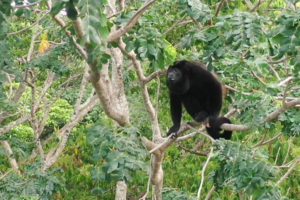
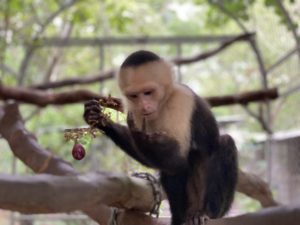
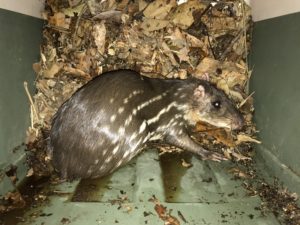
A sloth holds on to a branch, settles in among the leaves, and may stay there for quite a while. When a sloth is recovering, these everyday movements tell us something about its progress. At NATUWA, we look at how the sloth holds on, which branches it can reach, and whether it looks for food on its own. These are some of the signs that help us decide what care it needs. A sloth among the branches in the NATUWA garden. First steps in careThe gardensThe speciesRehabilitationRescue storiesVisits and support The first steps in care after rescue The sloths we receive come from different circumstances. Some have suffered burns from contact with power lines. For some animals, the injuries have been severe enough to prevent them from regaining the use of a limb or to cause the loss of the limb itself. Others arrive as orphans and still need the care they would normally receive from their mothers. We also care for animals that have been attacked by dogs. A veterinary assessment helps identify injuries and determine what care each animal needs. We also watch for signs of stress after rescue. Follow-up includes health checks, specialized care when needed, and monitoring of the sloth’s feeding, physical condition, and behavior. The team adjusts its care as the sloth regains strength and learns to manage more independently. How we created the sloth gardens We designed the gardens to provide a suitable home for rescued sloths. The gardens in Aranjuez and Monteverde each cover one hectare. Tall trees, branches at different heights, vegetation, water sources, shelters, and shaded areas allow the sloths to move, climb, look for food, and choose where to rest. We aim to recreate the parts of their habitat they need for these activities. In a space like this, each animal can move at its own pace and practice the movements typical of its species. The branches offer different routes, and the vegetation gives the sloths places to take shelter. These conditions also help our team observe each individual and adapt the space to its needs. The enclosure protects the sloths from risks such as dog attacks, especially for animals that have difficulty fending for themselves. Branches and leaves help sloths regain skills The garden contains trees and plants such as jocote, cacao, tropical almond, and guarumo. The vegetation provides shelter and shade, and some of the leaves are part of the sloths’ diet. By watching how a sloth holds on, which branches it can reach, and whether it can get to its food, we can follow its recovery and identify which skills it needs to practice. Our team prepares supplemental food according to each sloth’s condition, especially if it arrives malnourished or has difficulty finding food on its own. When returning to the forest is possible, preparation includes a gradual transition to the leaves the animal will find there. For sloths that remain in our care, diet, health checks, and enrichment are part of their routine. A trail through…