Hands-On Wildlife Veterinary Internship in Costa Rica


Wildlife Veterinary Internship Program

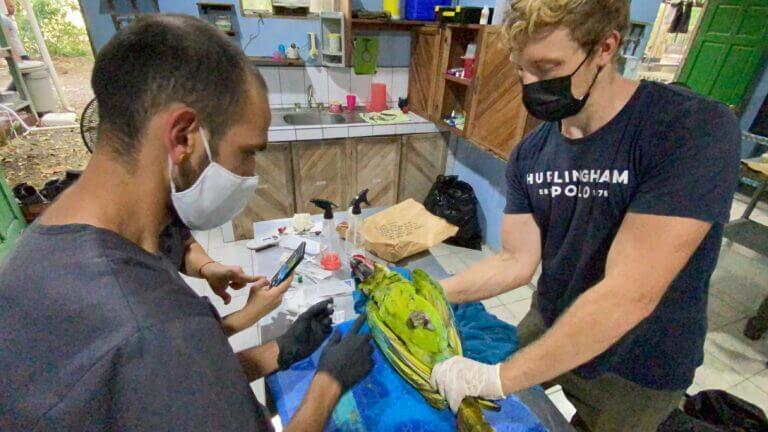
Natuwa’s wildlife veterinary internship in Costa Rica gives veterinary students the opportunity to gain hands-on experience alongside our veterinary team at our Wildlife Rescue Center and Sanctuary. Interns participate in the care of rescued wildlife and, according to the cases present during their stay, may assist with new admissions, clinical evaluations, treatments, emergencies, preventive medicine, rehabilitation and other veterinary procedures.

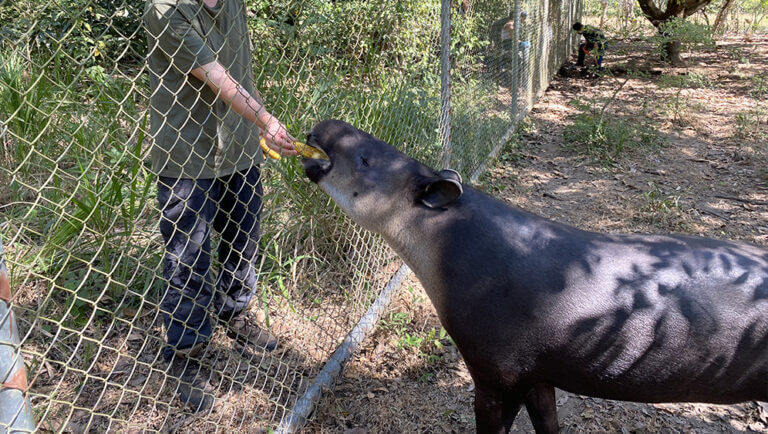
With approximately 600 animals under our care—including sloths, jaguars, tapirs, monkeys, macaws and many other species—veterinary work at Natuwa ranges from the long-term health and welfare of sanctuary animals to the care and rehabilitation of wildlife admitted to our Rescue Center. The program combines practical learning with a real purpose: helping wildlife while developing veterinary skills and experience that cannot be learned from a classroom alone.

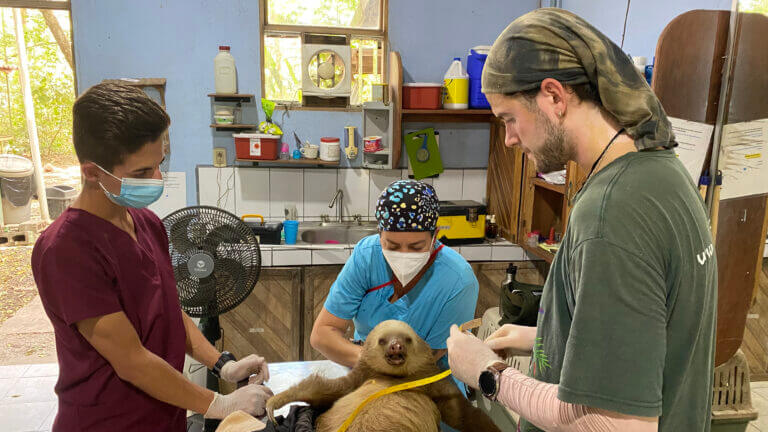
Cirugía de un perezoso
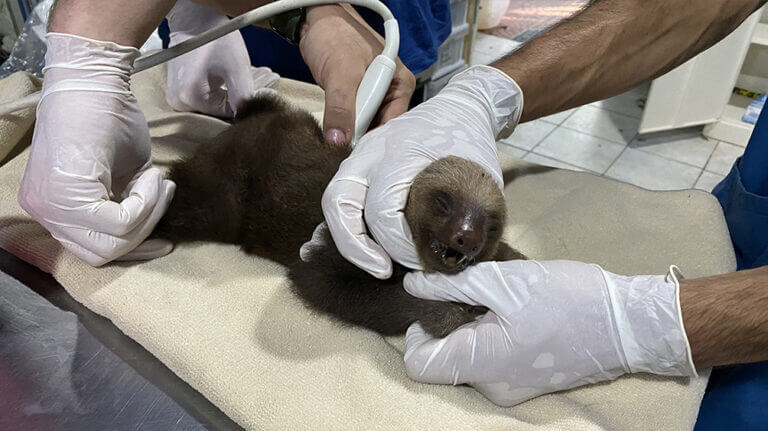
The sloths housed in the sanctuary receive veterinary care to ensure their optimal health.

Wildlife medicine at Natuwa is closely connected to conservation. By working with native Costa Rican wildlife, participants gain a deeper understanding of how veterinary care, animal welfare, rehabilitation and responsible management contribute to the protection of individual animals and, ultimately, to wildlife conservation.

The program is designed primarily for veterinary students and future veterinarians, but participants from related fields or with a strong interest in wildlife care and conservation may also be considered. Through real-world experience, Natuwa aims to encourage responsible, evidence-based approaches to wildlife medicine and inspire future professionals to become advocates for animal welfare and conservation.

Wildlife Veterinary Internship ActivitiesActivities

Activities in Natuwa’s wildlife veterinary internship are shaped by the real needs of the animals under our care. Depending on the cases present during each participant’s stay, the experience may involve wildlife rescue and rehabilitation, preventive medicine, clinical cases, emergency care, physical or chemical restraint, nutrition, biosecurity, environmental enrichment and operant conditioning.

Because Natuwa operates both a Wildlife Rescue Center and a Sanctuary, no two internship experiences are exactly the same. Animal welfare, the participant’s level of training and the veterinarian’s professional judgment determine when and how interns may observe, assist with or participate in each procedure.

Wildlife Rescue Center

A key part of Natuwa’s wildlife veterinary internship Costa Rica takes place at our Wildlife Rescue Center, where native wild animals are admitted after injuries, accidents, confiscations, orphaning, human-wildlife conflicts and other situations requiring professional care. 

Each admission represents a real case with its own medical, behavioral and rehabilitation needs. 

Under the supervision of our veterinary team, interns may follow wildlife patients through different stages of the rescue and rehabilitation process, including admission and initial assessment, clinical examination, sample collection, treatment, quarantine, medical record keeping, rehabilitation monitoring and, when appropriate, preparation for release back into the wild. The cases and activities available depend on the animals admitted during each participant’s stay.

Care of Orphaned and Young Wildlife

Caring for orphaned and dependent young wildlife is an important part of the work at Natuwa’s Wildlife Rescue Center. Depending on the animals admitted during their stay, interns may have opportunities to assist with the care, feeding, monitoring and development of young wildlife such as sloths, deer, opossums and other native species requiring temporary human assistance. 

For animals with the potential to return to the wild, care is provided with particular attention to minimizing unnecessary human contact and habituation while meeting their nutritional, medical and developmental needs. Young or dependent animals may require feeding and monitoring outside regular daytime hours, including evenings, nights or early mornings, giving interns an understanding of the responsibility and continuity of care involved in wildlife rehabilitation.

Emergencies and Availability

Wildlife emergencies are unpredictable and may occur at any time. Although the regular internship schedule is generally from 7:00 a.m. to 4:00 p.m., injured, electrocuted, orphaned or otherwise compromised wild animals may be admitted to Natuwa’s Wildlife Rescue Center outside regular program hours.

When these situations arise, interns may be invited to participate alongside the veterinary and rescue teams. Participation outside regular hours is based on the needs of the case and provides an opportunity to experience an important reality of wildlife medicine: animals do not arrive according to a schedule.

Learning Through Every Outcome

Interns may follow wildlife patients through different stages of care, from admission and stabilization to treatment, rehabilitation and, when possible, release back into the wild. Not every case has a successful outcome. Participants may also encounter animals whose condition requires humane euthanasia or cases in which post-mortem examination helps determine the cause of death.

Every outcome provides an opportunity to understand professional wildlife medicine. These experiences may involve clinical decision-making, animal welfare, medical documentation, rehabilitation and release criteria, end-of-life decisions, and the relationship between clinical findings, treatment and patient outcome.
Our focus is animal welfare

Environmental enrichment and Wildlife Welfare

Environmental enrichment is an important component of wildlife welfare at Natuwa. Interns may learn how enrichment strategies are designed according to each species’ biology, behavior and individual needs, with the goal of encouraging natural behaviors, providing appropriate physical and mental stimulation, and improving quality of life.

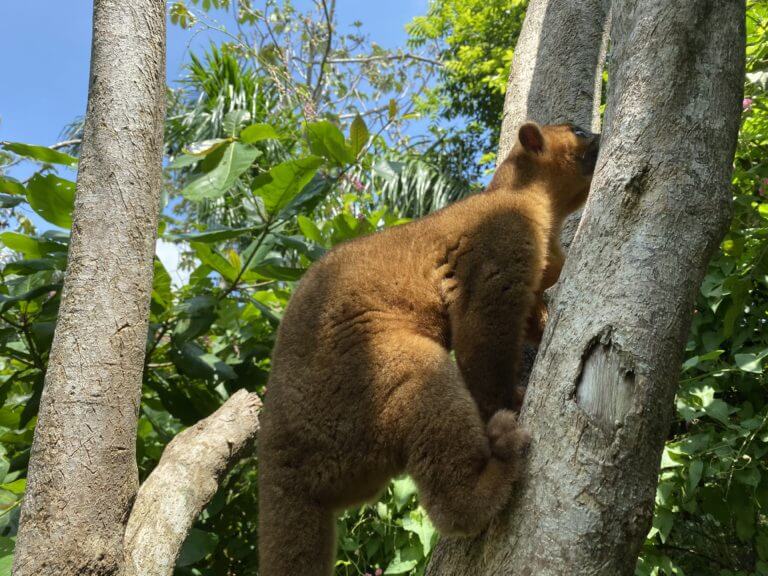
NATUWA Santuario de animales silvestres el Kinkajou
Wildlife Veterinary Internship in Costa Rica

Activities may include evaluating animal behavior, modifying enclosure features, feeding methods or environmental complexity, and developing species-appropriate enrichment. Participants can observe how animals respond to these changes and learn how behavioral observations contribute to welfare assessment and the ongoing management of wildlife under human care.

Operant Conditioning for Wildlife Care

Operant conditioning can be an important tool in wildlife care, allowing animals to voluntarily participate in aspects of their management and veterinary care. When appropriate for the individual animal, training can help reduce stress associated with routine procedures while supporting physical activity, mental stimulation and animal welfare.

Interns may learn the basic principles of operant conditioning and observe how training can support procedures such as visual examinations, weighing, positioning, movement between areas or other forms of cooperative care. Depending on the animals and training programs active during their stay, participants may also assist with documenting behavioral responses and progress under professional supervision.

Wildlife Veterinary Internship in Costa Rica

Preventive Medicine in Wildlife

Preventive medicine is a fundamental part of maintaining the health and welfare of wildlife under professional care. At Natuwa, interns may learn how preventive health programs are adapted to different species and individuals through routine health assessments, quarantine protocols, parasite control, diagnostic testing and clinical monitoring.

Depending on the cases and procedures scheduled during their stay, participants may observe or assist with physical examinations, sample collection, blood sampling, skin scrapings, fecal examinations, administration of medications and other diagnostic or preventive procedures under veterinary supervision. Interns can also learn how clinical findings and laboratory results contribute to decisions about treatment and ongoing health management.

Participation is always determined by the needs and welfare of the animal, the intern’s level of training and experience, and the veterinarian’s professional judgment.

Wildlife Nutrition, Food Safety and Biosecurity

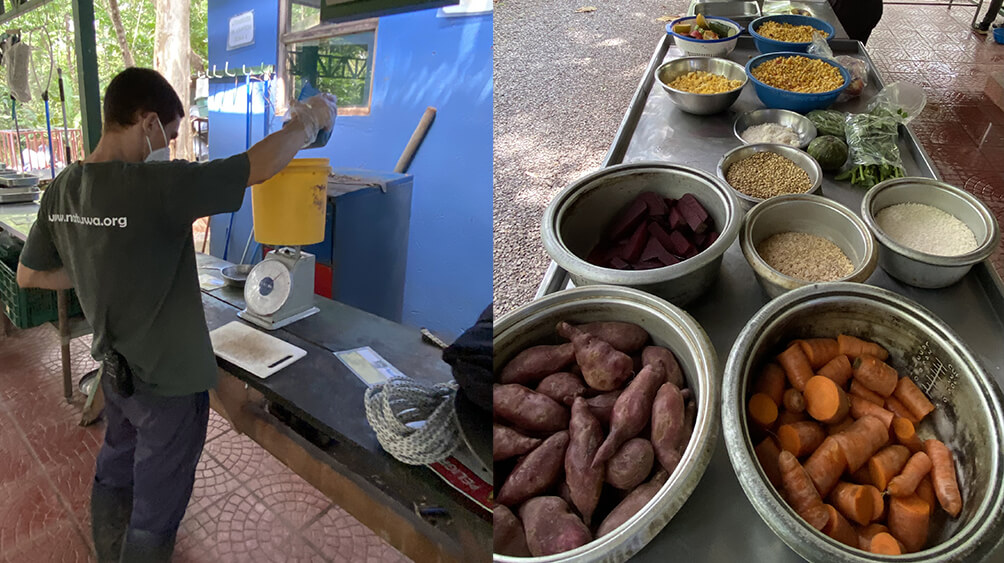
Nutrition is an essential component of wildlife health and preventive medicine. Interns may learn how diets are prepared and managed for different species according to their nutritional requirements, life stage, health status and individual needs.

Participants may assist with food preparation, storage, handling and distribution while learning the hygiene and biosecurity practices used to reduce cross-contamination and foodborne risks. This includes maintaining clean preparation areas, appropriate handling of ingredients and understanding how food safety can directly affect animal health.

Interns may also learn how diets are documented, evaluated and adjusted in coordination with the veterinary and animal care teams, helping them understand the relationship between nutrition, clinical condition, preventive health and animal welfare.

Emergency Wildlife Medicine

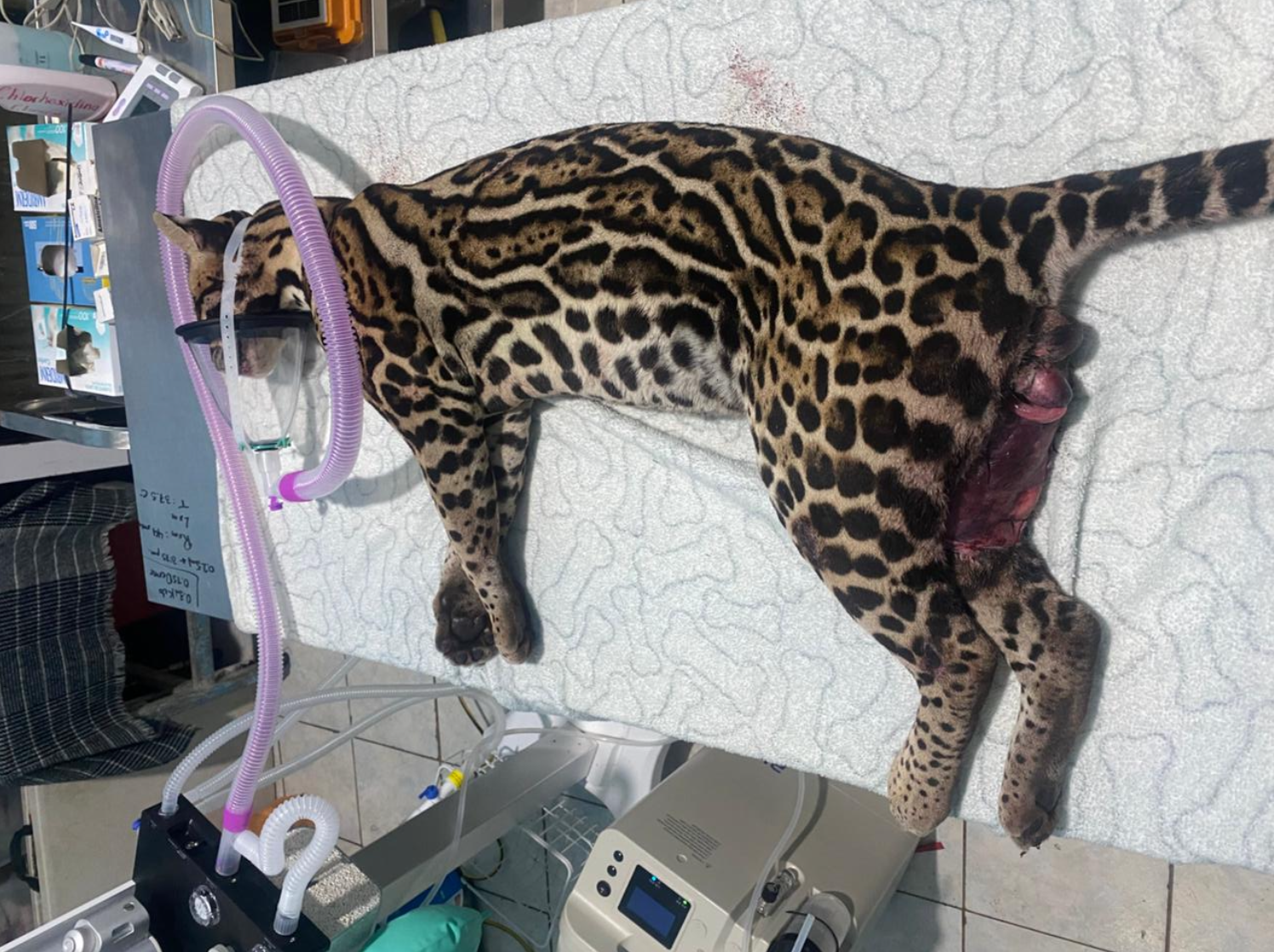
Emergency wildlife medicine requires rapid assessment, stabilization and clinical decision-making while minimizing additional stress to an already compromised animal. When emergency cases are admitted to Natuwa’s Wildlife Rescue Center, interns may have the opportunity to observe or assist the veterinary team during the initial evaluation and stabilization of the patient.

Depending on the case and the participant’s level of training, activities may include preparing materials and equipment, monitoring vital signs, assisting with safe patient handling, sample collection, fluid therapy, wound care, diagnostic procedures, treatment and clinical documentation under veterinary supervision.

These cases allow interns to experience how veterinary decisions are made under real-world conditions, where patient welfare, clinical priorities, teamwork and timely response are essential. The level of participation always depends on the nature of the emergency and the veterinarian’s professional judgment.

Wildlife Veterinary Clinical Cases

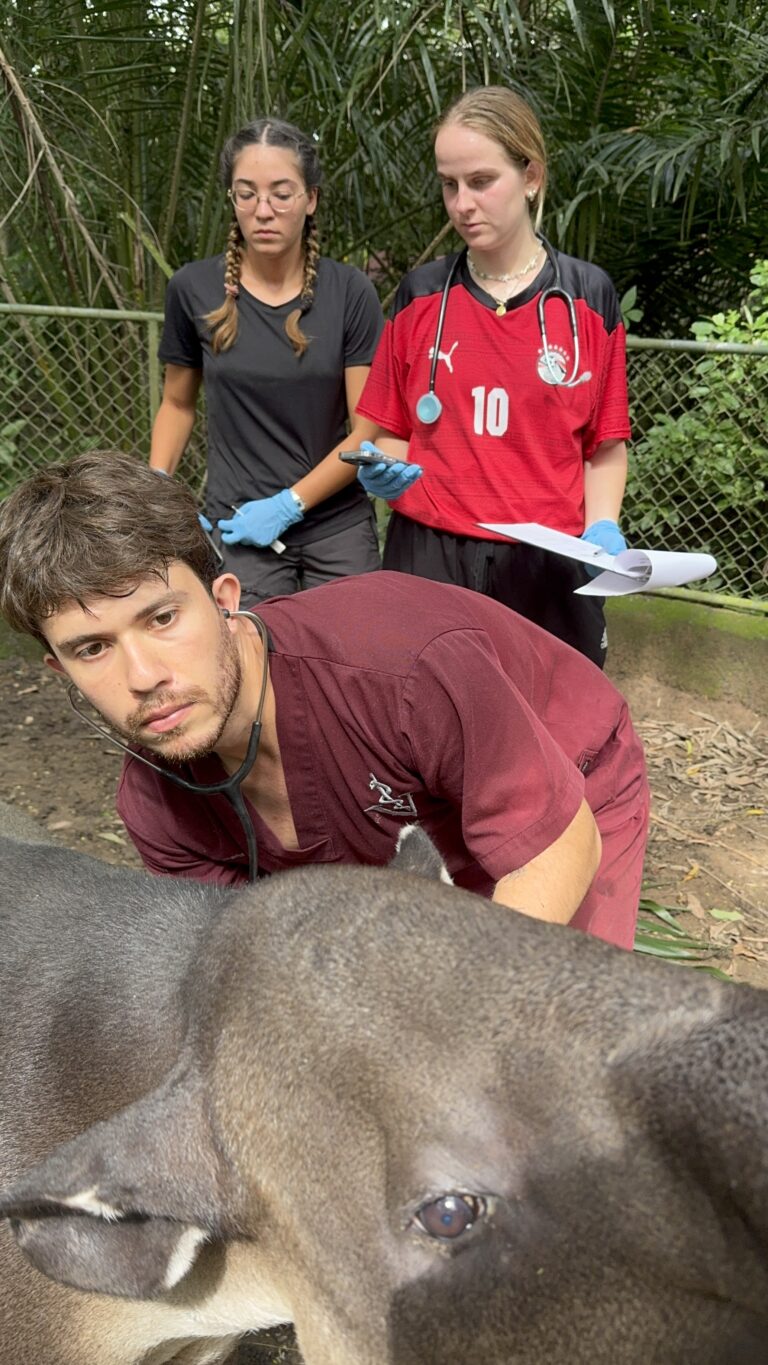
Clinical cases are at the heart of of Natuwa’s wildlife veterinary internship in Costa Rica. When a wildlife patient requires veterinary attention, interns may have the opportunity to follow the case alongside our veterinary team from initial assessment and diagnostic workup through treatment, monitoring and follow-up.

Depending on the case, participants may observe or assist with physical examinations, sample collection, diagnostic testing, interpretation of clinical findings, treatment planning, medication administration, wound management and other procedures considered appropriate by the veterinarian. Cases may be discussed with veterinarians and other members of Natuwa’s team, allowing interns to understand the reasoning behind clinical decisions.

Interns may also participate in maintaining veterinary medical records, including clinical findings, diagnostic results, differential diagnoses, treatments, procedures and patient progress. Following real cases over time helps connect examination findings, diagnostics, treatment decisions and outcomes—an essential part of developing clinical reasoning in wildlife medicine.

Veterinary intern observing a clinical examination of a rescued anteater at Natuwa

Chemical and Physical Restraint in Wildlife

Safe restraint is an essential component of wildlife medicine. Depending on the species, individual animal, clinical condition and purpose of the procedure, physical or chemical restraint may be required to allow examination, diagnostics, treatment, transport or other necessary veterinary interventions while minimizing stress and risk of injury.

At Natuwa, restraint decisions are made by the veterinary team according to animal welfare, safety and clinical or management needs. Interns may learn how different restraint strategies are selected and, depending on their training and the procedure involved, may observe, prepare for or assist with restraint under professional supervision.

Chemical Restraint

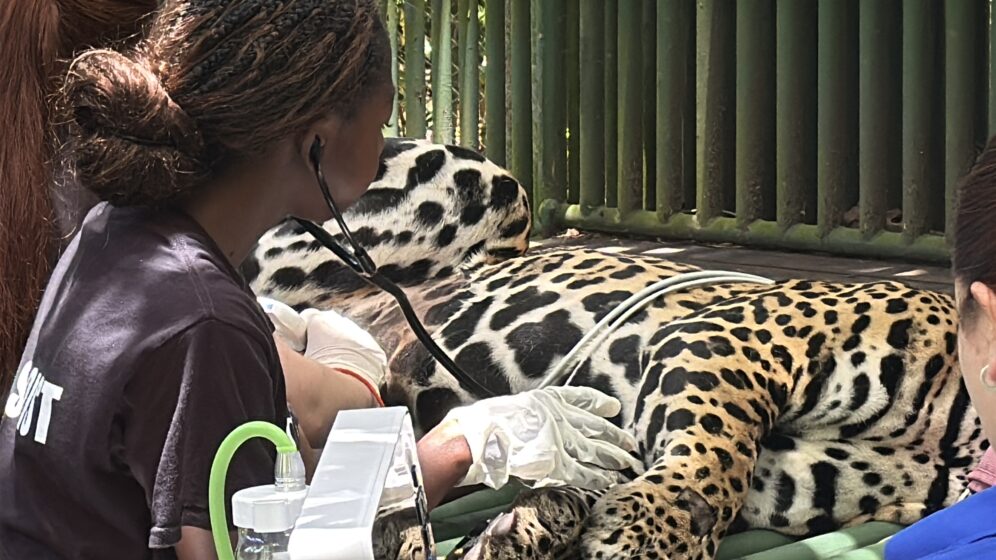
Interns may be introduced to the principles of chemical restraint and anesthesia in wildlife, including patient assessment, drug selection, dosage considerations, routes of administration, anesthetic monitoring, recovery and the equipment used for remote drug delivery when appropriate.


Depending on the case and their level of training, participants may observe or assist with preparation, monitoring and other stages of chemical immobilization under direct veterinary supervision. These procedures are performed only when clinically or operationally justified for the animal.

Physical Restraint

Physical restraint requires an understanding of species behavior, anatomy, body size, physical condition and the purpose of the procedure. Interns may learn about appropriate handling techniques and equipment such as nets, transport or restraint crates, handling sleeves and other species-specific tools.

Particular emphasis is placed on minimizing stress and preventing injury to both the animal and the people involved. Depending on the species, procedure and participant’s experience, interns may observe or assist with physical restraint under professional supervision.

Veterinary internships with wildlife in Costa Rica

Wildlife Post-Mortem Examination and Necropsy

Post-mortem examination is an important component of wildlife medicine. When an animal dies at Natuwa and a necropsy is considered appropriate, the veterinary team may perform a systematic examination to investigate the cause of death and obtain information relevant to the health and management of other animals under our care.

Under veterinary supervision, interns may have the opportunity to observe or assist with necropsies, review the animal’s clinical history, examine organs and tissues, document gross findings, collect samples for additional diagnostic testing and understand how post-mortem findings are recorded and interpreted.

Necropsy findings can help identify disease processes, infectious or zoonotic risks, evaluate previous clinical findings and treatments, and connect pathology with the final outcome of a wildlife patient. For interns, these cases provide an opportunity to understand the complete clinical picture—from history and diagnosis to treatment, pathology and outcome.

Veterinary Facilities and Real-World Training

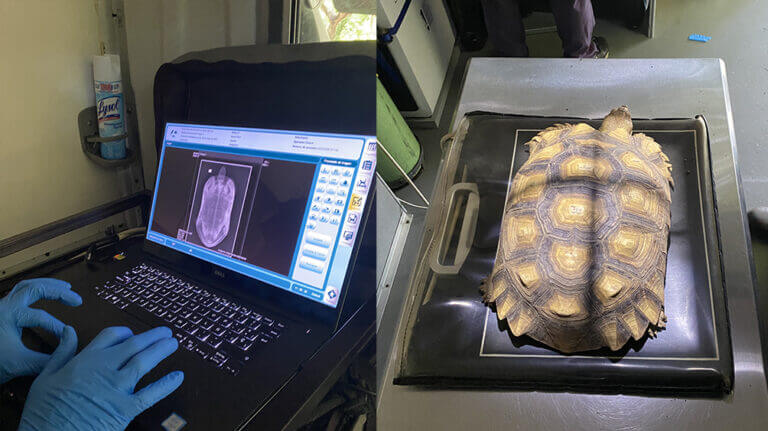
Natuwa’s wildlife veterinary internship combines dedicated clinical facilities with real-world training to support preventive medicine, diagnostics, treatment, emergency care and rehabilitation of wildlife under our care. Interns work alongside the veterinary and animal care teams in a real clinical environment, where equipment and facilities are used according to the needs of each patient and the cases that arise.

Wildlife medicine, however, extends far beyond the clinic. Throughout the Sanctuary and Wildlife Rescue Center, interns may encounter veterinary work involving animal handling, quarantine, nutrition, preventive health, rehabilitation, medical record keeping, emergency response and preparation for release when appropriate.

This combination of clinical facilities and real-world wildlife care allows participants to understand how veterinary medicine is integrated into the complete management of rescued and sanctuary wildlife. Animal welfare and professional veterinary judgment remain the foundation of every procedure.

Veterinary internship schedule

The regular wildlife veterinary internship schedule runs Monday through Saturday, generally from 7:00 a.m. to 4:00 p.m. Interns work alongside Natuwa’s veterinary and animal care teams, with daily activities determined by the needs of the animals, ongoing clinical cases and scheduled veterinary procedures.

Monday to Saturday

  • 7:00 a.m. – Start of veterinary activities

  • 8:00 a.m. – Breakfast break

  • 8:30 a.m. to 12:00 p.m. – Veterinary and animal care activities

  • 12:00 p.m. to 1:00 p.m. – Lunch

  • 1:00 p.m. to 4:00 p.m. – Afternoon veterinary activities

Sunday — Regular day off

Sunday is normally the intern’s scheduled day off. However, wildlife emergencies, critical patients or dependent young animals may occasionally require care outside the regular schedule. When appropriate, interns may be invited to participate in these situations.

Wildlife Veterinary Internship in Costa Rica Rates

Wildlife Veterinary Internship in Costa Rica at Natuwa

Hands-on wildlife medicine in Costa Rica
$ 95 / night
  • What is included?
  • Accommodation
  • Three meals per day
  • Wi-Fi
  • Veterinary supervision and training
  • Program materials and equipment
  • Certificate of participation

Questions About the Veterinary Internship?

Have questions about dates, eligibility, length of stay or the program? Send us a message and our team will be happy to help.

Rodolfo