236
Recorded admissions
74
Cases with a recorded release
59
Animals in care
—
Animals released
Digital records
NATUWA
Aranjuez · Puntarenas · Costa Rica
Rescue · Rehabilitation · Conservation

NATUWA Wildlife Rescue Center

Every rescue begins with a decision. Every decision can change a life.

We care for wildlife from across Costa Rica. With SINAC and a network of institutions and communities, we work to help each animal regain the ability to live in the wild whenever possible.
Our purpose

What does a wildlife rescue center do?

A licensed rescue center takes in, treats, and rehabilitates wildlife. The goal is to help each animal regain the skills it needs to live independently in its ecosystem.

Why animals come to us

Road collisions, electrocution, attacks by dogs, fires, habitat loss, illegal wildlife trafficking, and being kept as pets can threaten an animal’s survival. We also receive animals seized by the authorities or surrendered voluntarily.

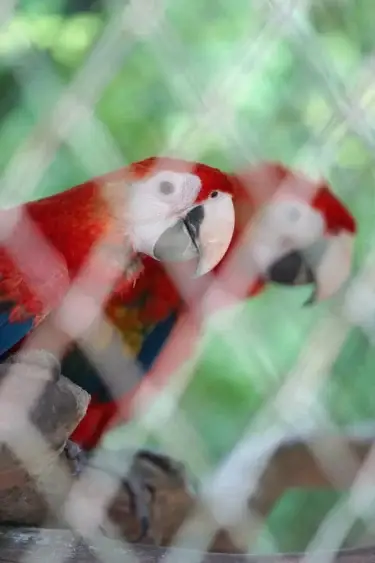
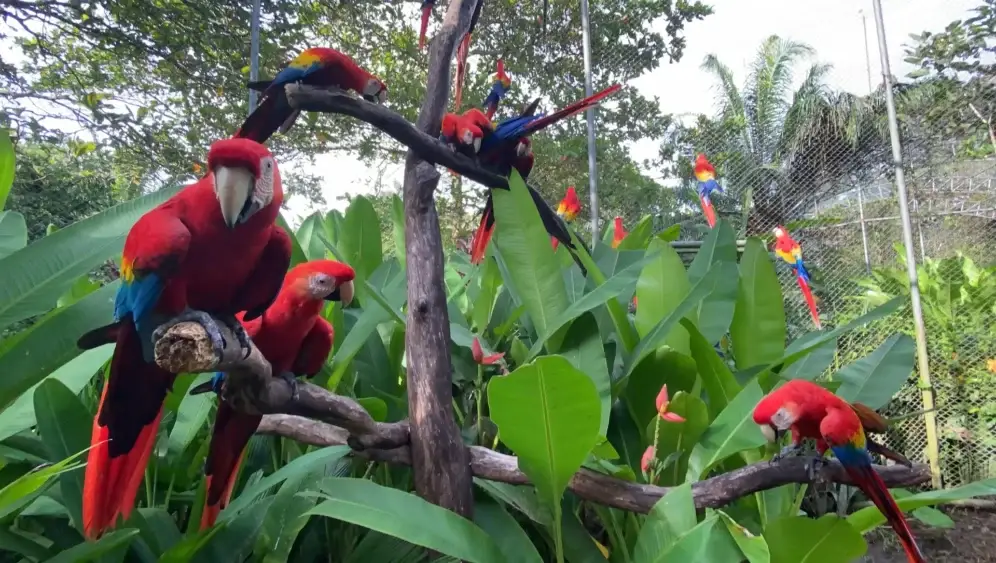
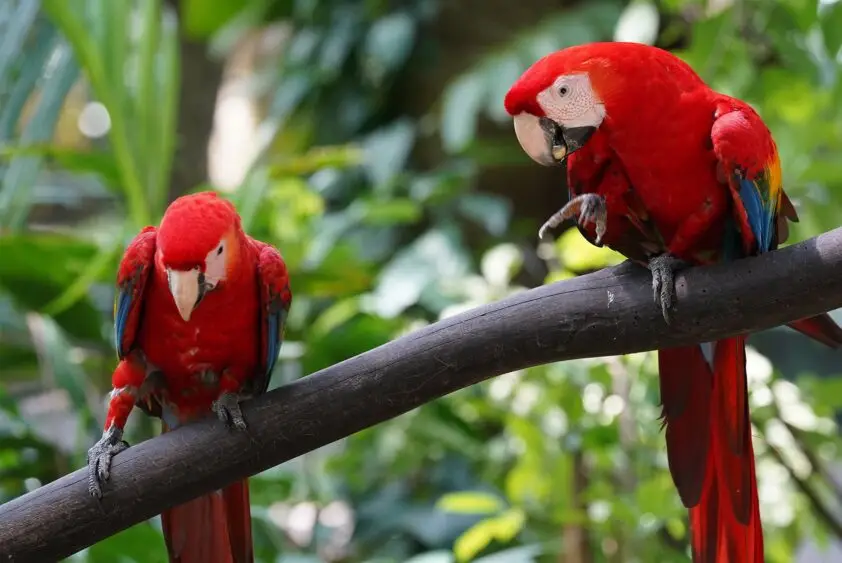
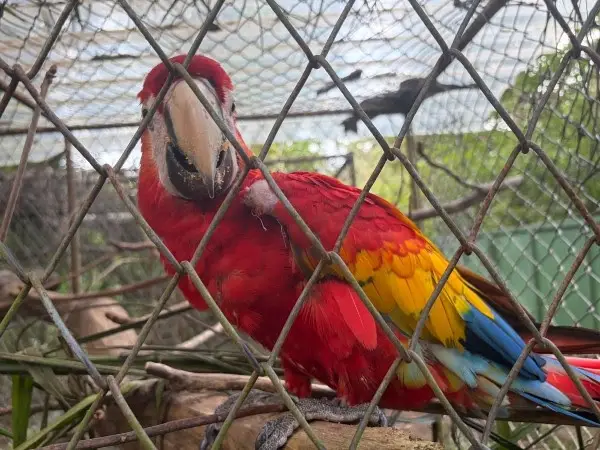
Scarlet macaws behind wire mesh.

A plan for each patient

The team assesses each animal’s health, nutrition, and behavior. The species, circumstances of admission, and response to treatment determine what it needs and how long recovery may take.

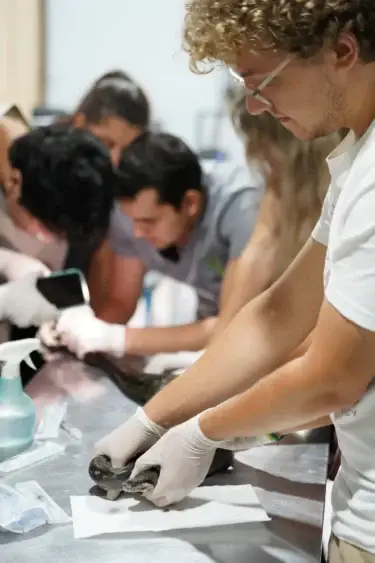
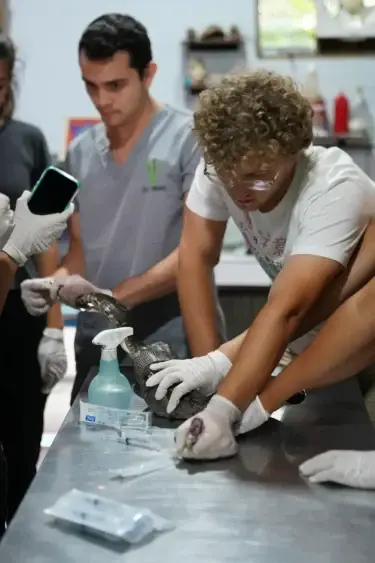
A snake receiving veterinary care at the Rescue Center.

When permanent injuries or dependence on people prevent release, the Sanctuary provides lifelong care in an environment suited to the species.

The rescue process

It all starts with a call

A rescue center takes in, treats, and rehabilitates wildlife. At NATUWA, each animal has a case record, a recovery plan, and an assessment. Decisions and timelines depend on the species, health, and behavior of the animal.

Emergencies and planned admissions

Once a transfer is confirmed, the team selects an intake area, prepares biosecurity measures, and assigns the staff who will care for the patient. Depending on the species and the case, recovery can take days, months, or years.

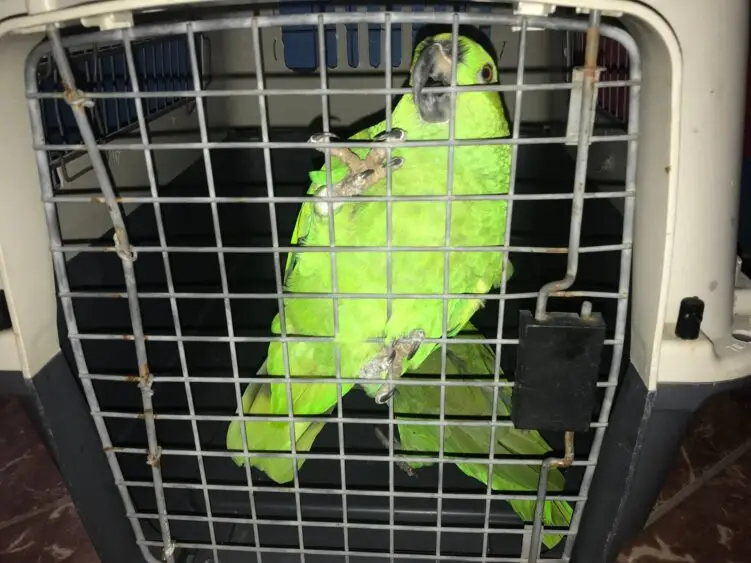
A green parrot in a carrier, from NATUWA’s admission records.

Care begins before the transfer

During the call, the team can guide the person temporarily looking after the animal. Advice depends on the case and may include avoiding unnecessary feeding or handling to reduce stress and limit habituation to people.

What to do if you find a wild animal

The call may come from SINAC, the fire service, the police, another rescue center, or a member of the community. If a seizure is scheduled, the team can plan the transfer, prepare quarantine space, and assemble staff. In an emergency, the priority is to relieve suffering and provide care as soon as possible.

The team records the location and circumstances of the rescue, the animal’s condition on arrival, and any available documents. When SINAC brings the animal in, its documents are added to NATUWA’s digital case record.

Before the examination, the team observes the animal’s posture, mobility, alertness, and behavior. It then assesses injuries, body condition, and nutritional status to decide whether the animal needs tests, treatment, or immediate stabilization.

The patient is admitted to a protected area. Clinical assessment and diagnostic tests inform the measures used to limit disease transmission and protect the other animals.

Depending on the diagnosis, the animal may need observation, hospitalization, specific treatment, or surgery. The case record tracks procedures, findings, and changes throughout recovery.

Specialized diets, physical conditioning, and environmental enrichment help animals regain independence. The team adjusts enclosures as each animal becomes more self-sufficient.

Ethograms let the team systematically record how the animal finds food, uses its space, interacts with its own species, and responds to its environment and to people.

Veterinary, biology, and wildlife care specialists assess physical condition and behavior together. Their findings help determine whether the animal can survive independently of people.

The team moves toward release when evidence shows that the animal can survive in its habitat. If release would compromise its welfare, the team considers lifelong care at the Sanctuary.

Only authorized staff may enter the Rescue Center’s treatment and rehabilitation areas.
Veterinary care

The first assessment can save a life

The examination begins before anyone touches the animal. Its posture, movement, and alertness give the team clues about the care it needs.

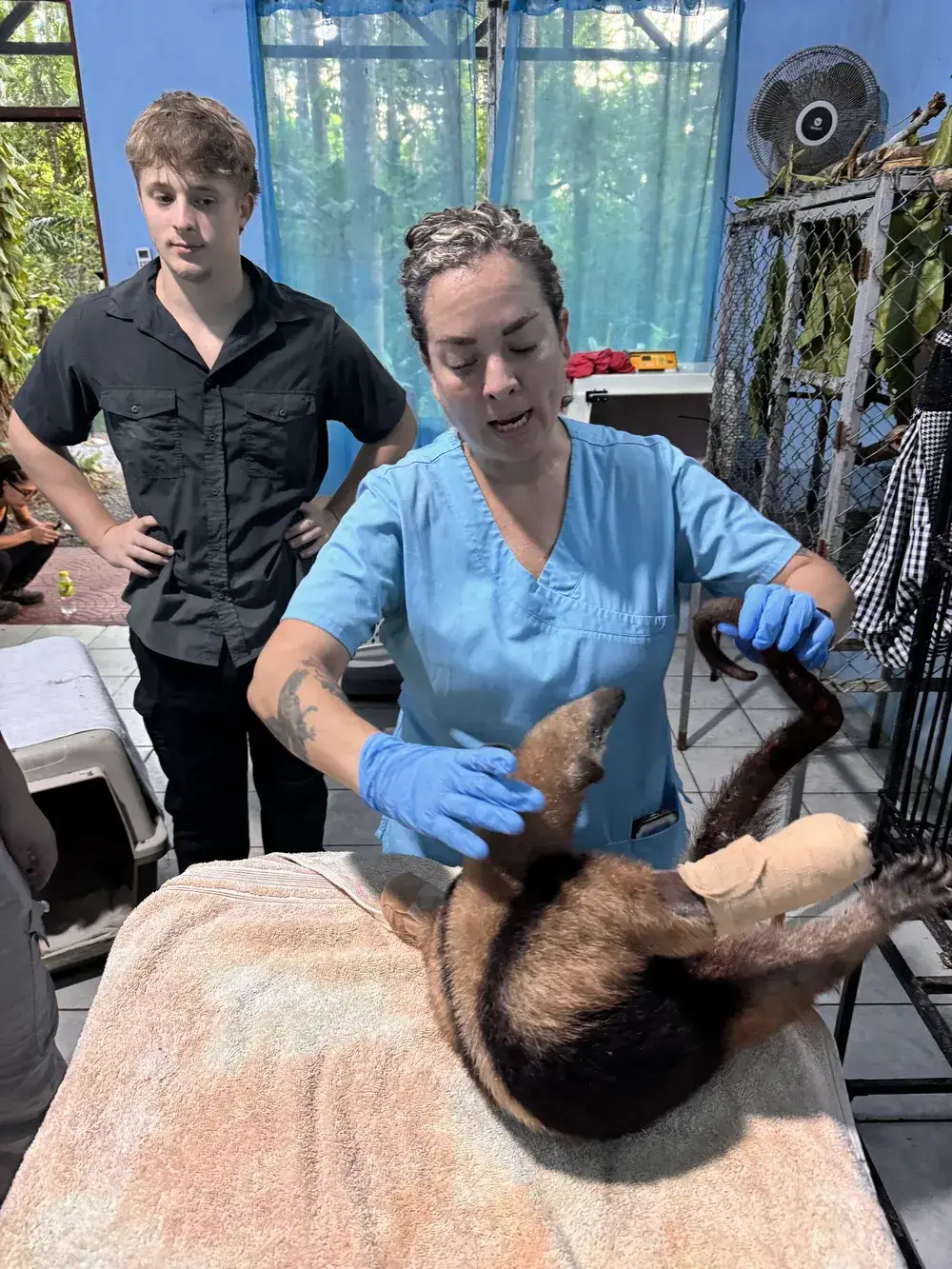
NATUWA’s team cares for an anteater at the Rescue Center.

What the team looks for

Along with wounds and fractures, the team checks body and muscle condition, skin, feathers or fur, possible parasites, signs of infection, and changes in neurological function or behavior.

Depending on the species and its stress level, the team may use chemical restraint to examine the animal safely. The findings help determine whether additional tests, hospitalization, surgery, or an observation period are needed.

The digital case record tracks every examination, procedure, treatment, and decision. Initial quarantine protects the patient and the other animals in care while the assessment is underway.

Veterinary care for a snake.

When an animal’s injuries make a life free of pain impossible and its suffering cannot be relieved, the team may consider humane euthanasia based on medical, biological, and ethical criteria.

Recovery as a whole

Rehabilitation helps animals regain skills

Once the patient is stable, the work of restoring its independence begins. The Center combines veterinary care, nutrition, physical conditioning, and behavioral observation.

Scarlet macaws in NATUWA’s rehabilitation enclosure.

A diet that prepares animals for the forest

Diet changes with the species, age, and stage of treatment. Birds learn to recognize seeds and fruit from their ecosystem. Sloths gradually transition to the leaves they will find in the forest. Tamanduas practice searching for insects in logs and termite nests.

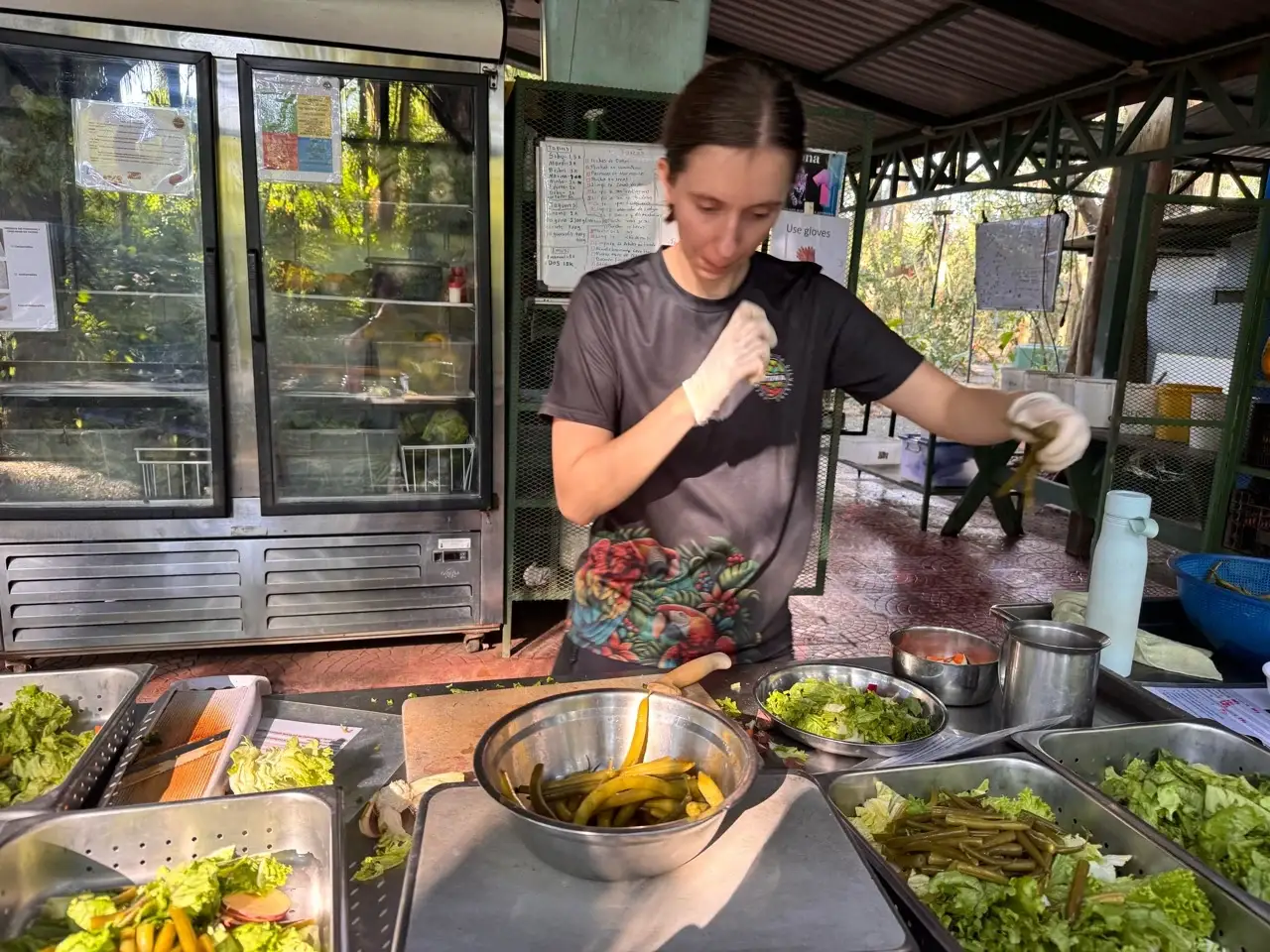
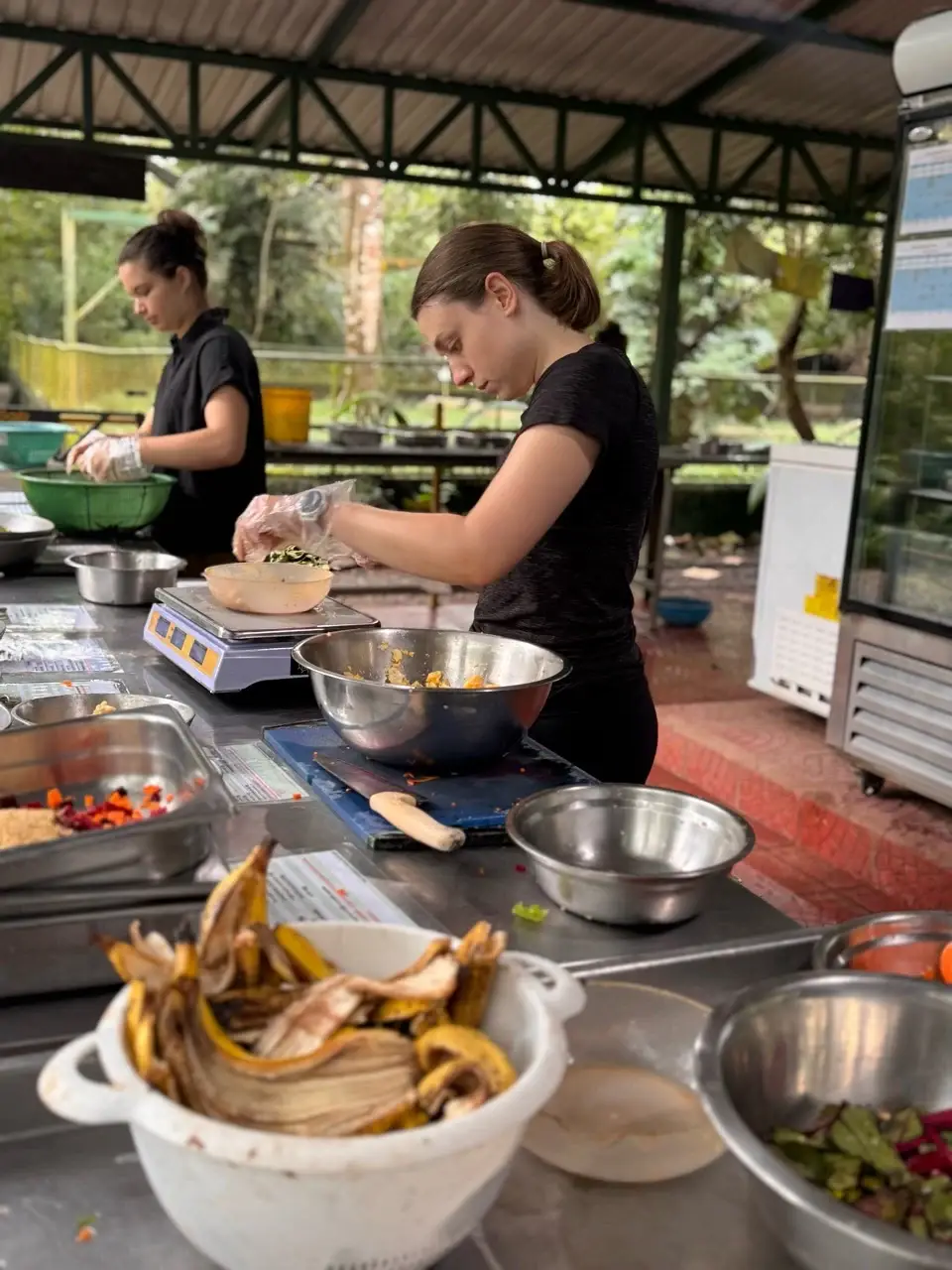
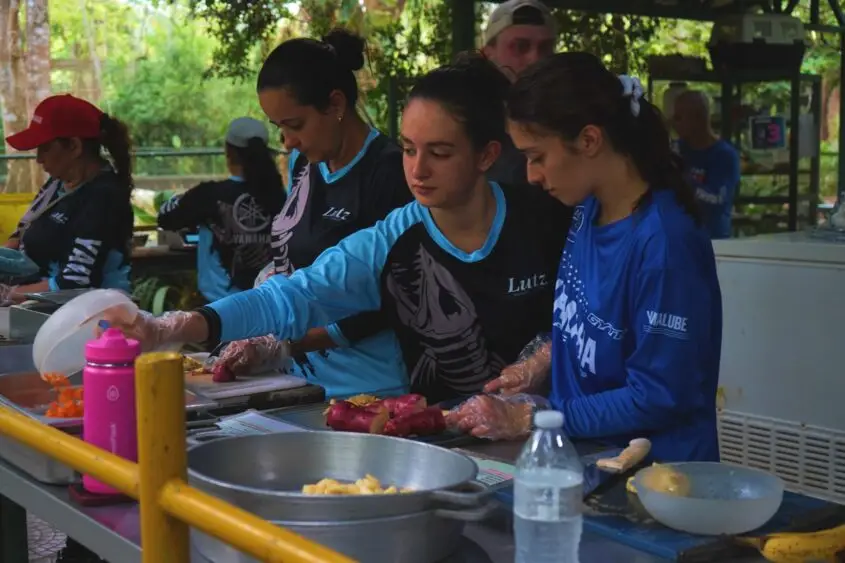
Preparing food for the animals at NATUWA.
Weighing portions for the animals’ diets.

Limited human contact

Staff handle animals as needed for daily care and medical treatment. Limiting exposure to people helps preserve natural behavior and reduces the risk of imprinting, an attachment that can keep an animal from surviving in the wild.

Spaces that support recovery

Newborns and critically ill patients start in protected environments. As they regain mobility and independence, they move to enclosures where they can explore, climb, fly, or look for food on their own.

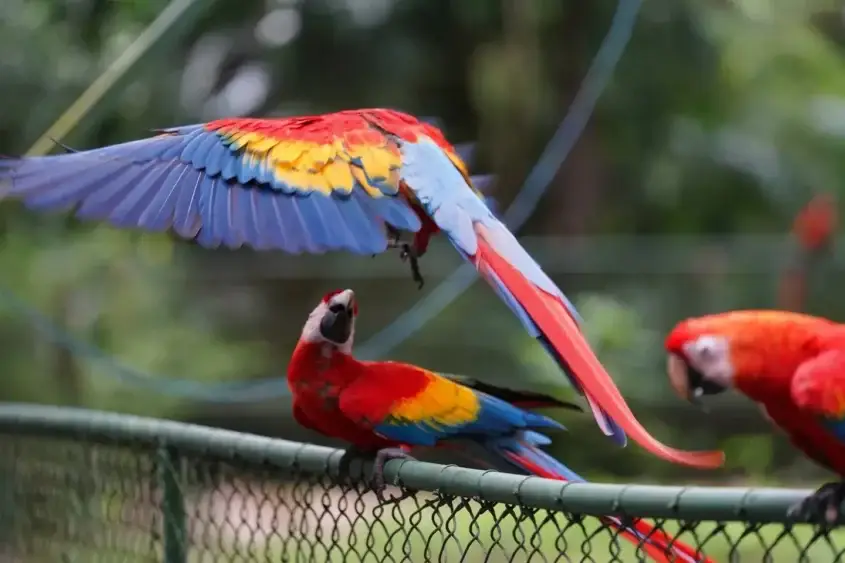
A scarlet macaw takes flight alongside other macaws.

Practice suited to each species

At NATUWA, we design spaces around each species’ needs. Branches and vegetation in the Sloth Garden let sloths grip, climb, and move at their own pace. This naturalistic setting supports rehabilitation by giving them opportunities to practice their characteristic movements.

Birds have space to fly and build strength and coordination. Primates practice moving between branches and looking for food. The enclosures for wild cats let them climb, stalk, and explore complex surroundings. Each space supports the animals’ welfare and recovery.

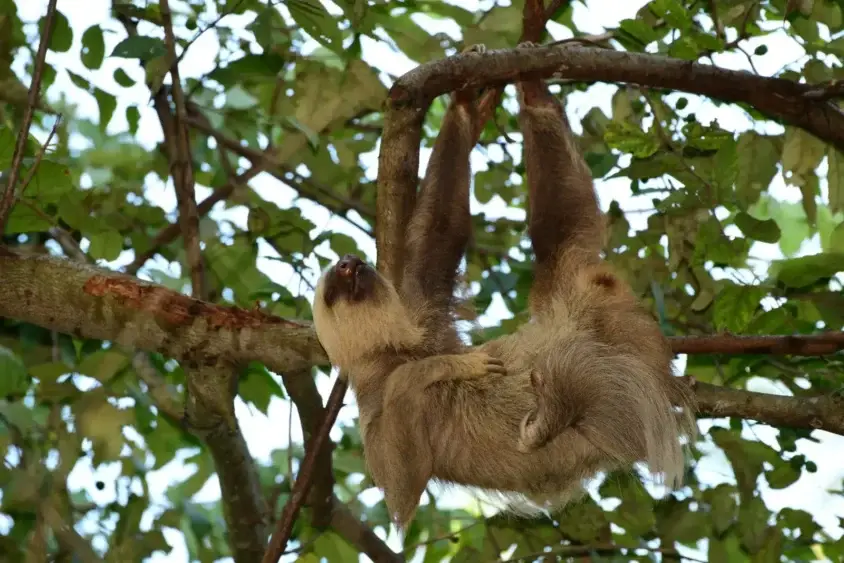
A sloth holds on to a branch in NATUWA’s Sloth Garden.
A decision for each animal

Is the animal ready to return to the forest?

An injury may have healed while the animal still needs rehabilitation. Veterinarians, biologists, and wildlife specialists assess the animal’s physical condition and ability to manage in the wild before making a decision.

An ethogram is a systematic record of behavior. The team observes whether the animal recognizes and obtains food, how it uses its space, how it responds to natural stimuli, and how it interacts with other animals and people.

Changes in posture, movement, sounds, and behavior provide clues. The team compares them with systematic observations, body and muscle condition, veterinary findings, and the patient’s history. Veterinary, biology, and wildlife care specialists review the evidence together.

Finding food independently

The team observes whether the animal can locate, recognize, and obtain the food it would find in its ecosystem without relying on people.

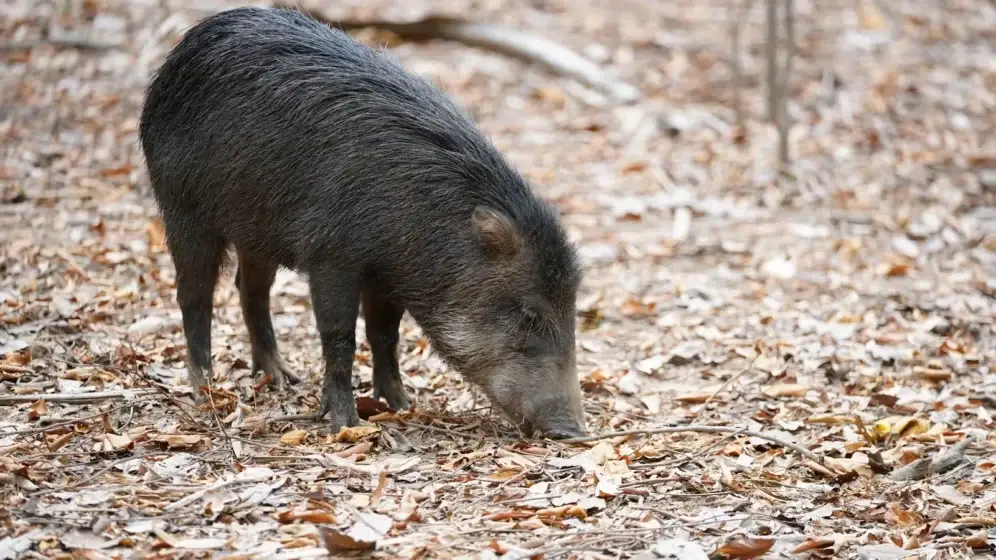
A peccary explores the leaf litter.

Moving and responding to the environment

Flying, climbing, or moving as the species normally does requires coordination and endurance. The team also watches how the animal responds to other individuals and to stimuli in its surroundings.

Path A

Returning to the wild

Ethograms show how the animal finds food, moves, responds to natural stimuli, interacts with its own species, and reacts to people. When these observations and the clinical assessment support the animal’s independence, the team can move toward release.

Scarlet macaws foraging in the wild.
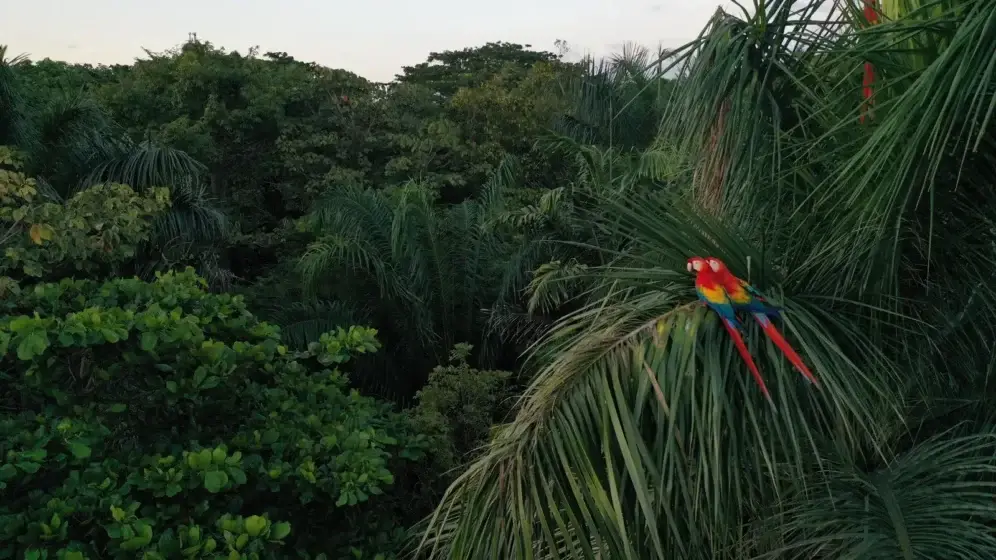
Two scarlet macaws on a palm.
Path B

Lifelong care at the Sanctuary

An irreversible injury, dependence on people, or a lifetime in captivity can compromise the animal’s chances of survival. When appropriate, the Sanctuary provides a home with vegetation, shelter, and enrichment suited to the species.

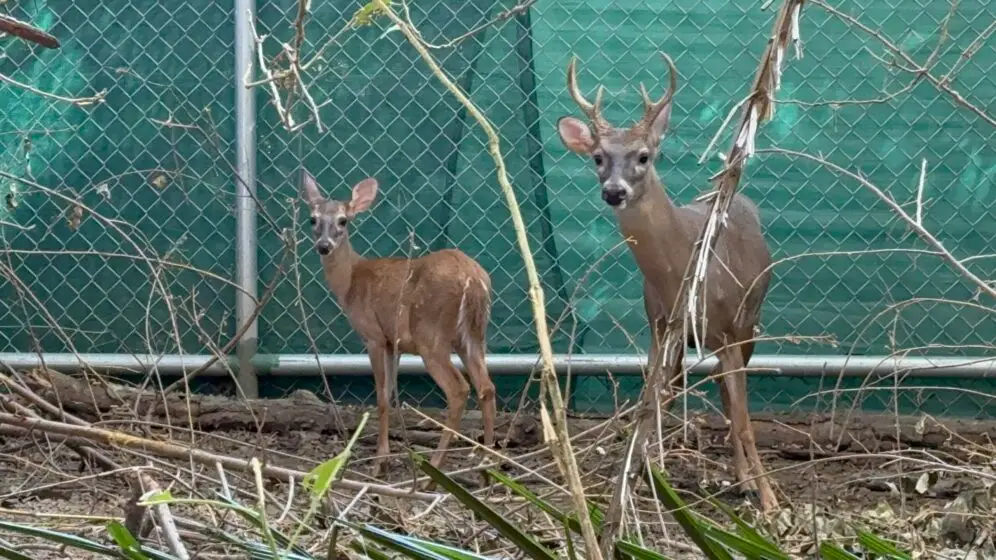
Deer in an enclosure at NATUWA Sanctuary.

A bird with a permanent injury may lose the ability to hunt. An animal kept as a pet for years may depend on people even if it is physically healthy. The team weighs the animal’s welfare and realistic chances of survival in both situations before making a decision.

Rehabilitation and facilities

Spaces to practice life in the wild

Patients move from protected spaces to larger, more complex enclosures as they gain independence. Branches, varied heights, shelters, vegetation, and water features help each species practice the skills it needs to recover.

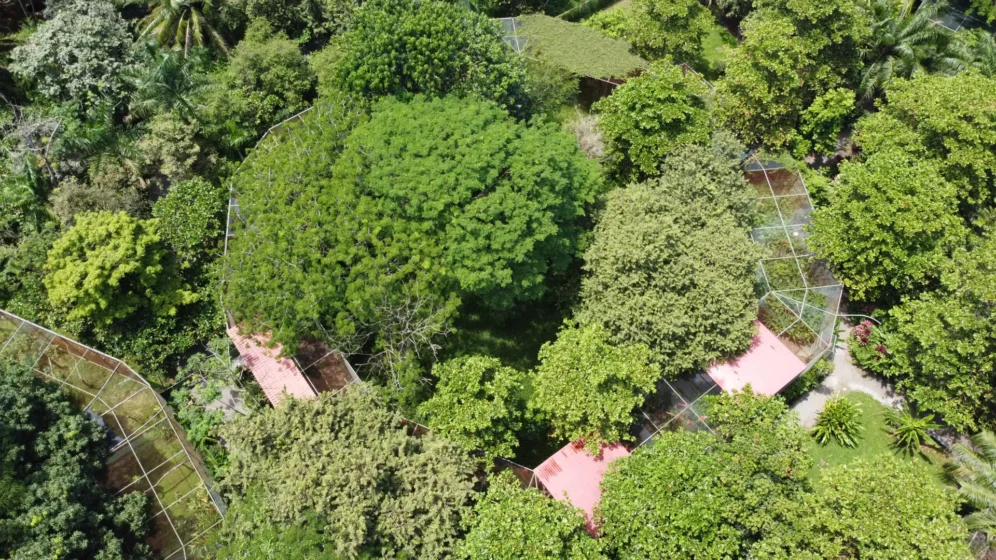
Aerial view of NATUWA’s circular flight enclosure.
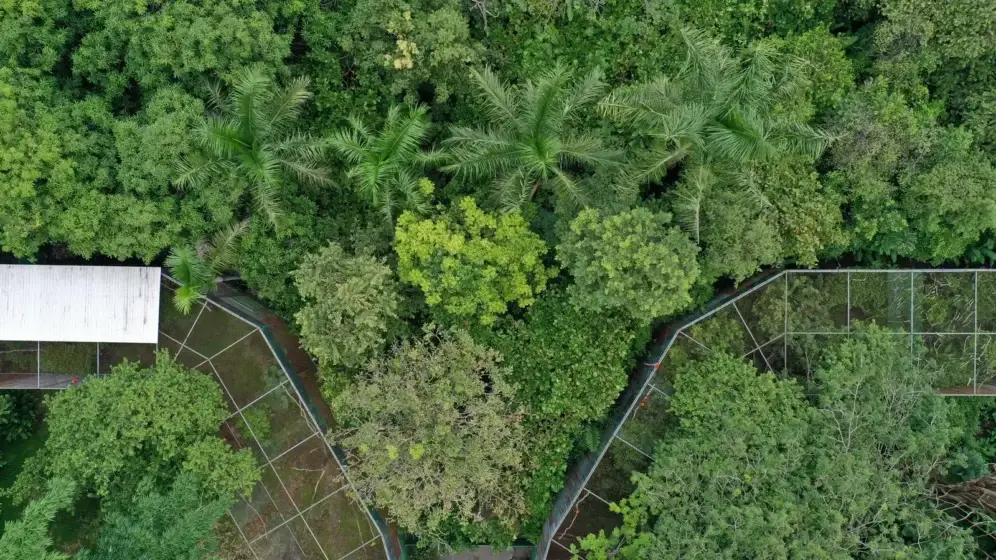
Sections of the enclosures seen from above.
≈200 m

in circumference · Circular flight enclosure

Designed by NATUWA

Continuous flight builds the endurance to fly farther

The circular enclosure lets macaws and other birds fly without interruption to build the muscle strength, endurance, and coordination they will need in the wild.

Birds Learn to recognize seeds and fruit from the ecosystem where they will be released.

Sloths Gradually transition to the leaves they will find in the forest.

Tamanduas Explore logs and termite nests to practice searching for food.

Primates Practice moving between branches and finding food.

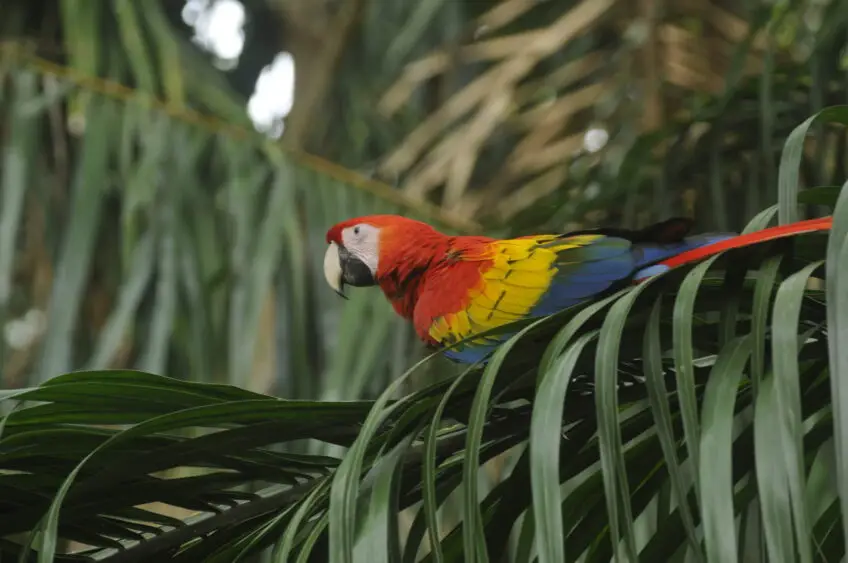
Scarlet macaw among palm leaves. From NATUWA’s photo archive.
Natural vegetation, varied heights, platforms, shelters, and water are chosen to support the skills each species needs to regain. Enclosure size is part of the design. Each decision starts with the behavior the animal will be able to practice.
Working across disciplines

Rescue takes a team

The technical management team coordinates each case. Veterinarians, biologists, nutrition specialists, and daily care staff bring different perspectives to deciding what each patient needs.

Technical management

Coordinates care priorities and draws on the expertise of the different teams to decide what each patient needs.

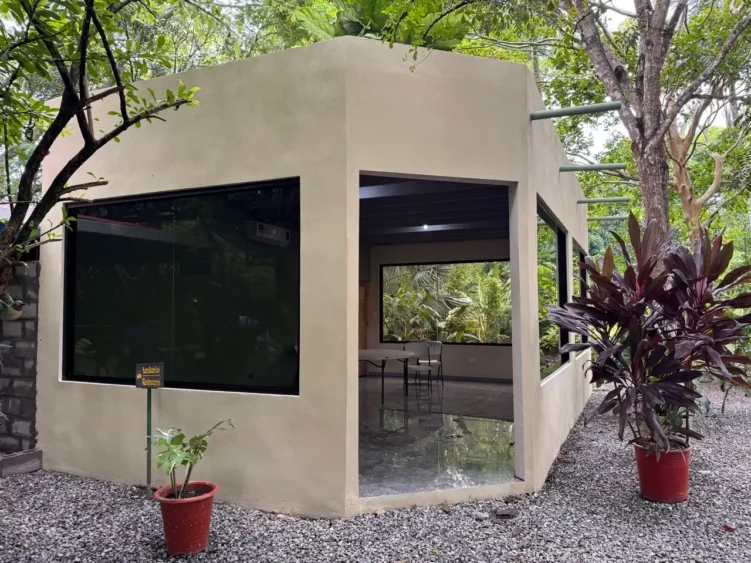
NATUWA’s technical management office.

Veterinary medicine

Leads diagnosis, clinical and surgical procedures, and follow-up throughout recovery.

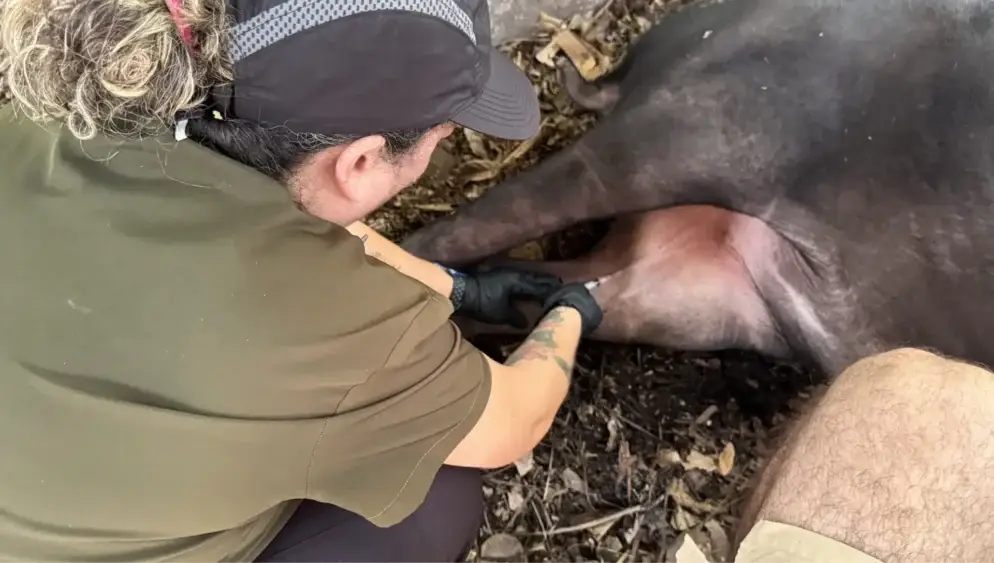
A tapir receives a veterinary checkup at NATUWA.

Biology

Provides expertise on each species’ ecology and behavior, interprets ethograms, and contributes to release assessments.

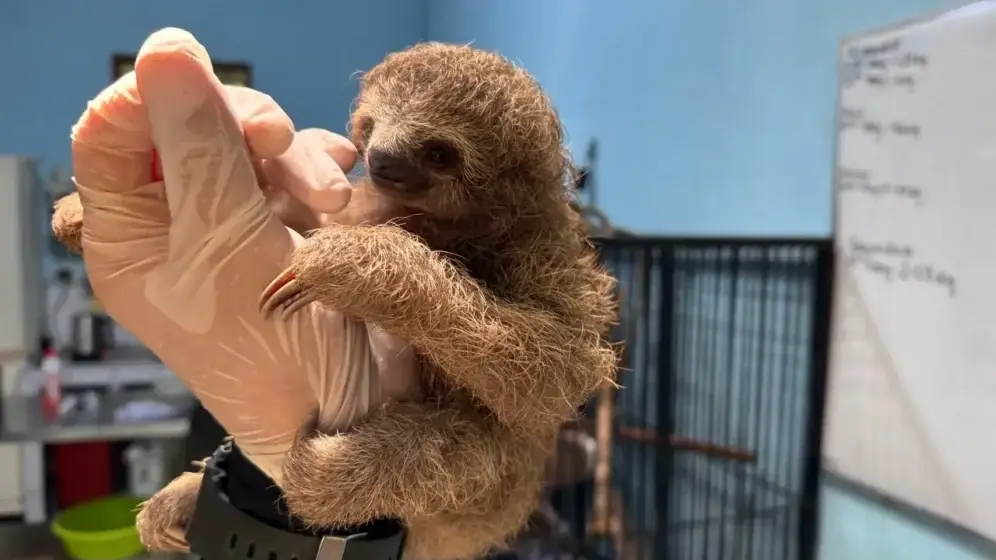
Caring for a young sloth at NATUWA.

Nutrition and feeding staff

Adapt the diet to each patient’s condition and age. Daily observation helps them spot changes and report them promptly to the clinical team.
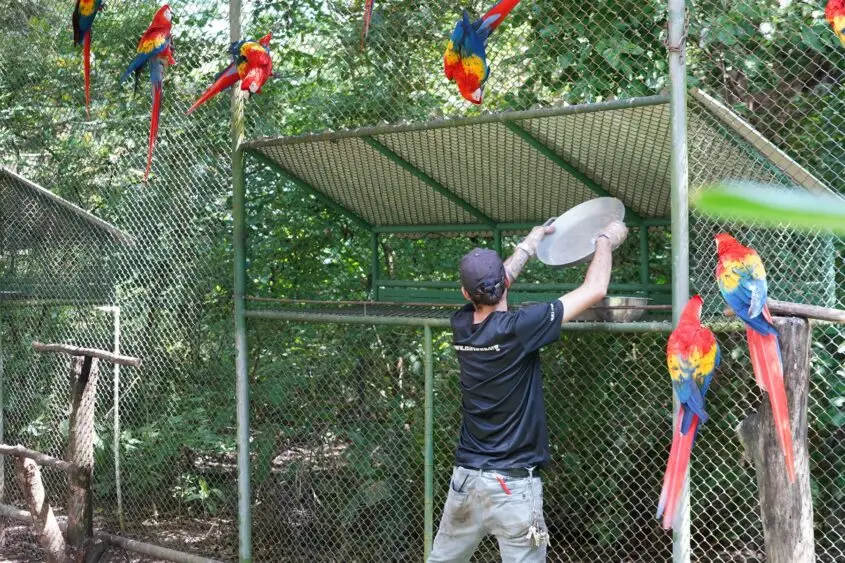
The team feeds scarlet macaws in NATUWA’s aviary.

Veterinary and biology interns

Under supervision, interns help with procedures, monitoring, diets, enrichment, maintenance, and behavioral observation.
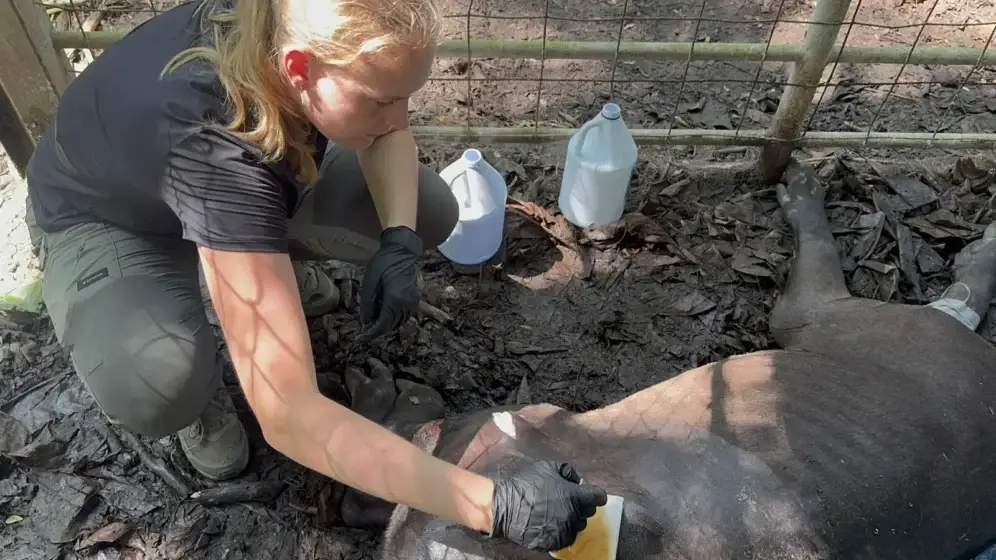
Caring for a tapir in its enclosure.

Partners, volunteers, and researchers

They contribute knowledge and hands-on work to rescue, rehabilitation, animal welfare, and conservation programs.
Yamaha volunteers help during a workday at NATUWA.
A nationwide network. SINAC, the fire service, the police, rescue centers, researchers, volunteers, and communities make this work possible.
Prevention and conservation

Education is part of conservation

Each case is a chance to explain why animals come to the Center and what we can do to prevent road collisions, dog attacks, fires, illegal wildlife trafficking, and habitat loss.

Schools and communities

Primary and secondary schools, universities, and other institutions collaborate on educational activities. In Aranjuez, community members help identify risks and let us know when a wild animal needs care.

Forests and wildlife corridors

Planting native trees restores degraded areas and helps reconnect habitats. Monteverde expands our education and responsible tourism work and helps support facilities, research, and conservation.
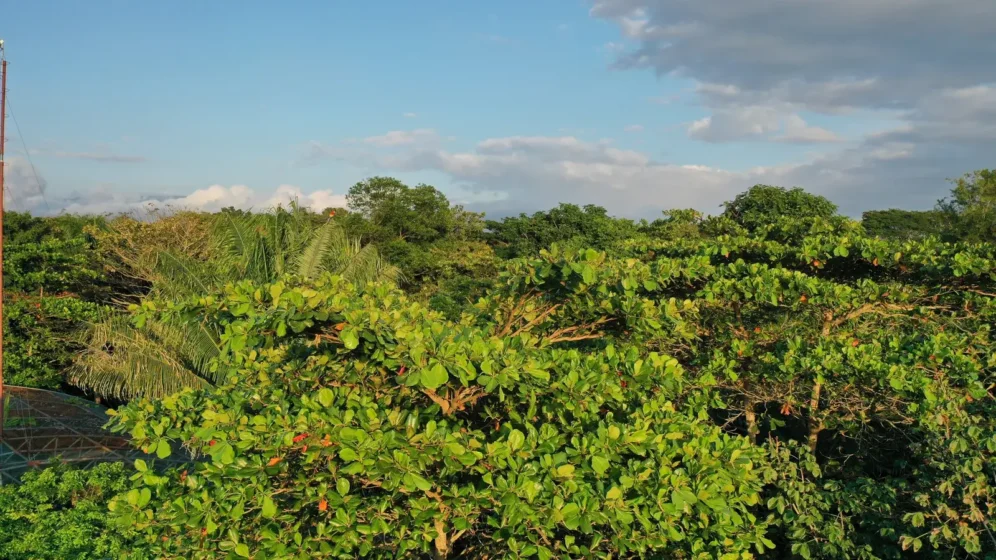
Aerial view of the forest around NATUWA.
Drive carefully where wildlife crosses, keep dogs under control, respect forests, and avoid buying wild animals as pets. These choices can protect animals before they need help.
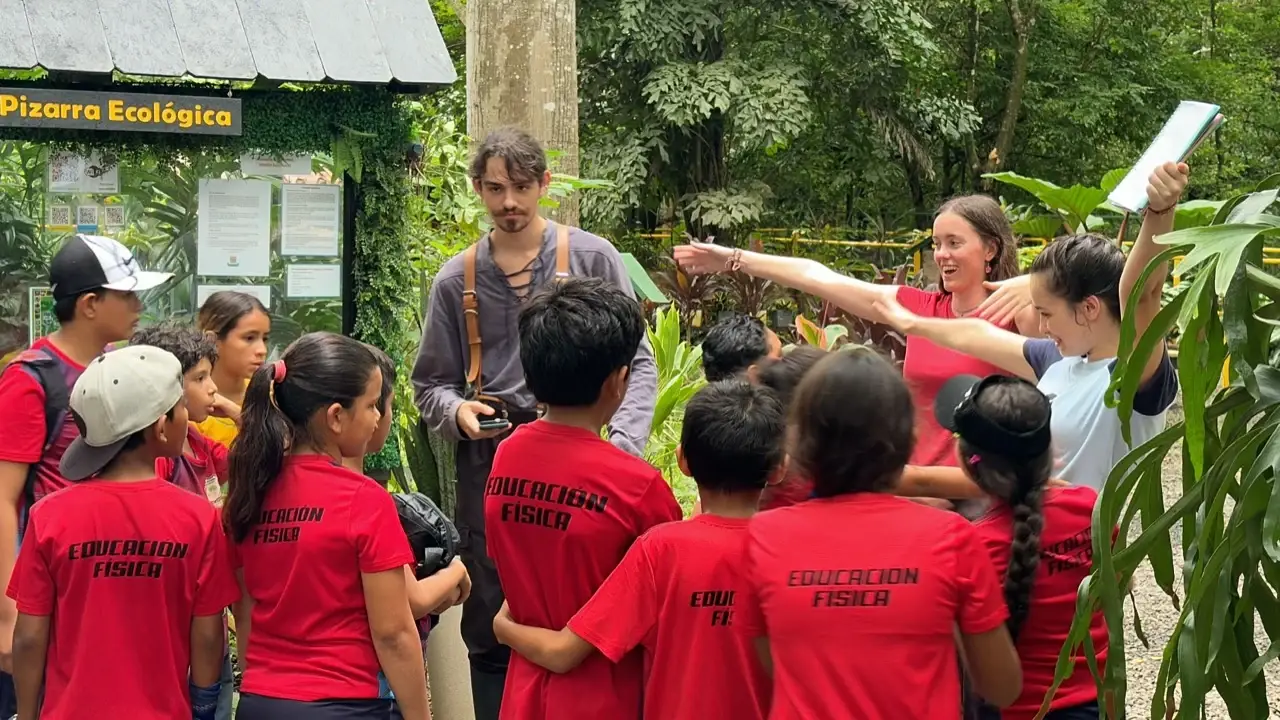
Environmental education activity by NATUWA’s ecological teaching board.
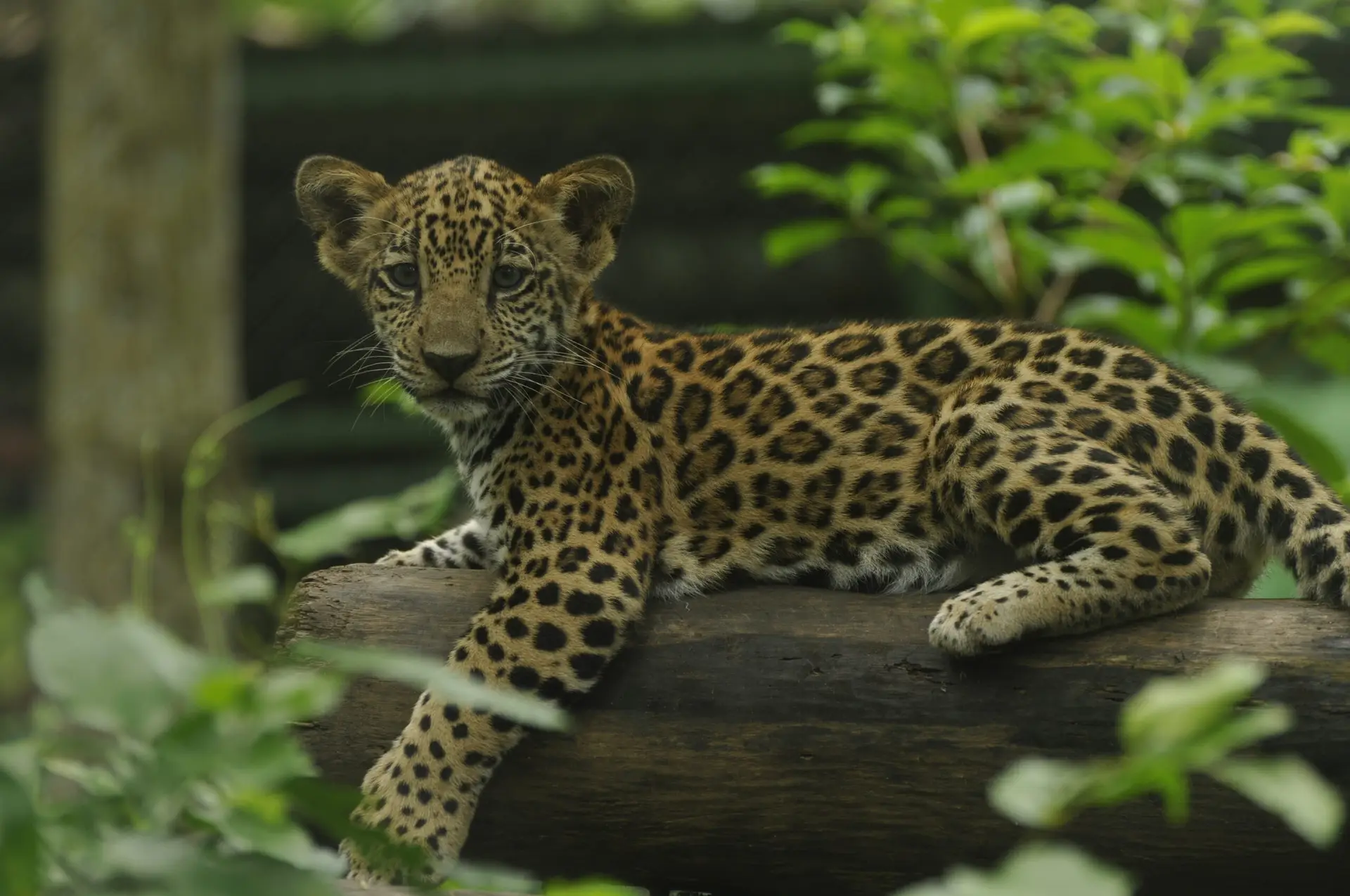
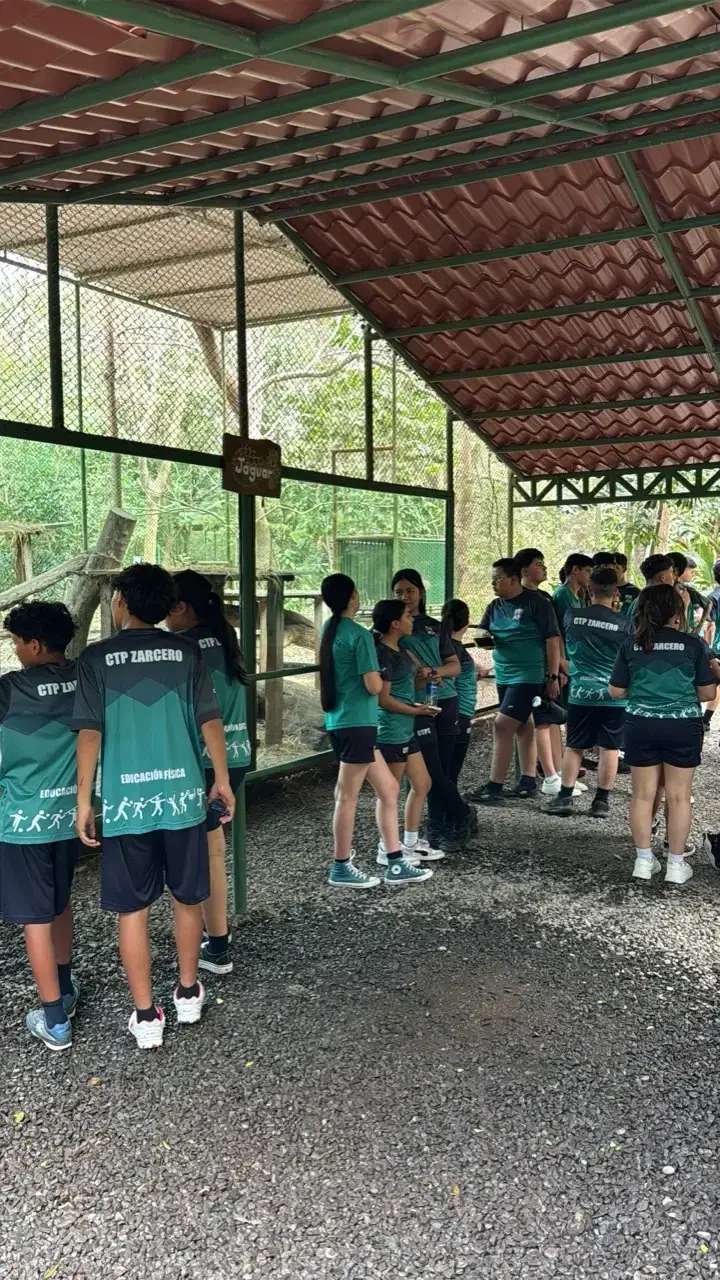
Students on a tour beside the jaguar enclosure.
How to help

Help give the next animal a chance

Each rescue depends on professional care, specialized food, diagnostic testing, and enclosures that need daily upkeep. There are several ways to support this work.

Make a donation

Your donation helps cover medicine, food, equipment, and enclosures for animals in recovery.

Volunteer with us

Work with the Sanctuary team on wildlife care, animal welfare, and conservation.

Partner with NATUWA

Universities, businesses, and institutions can collaborate on research, education, facilities, or habitat restoration.

Help prevent rescues

Protect forests, drive carefully in wildlife crossing areas, and leave wild animals in their habitats.
Working for Costa Rica’s wildlife since 1994.

The stories behind each admission

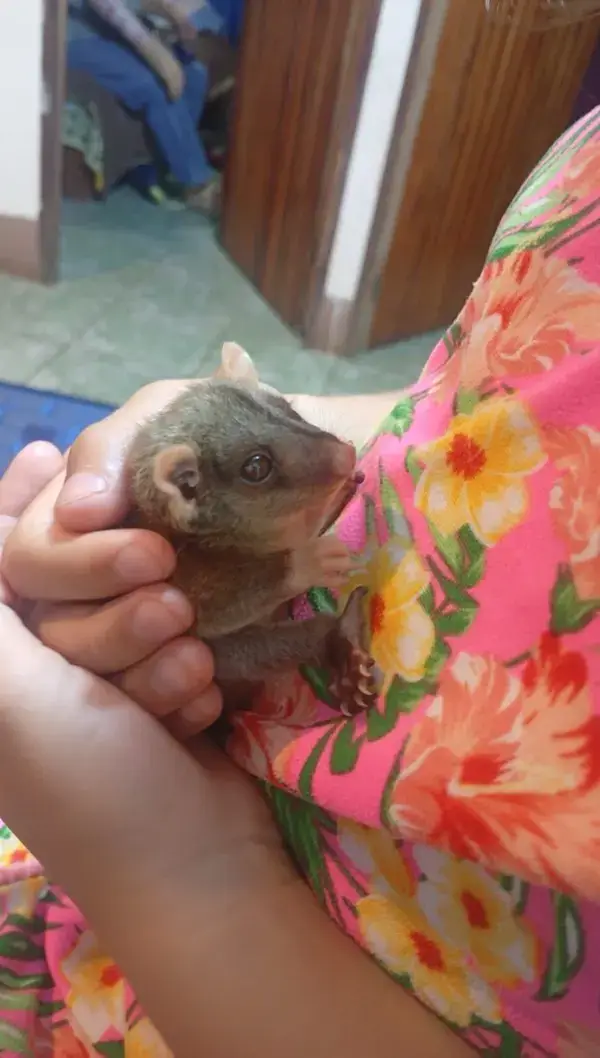
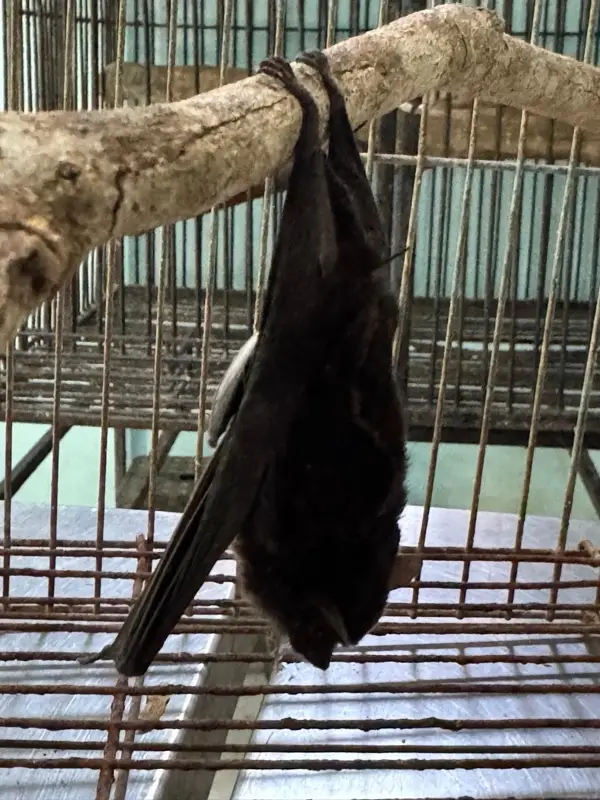
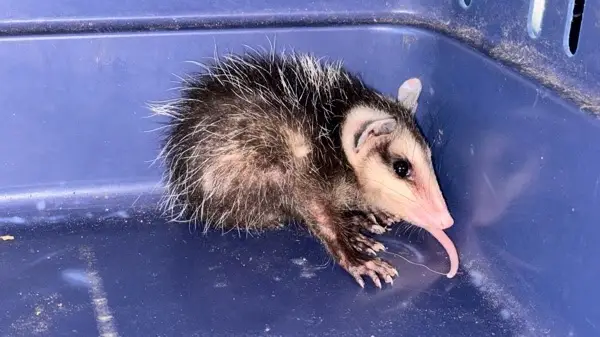
Each animal arrives at the Rescue Center for a different reason. These photos come from our intake records. Swipe to browse the cases and select an image to see it at full size.

Digital records as of November 10, 2026

Our results

What happened to the animals we received, and what we can do to help prevent future rescues.

236

recorded admissions

Case status as of the reporting date.

What happened after admission?

Each dot represents one admission.

74

Cases with a recorded release

59

Animals in care

5

Transfers to the Sanctuary

98

Recorded deaths

These figures show the status of cases in the digital records as of November 10, 2026. The analysis of the leading threat covers admissions from July through September 2026.

Prevention

Keep wildlife in the wild

50 %

51 of the 102 admissions this quarter were associated with this threat.

Admissions linked to illegal possession can be prevented. Leave wildlife in its habitat. Avoid capturing, buying, or keeping wild animals as pets.

74
of 237 admissions

were linked to illegal possession

Digital records as of November 11, 2026

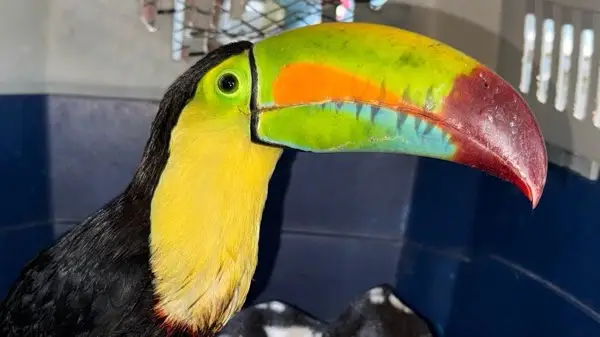
Toucan admitted to NATUWA after being kept illegally.
This toucan came to the Rescue Center after being kept illegally.

Most recent admission

Inca Dove

SINAC brought this dove to the Rescue Center after it fell to the ground with its nest. The people who found it did not see other birds of the same species nearby.

Read Ramsés’s story

Columbina inca

November 10, 2026

Fell from its nest

Why are animals admitted?

237 admissions in the digital records as of November 11, 2026. The breakdown by cause is pending verification.

—

Illegal trafficking, possession, or removal

—

—

Interaction with domestic animals

—

—

Undetermined

—

—

Habitat loss or disturbance

—

The historical breakdown by cause is pending verification.

Clinical photo pending

The animals we receive most often

237 admissions in the digital records as of November 11, 2026. The breakdown by animal group is pending verification.

237

admissions

The breakdown by animal group is pending verification.