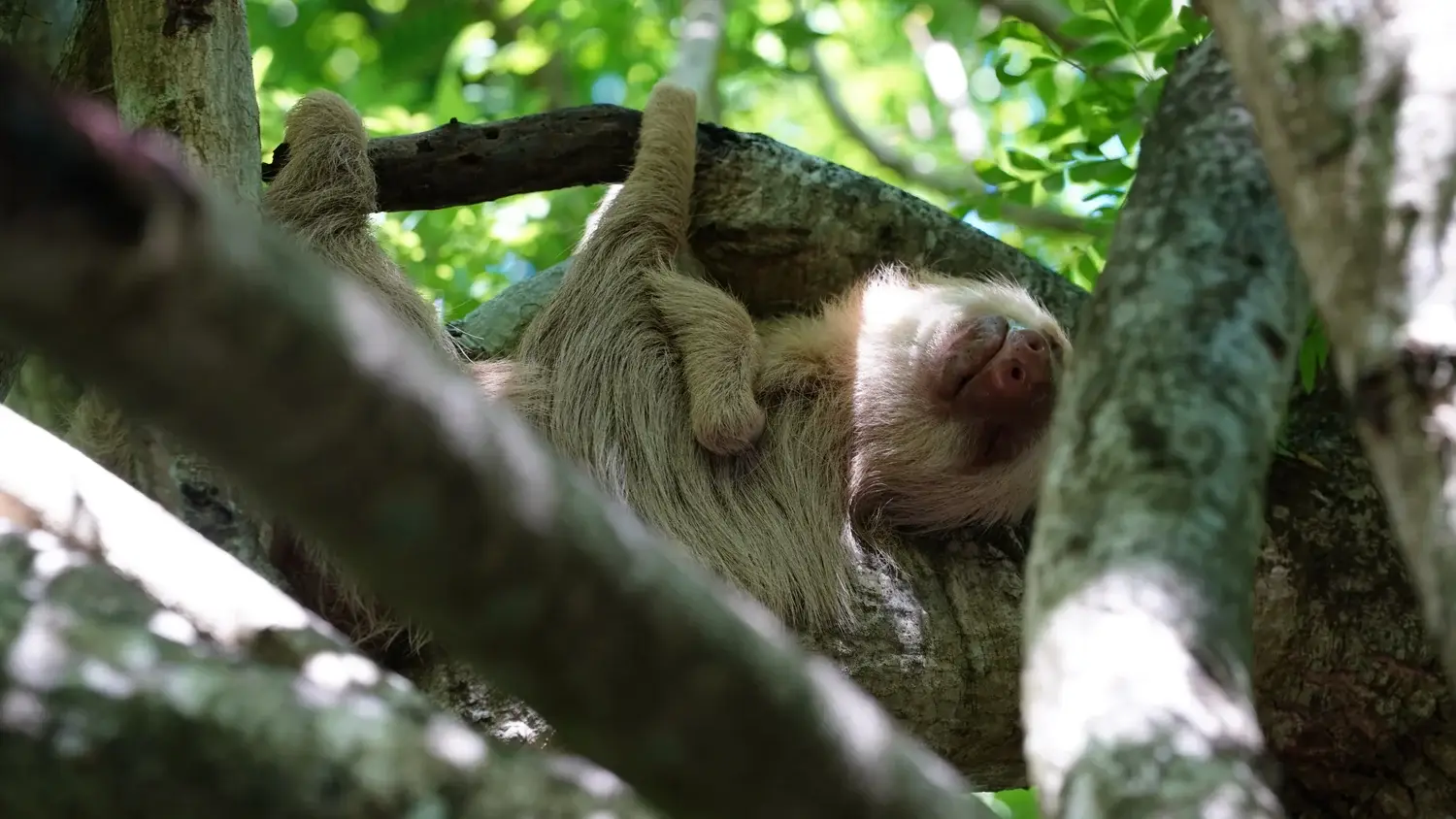
A sloth holds on to a branch, settles in among the leaves, and may stay there for quite a while. When a sloth is recovering, these everyday movements tell us something about its progress. At NATUWA, we look at how the sloth holds on, which branches it can reach, and whether it looks for food on its own. These are some of the signs that help us decide what care it needs.
The first steps in care after rescue
The sloths we receive come from different circumstances. Some have suffered burns from contact with power lines. For some animals, the injuries have been severe enough to prevent them from regaining the use of a limb or to cause the loss of the limb itself. Others arrive as orphans and still need the care they would normally receive from their mothers. We also care for animals that have been attacked by dogs.
A veterinary assessment helps identify injuries and determine what care each animal needs. We also watch for signs of stress after rescue. Follow-up includes health checks, specialized care when needed, and monitoring of the sloth’s feeding, physical condition, and behavior. The team adjusts its care as the sloth regains strength and learns to manage more independently.
How we created the sloth gardens
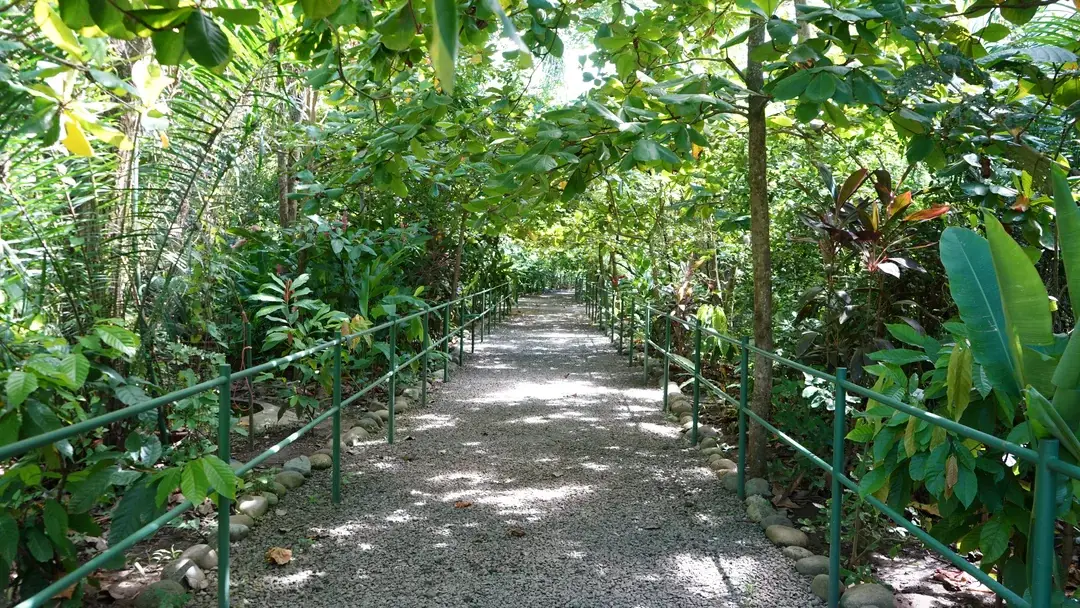
We designed the gardens to provide a suitable home for rescued sloths. The gardens in Aranjuez and Monteverde each cover one hectare. Tall trees, branches at different heights, vegetation, water sources, shelters, and shaded areas allow the sloths to move, climb, look for food, and choose where to rest. We aim to recreate the parts of their habitat they need for these activities.
In a space like this, each animal can move at its own pace and practice the movements typical of its species. The branches offer different routes, and the vegetation gives the sloths places to take shelter. These conditions also help our team observe each individual and adapt the space to its needs. The enclosure protects the sloths from risks such as dog attacks, especially for animals that have difficulty fending for themselves.
Branches and leaves help sloths regain skills
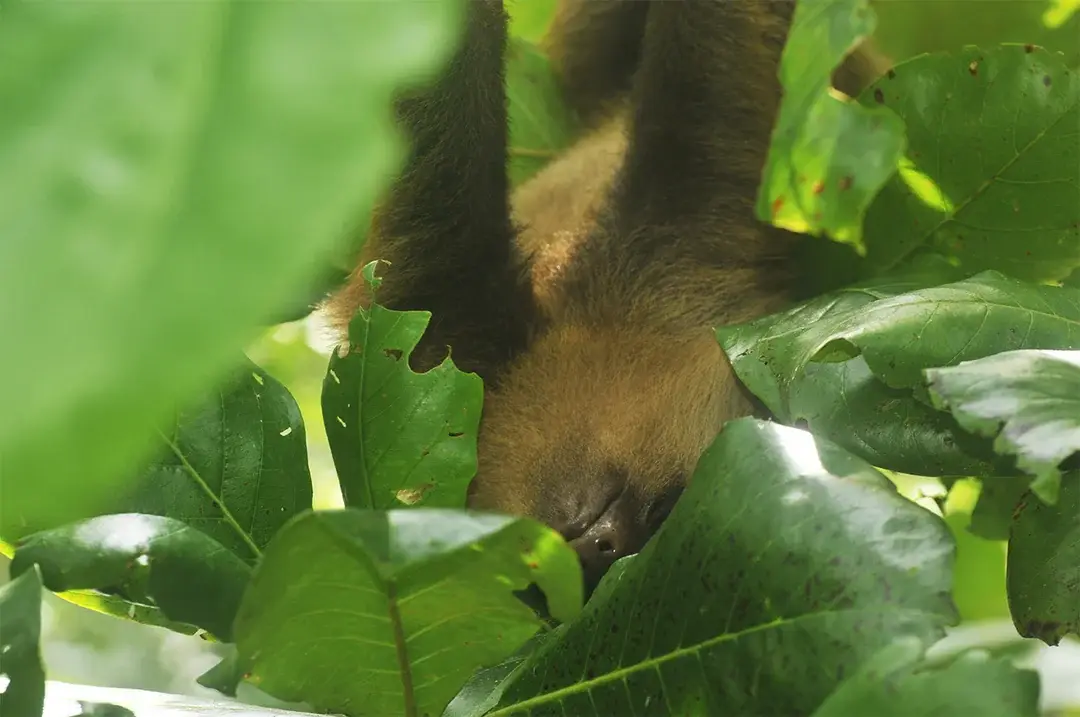
The garden contains trees and plants such as jocote, cacao, tropical almond, and guarumo. The vegetation provides shelter and shade, and some of the leaves are part of the sloths’ diet. By watching how a sloth holds on, which branches it can reach, and whether it can get to its food, we can follow its recovery and identify which skills it needs to practice.
Our team prepares supplemental food according to each sloth’s condition, especially if it arrives malnourished or has difficulty finding food on its own. When returning to the forest is possible, preparation includes a gradual transition to the leaves the animal will find there. For sloths that remain in our care, diet, health checks, and enrichment are part of their routine.
Which sloths live in Costa Rica and which we care for
Sloths are tree-dwelling mammals. They spend much of their lives in the branches, moving slowly and resting for long periods. They inhabit tropical forests in Central and South America. In Costa Rica, they can also be found in landscapes where forest and suburban areas meet.
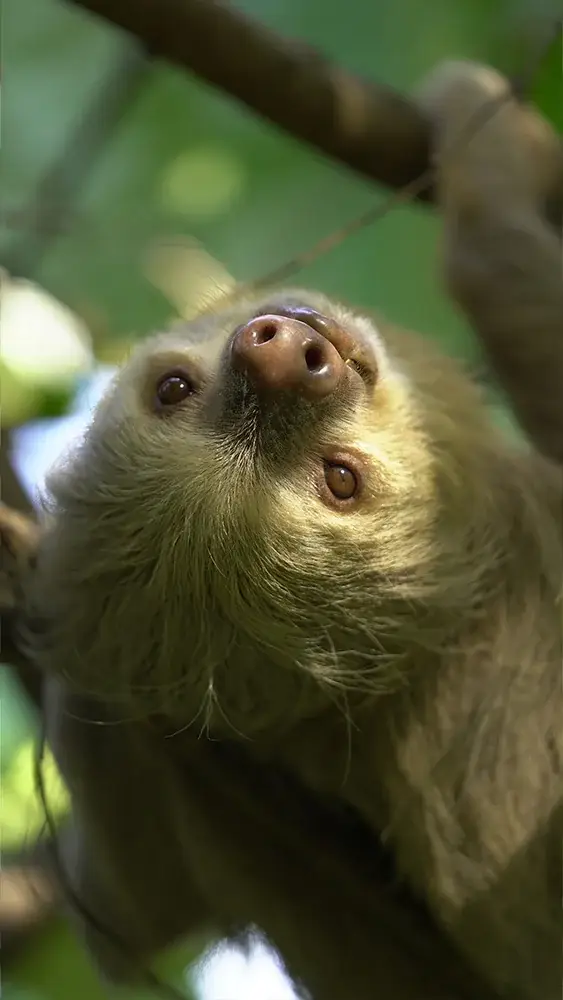
Costa Rica is home to the two-toed sloth (Choloepus hoffmanni) and the three-toed sloth (Bradypus variegatus). They belong to different groups, and their habits can vary depending on the individual and its surroundings. At NATUWA, we care for two-toed sloths in our Aranjuez and Monteverde gardens. You can learn more about their differences and habitat in our guide to the sloths of Costa Rica.
Can the sloth return to the forest?
A healed wound is only one part of recovery. Our veterinary, biology, and wildlife management teams work together to assess how the animal moves, looks for food, and responds to its surroundings. They also consider its history and ability to live independently. Some orphans arrived very young and grew up without learning skills they would have acquired from their mothers. Others have chronic illnesses, permanent injuries, or physical disabilities that put their survival outside the sanctuary at risk.
We work with the wildlife authorities at MINAE and SINAC to give animals that can fend for themselves the opportunity to return to their habitat. When an animal’s condition requires lifelong care, the garden provides veterinary attention, food, and room to climb, explore, and rest. In either case, the goal is to give each individual the care it needs.
Learn more about this process at the NATUWA Wildlife Rescue Center.
Four stories from the Sloth Garden
Each animal arrived at the sanctuary under different circumstances. These stories from NATUWA’s archives show why we tailor care to each sloth.
Lucas
Lucas was just a baby when he was found alone and disoriented. Without his mother to teach him the skills he needed to live on his own, this two-toed sloth became a permanent resident of the garden, where he could grow up under our care.
Papita
A government official rescued Papita from a hotel in Guanacaste. The hotel used her as an attraction for guests, who picked her up, petted her, and took photos with her. After she was seized, Papita was taken to NATUWA, where she could climb, rest among the branches, and develop her own routine in the garden.
Costa Rica’s wildlife regulations state that visitors and volunteers must not handle wild animals at wildlife management facilities. We therefore watch the sloths from a distance and let them go about their routines. Wildlife Conservation Regulations, Article 49 (in Spanish).
Castaño
Castaño weighed just 300 grams when he arrived. He was still an infant when his mother was struck and killed by a vehicle on a road. He received care and rehabilitation at NATUWA, grew up, and learned to move among the garden’s trees. When his story was documented, he was about seven years old and fed on the jocote and cacao leaves he found among the branches.
Chuguaca
Chuguaca lost its mother after several dogs attacked her and she died from her injuries. The young sloth found a safe place to grow up under care in the garden. Chuguaca’s story shows one of the risks wildlife faces when its habitat overlaps with places where people and their pets live.
Watch the sloths and support their care
The trail lets you see how sloths live, rest, and feed among the vegetation. On guided tours, our team explains their behavior and answers questions about their rescue stories. The barriers along the trail help visitors keep their distance so the animals can go about their day.
Bring comfortable clothes for the tropical climate and shoes suitable for walking. If you want to take photos, do so from the trail and respect the animals’ space. You can choose which tour to take in Aranjuez or Monteverde.
See your options in Aranjuez and Monteverde
Proceeds from visits support our conservation work. You can also make a donation to help care for the animals, maintain the gardens, and rehabilitate rescued sloths. Another way to help is to learn about our volunteer program, where activities are supervised by our team.


