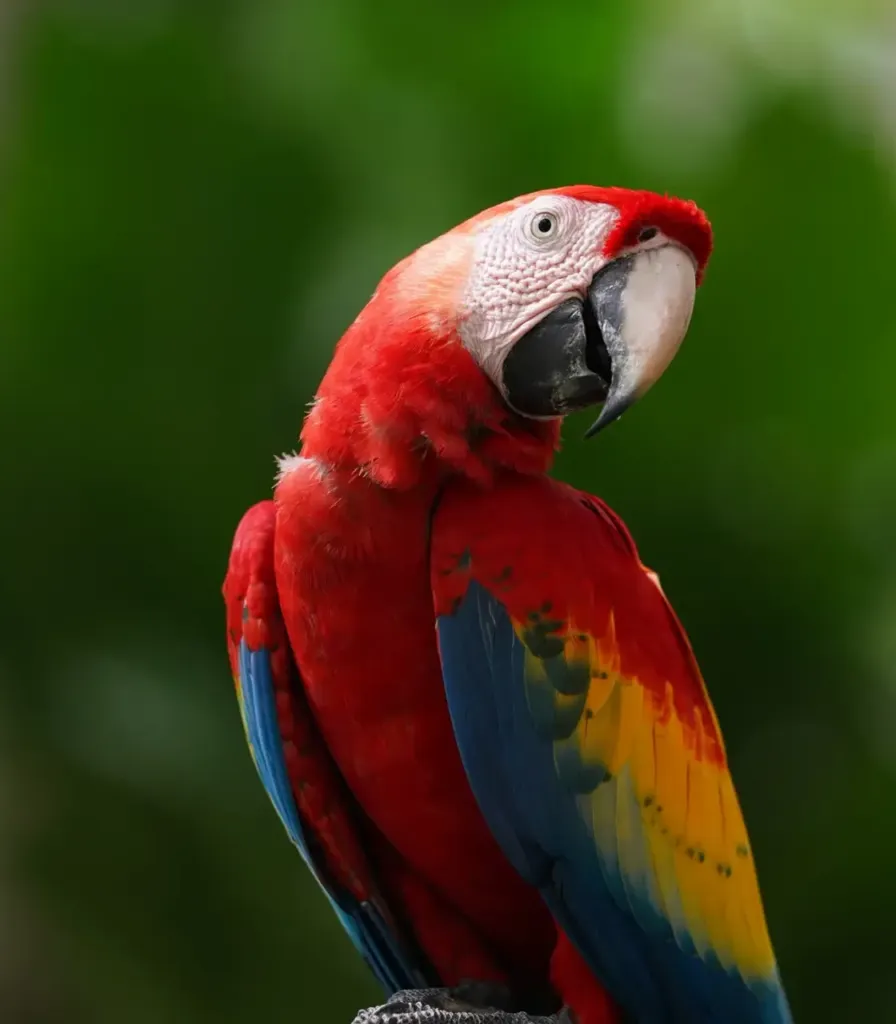
A scarlet macaw in profile among the vegetation

NATUWA Costa Rica

Wildlife sanctuary and rescue center. We care for wild animals and help those that can return to their habitat.

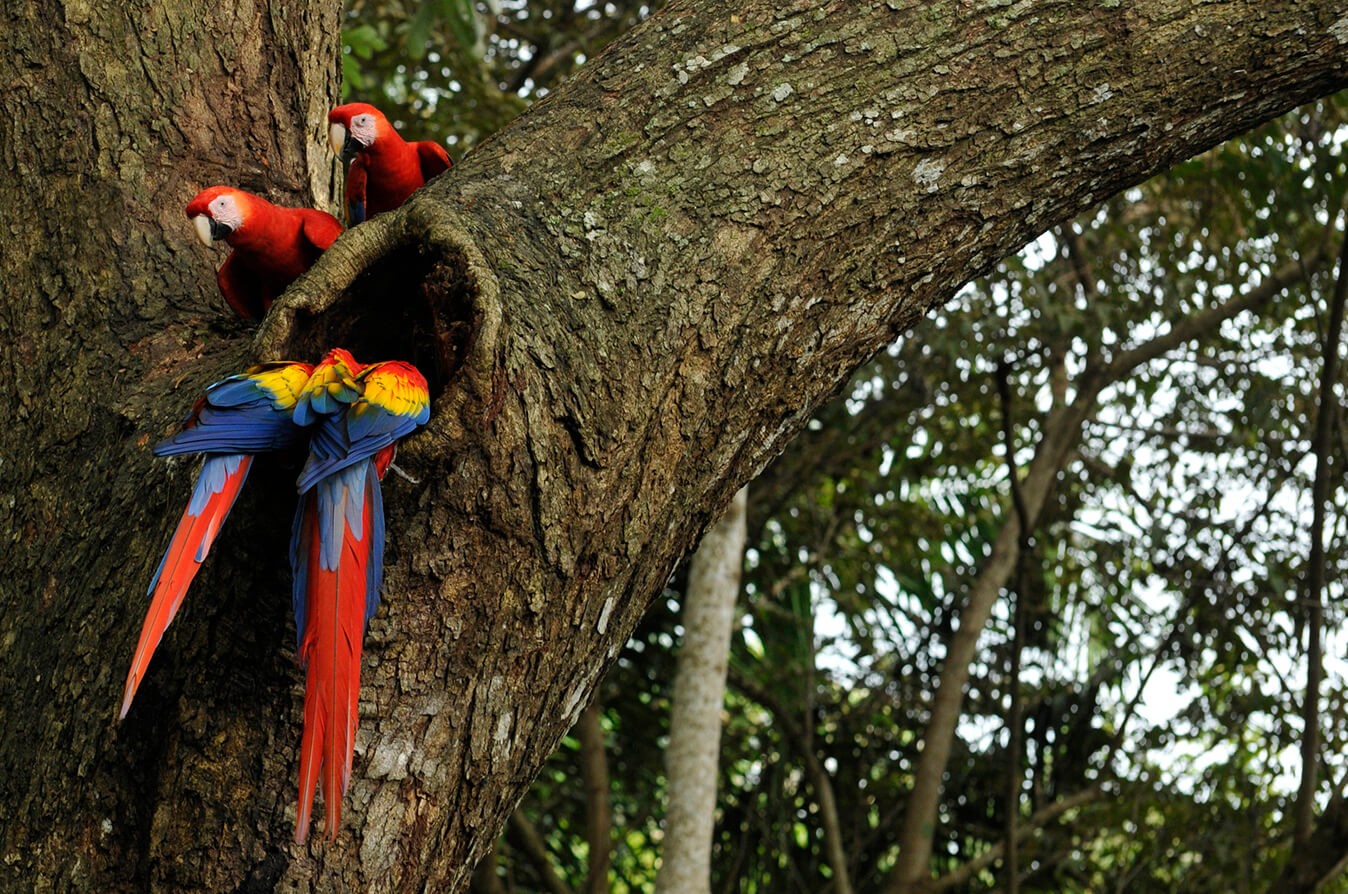
Scarlet macaw · NATUWA archive

Our purpose

Why NATUWA exists

Mission

Natuwa’s macaw sanctuary helps Costa Rica’s wildlife. If an animal can return to the forest, the team prepares it for life in the wild. Those that cannot are given a safe home.

We also work with communities to care for nature. The team teaches, studies the animals and helps the forest grow back.
Vision

We want Natuwa to set an example in rescuing and caring for Costa Rica’s wildlife. We also want more people to know how to live near wild animals without harming them.

To achieve this, we bring together science, education and work with people. This will allow more animals to return home and more trees to grow.

NATUWA’s wildlife

Get to know seven species through our photographs.

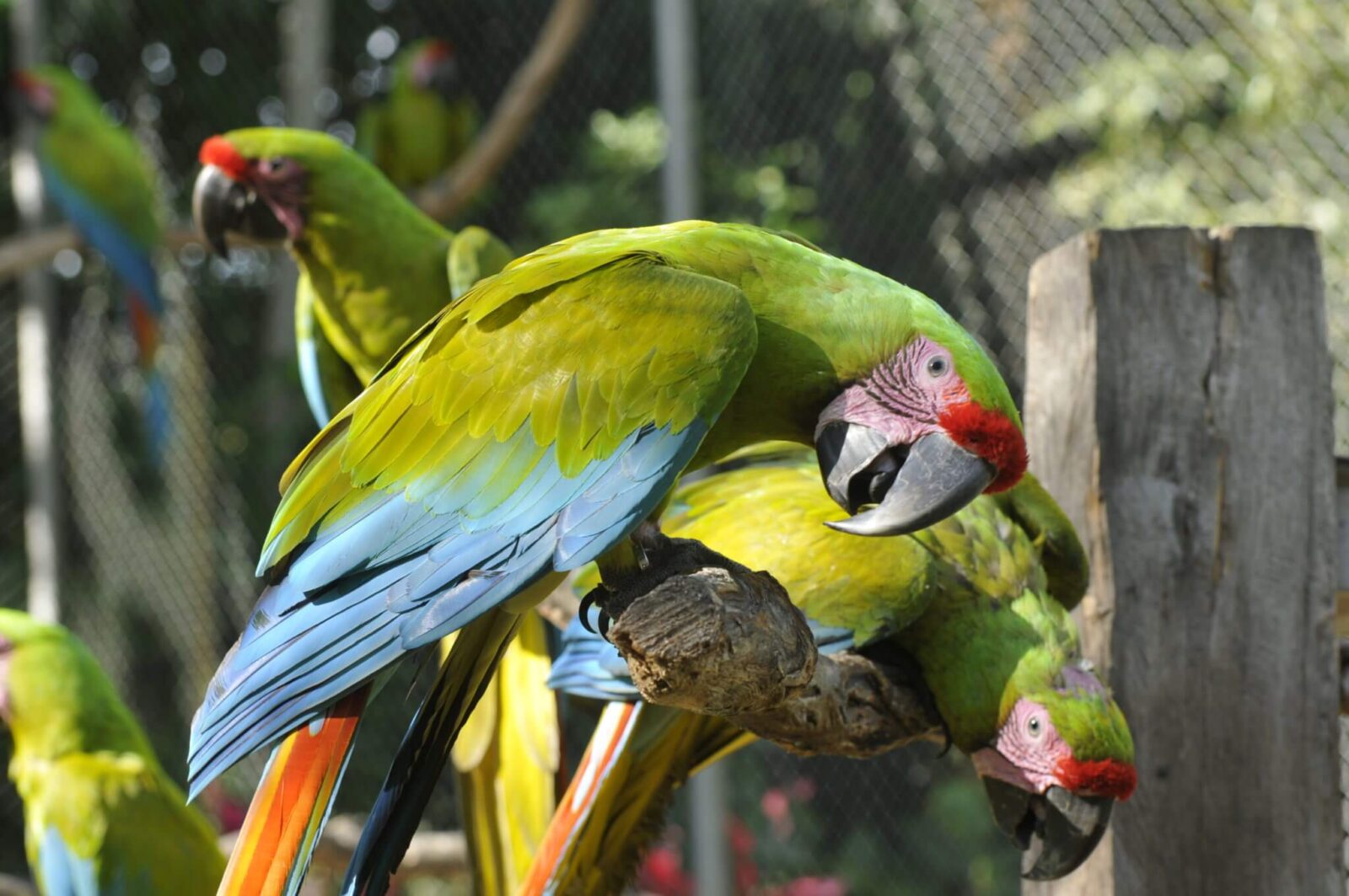
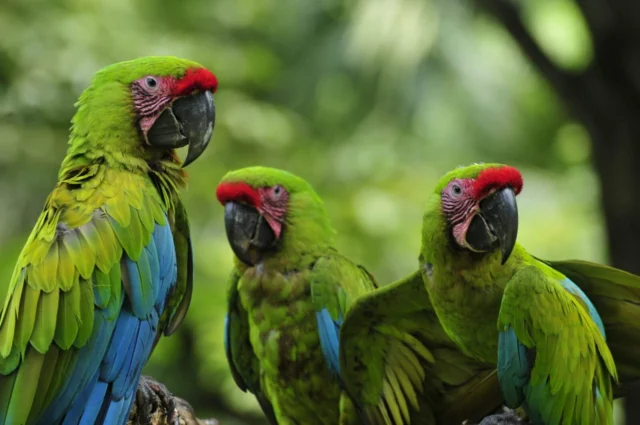
Great green macawAra ambiguus
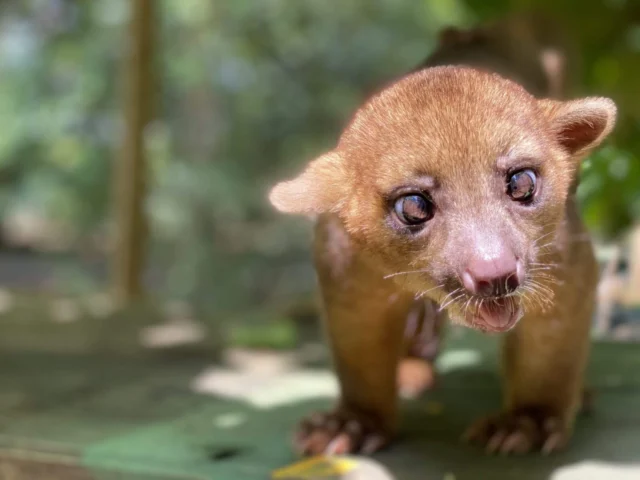
KinkajouPotos flavus
Scarlet macawAra macao
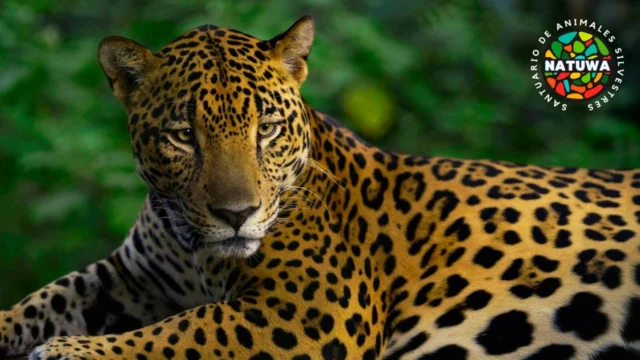
JaguarPanthera onca
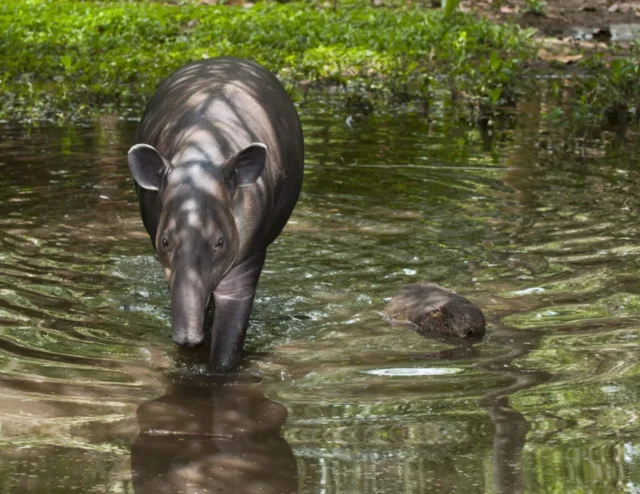
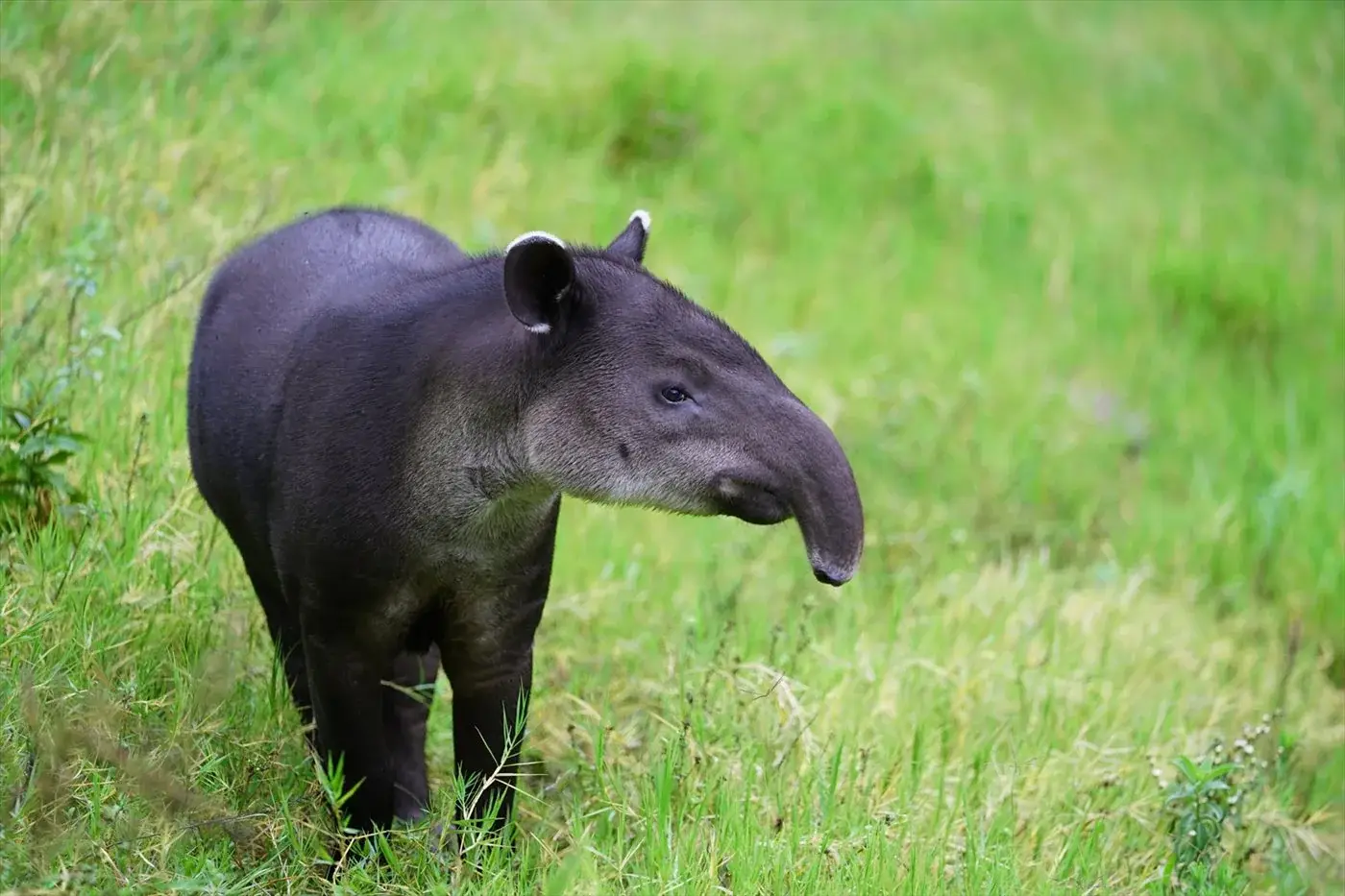
Baird’s tapirTapirus bairdii
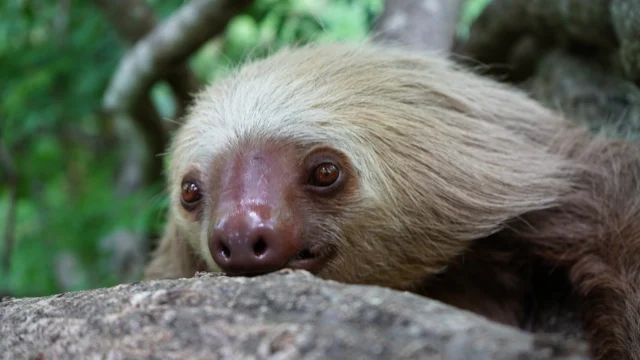
Sloth
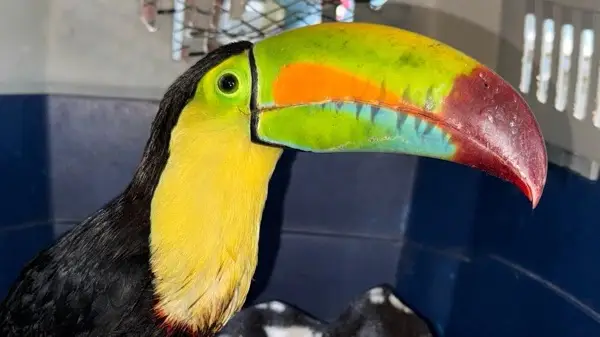
Keel-billed toucanRamphastos sulfuratus

What happens after rescue

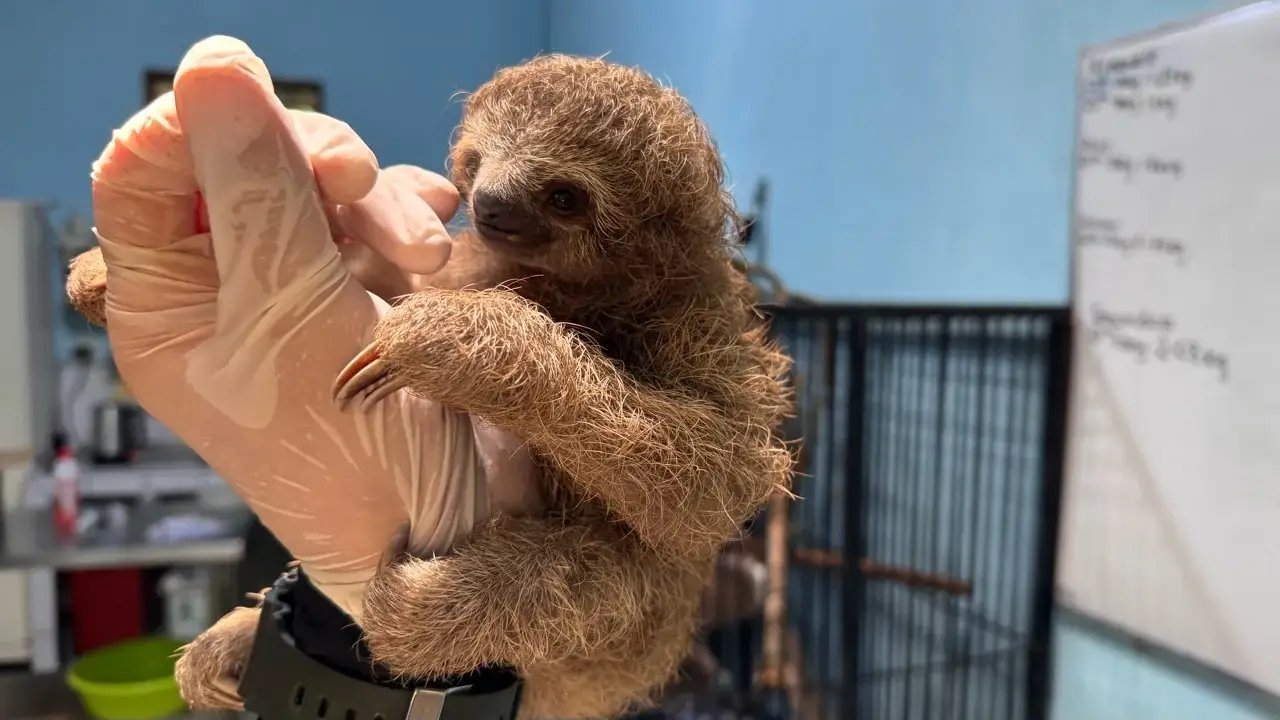
In Aranjuez, the team cares for each patient, supports its recovery and assesses whether it can return to the wild.

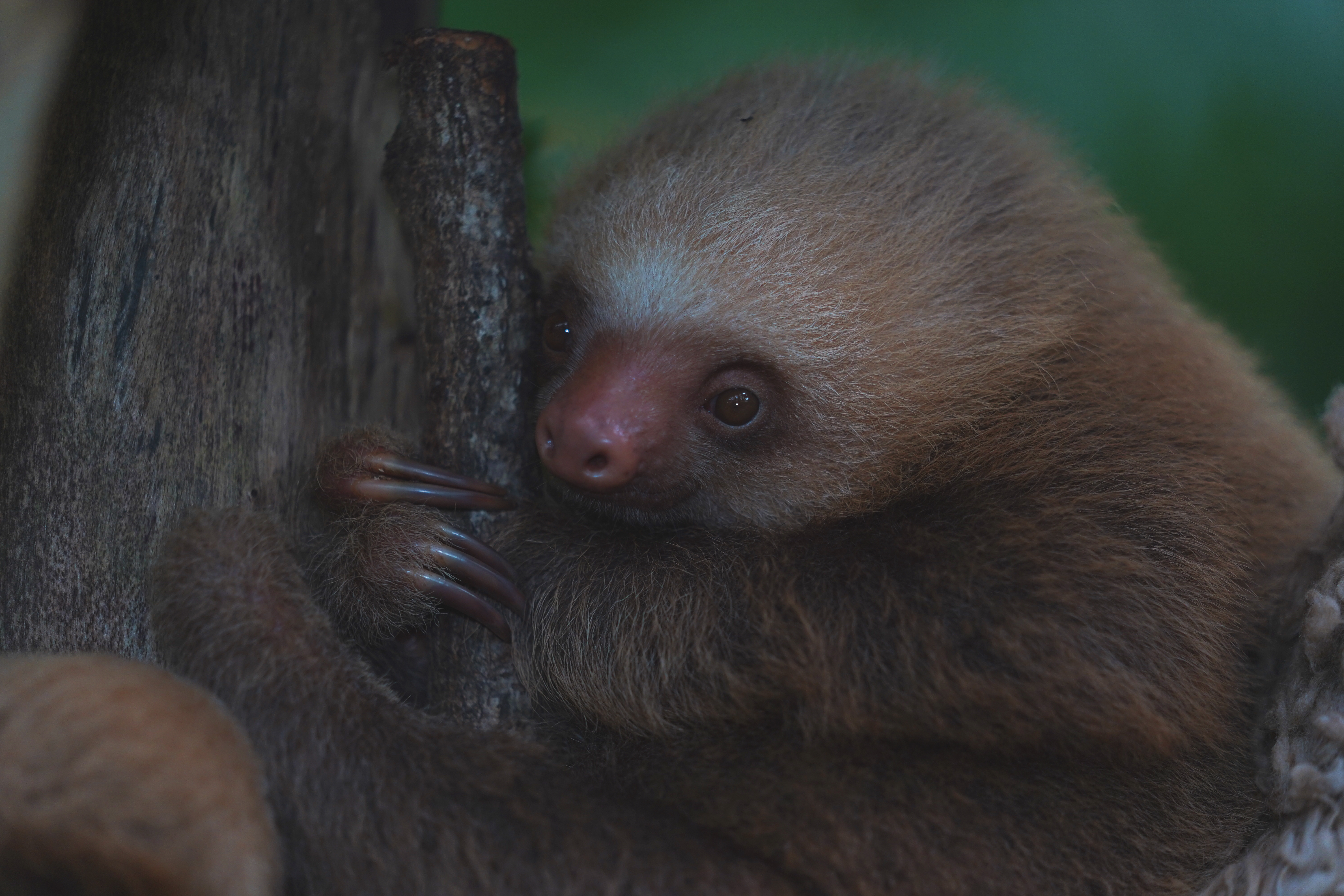
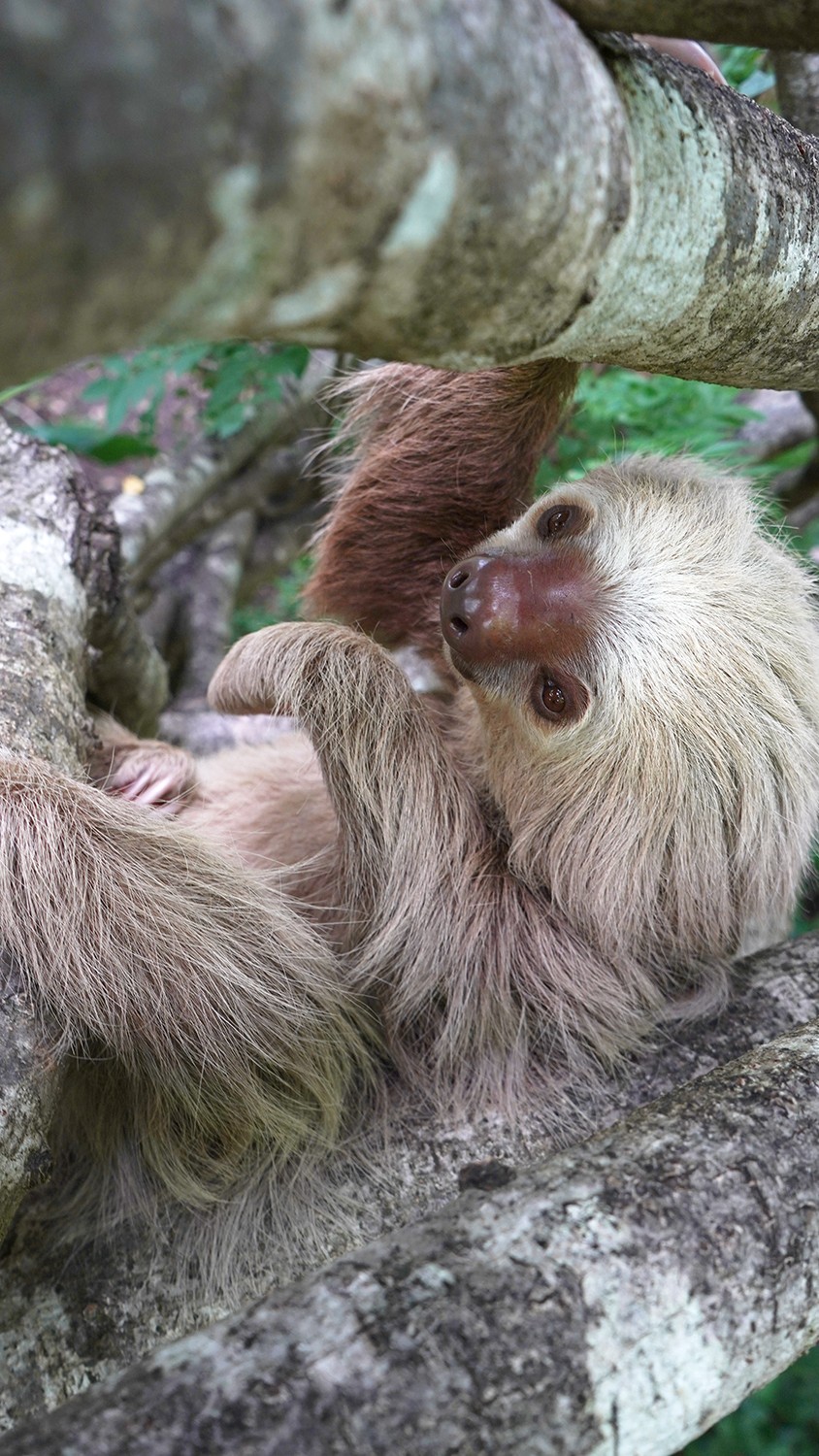
Baby two-toed sloth · NATUWA archive.

236
Recorded admissions
74
Cases with a recorded release
59
Animals in our care

Case status as of November 10, 2026. View the records and their breakdown.

Their stories are also part of NATUWA

A home, a second chance

If an animal can return to the forest, the team prepares it for life in the wild. Those that cannot are given a safe home.

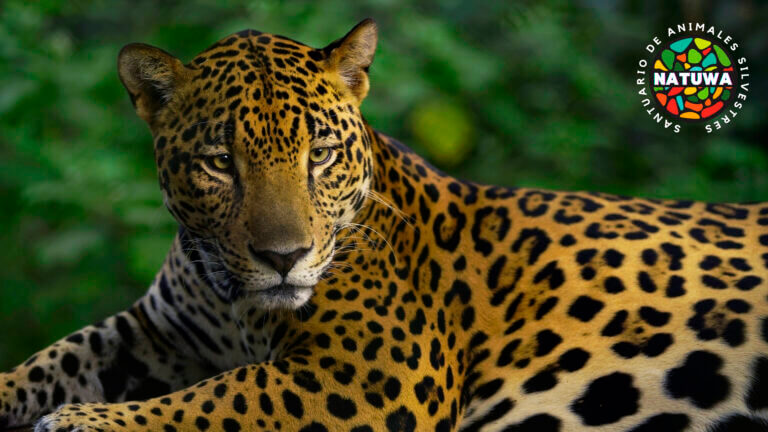
Jaguar from the tour carousel
Jaguar · NATUWA archive.

Every animal has a story

At the sanctuary, we care for jaguars, ocelots and tapirs. Monkeys, white-tailed deer, peccaries and sloths also live here.

We also provide a home for animals from other countries. Some arrived in Costa Rica with permits, while others entered through the illegal pet trade.

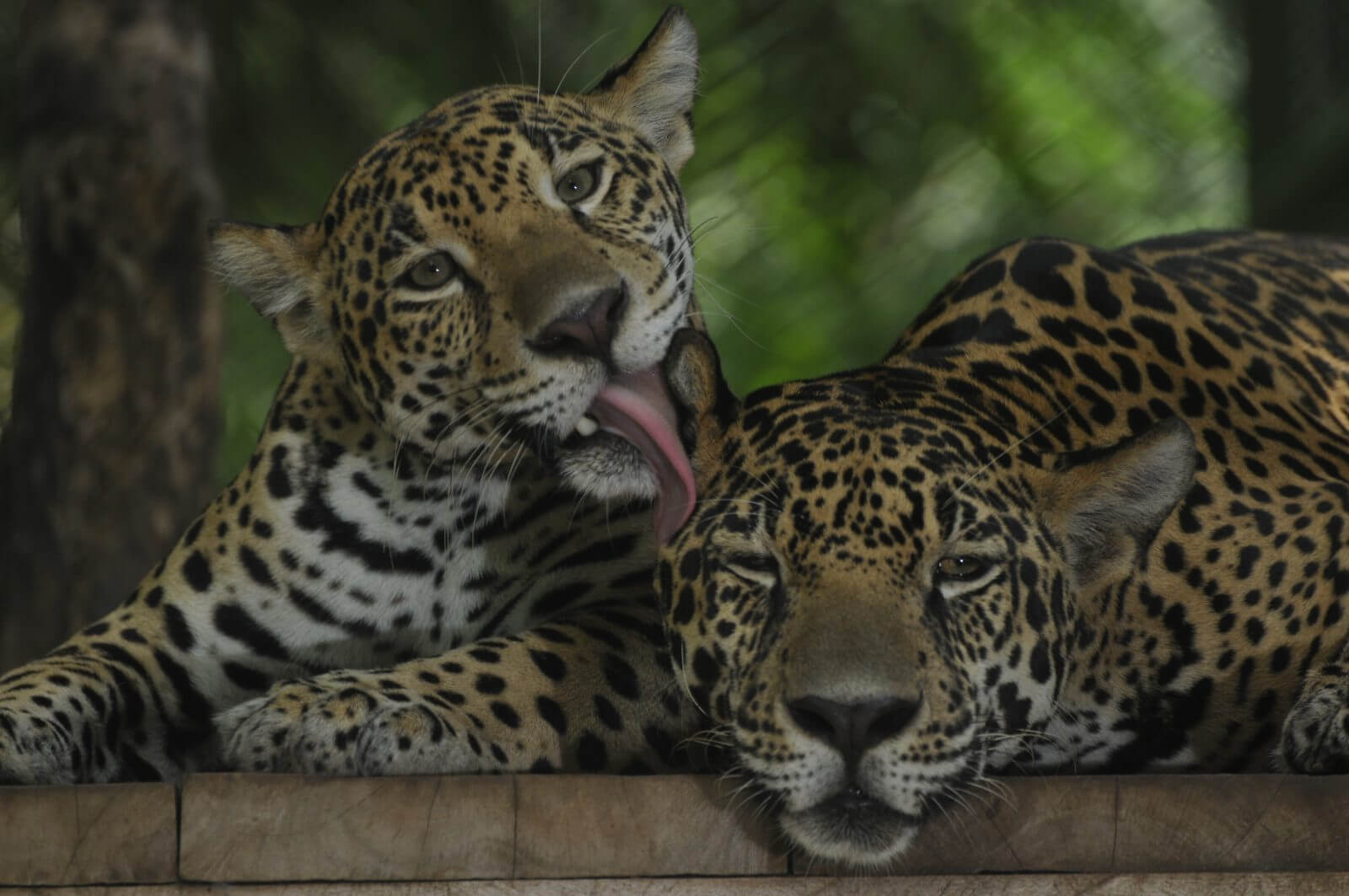
Onka and Baguira, two rescued jaguars living at Natuwa
Onka and Baguira were rescued as cubs.
Machita, a female two-toed sloth rescued by Natuwa
Machita was confiscated from a hotel where she was used for photos with tourists.
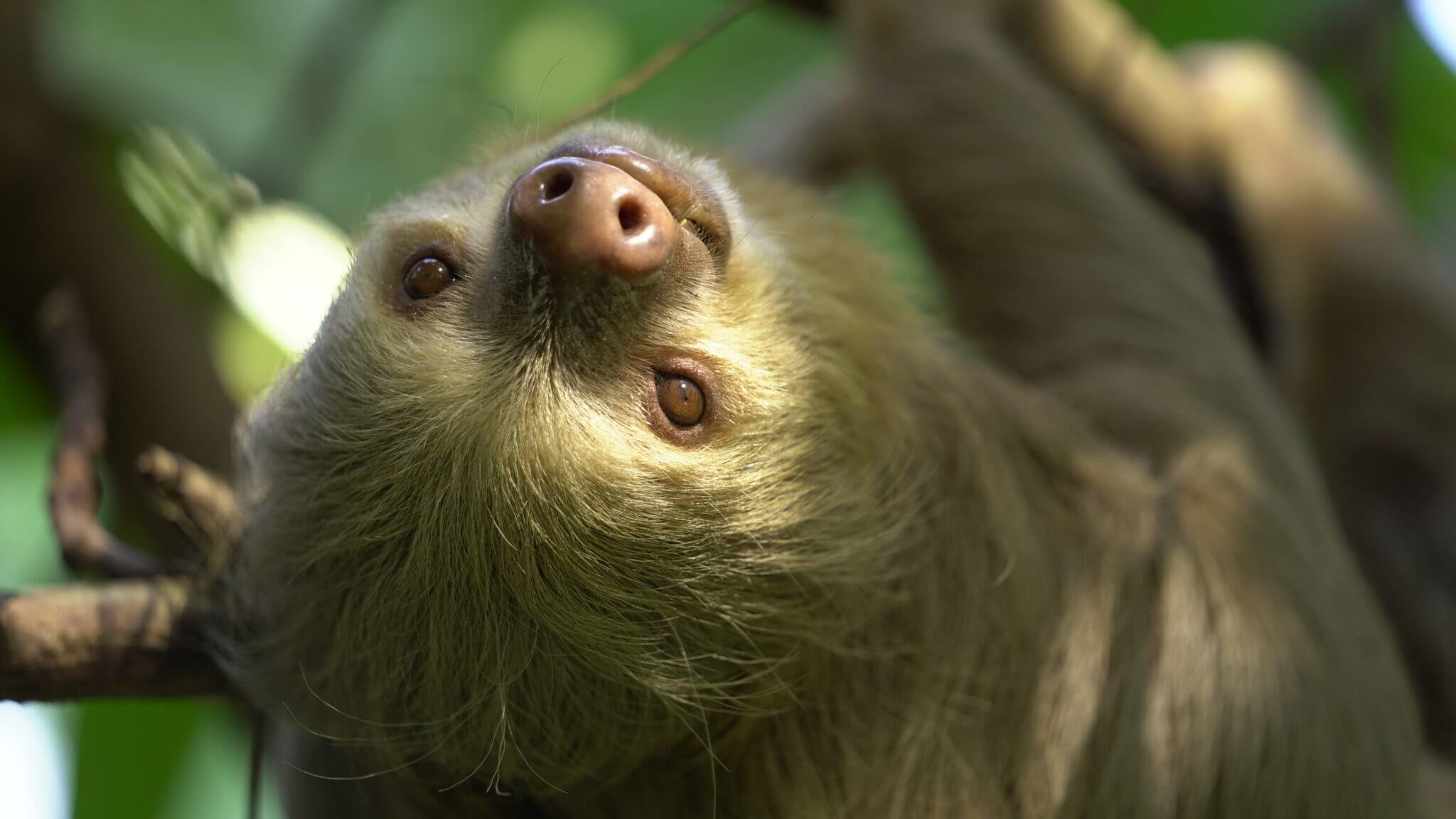
A two-toed sloth in a tree in its enclosure at Natuwa
Two-toed sloth · Spaces suited to each species.
Ramsés, a white-faced capuchin monkey rescued and cared for by Natuwa
Ramsés, a white-faced capuchin. He was kept as a pet.
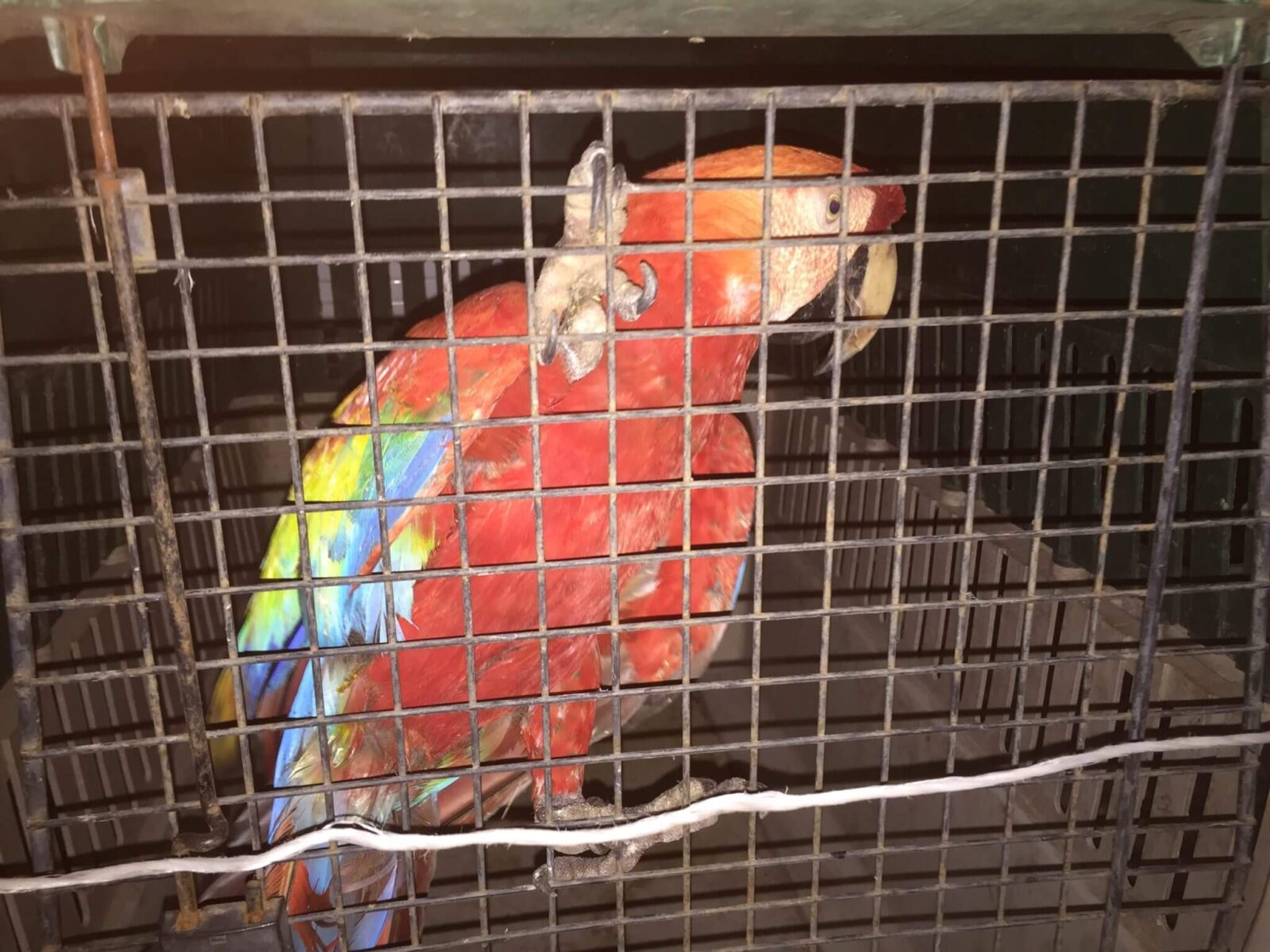
Scarlet macaw (Ara macao) at Natuwa’s macaw sanctuary
The scarlet macaw is one of the animals we rescue and provide a home for at NATUWA.

A sanctuary for wildlife

Every day, Natuwa’s team rescues animals and cares for those that need a home. When they can fend for themselves, the team prepares them to return to their habitat.

We invite you to visit the rescue center to see how we care for Costa Rica’s animals.

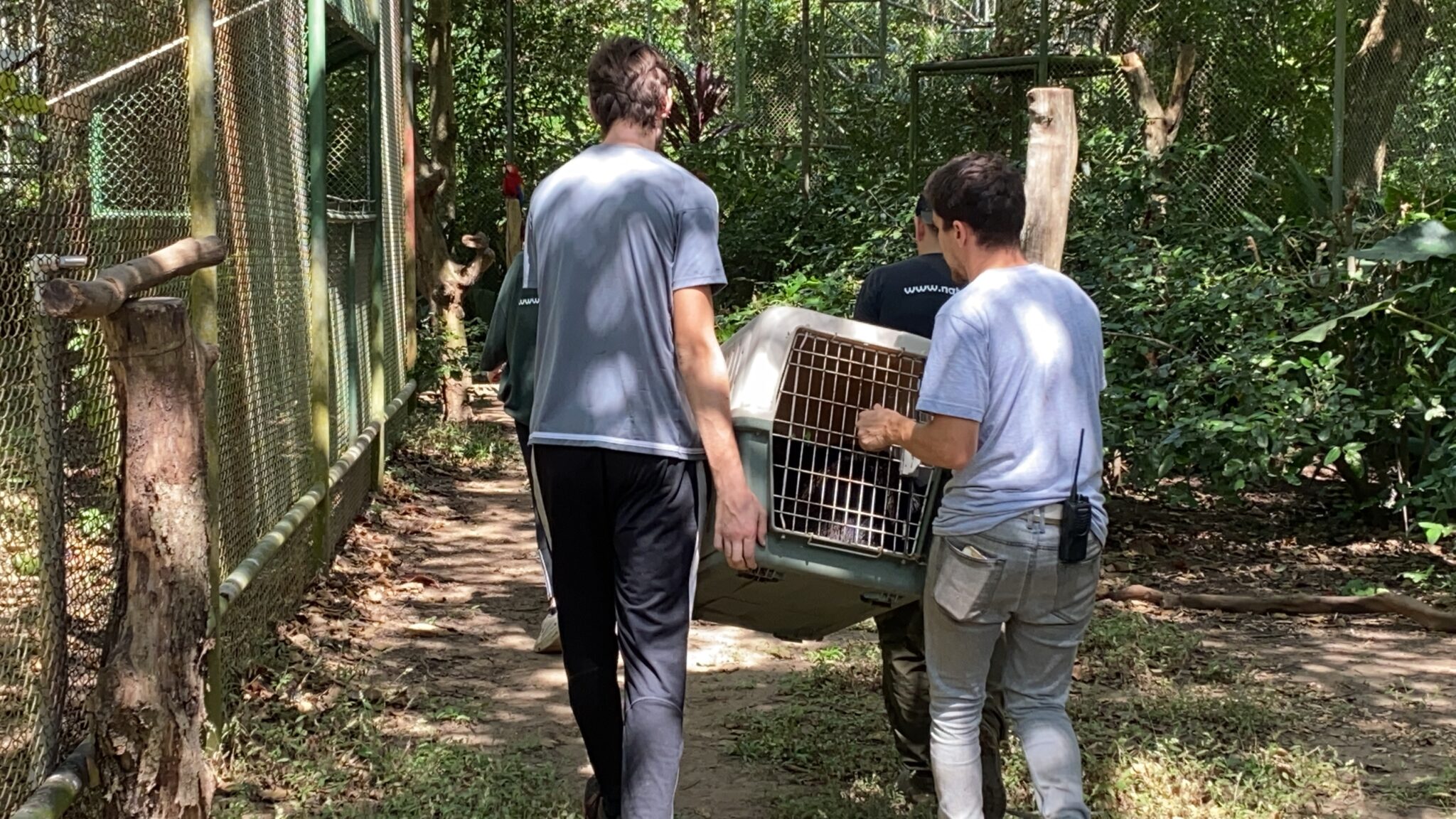
Two team members carry an animal carrier along a trail between enclosures
The team at work inside the sanctuary.

Rescue, recovery and care

The team receives animals affected by hunting, being kept in homes without permits, tree felling, urban construction or road collisions.

They treat the animals’ injuries and give them time to heal. When the animals can live independently, the team helps them return to the wild.

The sanctuary’s origins

Macaw conservation

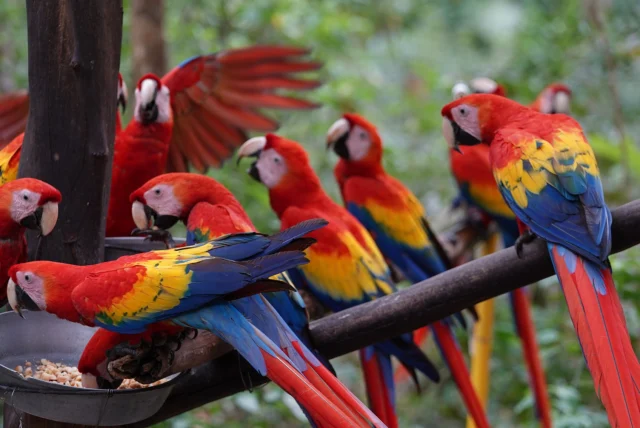
Natuwa protects two species native to Costa Rica: the scarlet macaw (Ara macao) and the great green macaw (Ara ambiguus).

For more than two decades, the team has rescued macaws affected by illegal trafficking and forest loss. The team then helps them recover and, if they can live independently, return to the wild.

Scarlet macaw (Ara macao) at Natuwa’s macaw sanctuary
Scarlet macaw (Ara macao) · NATUWA Sanctuary.
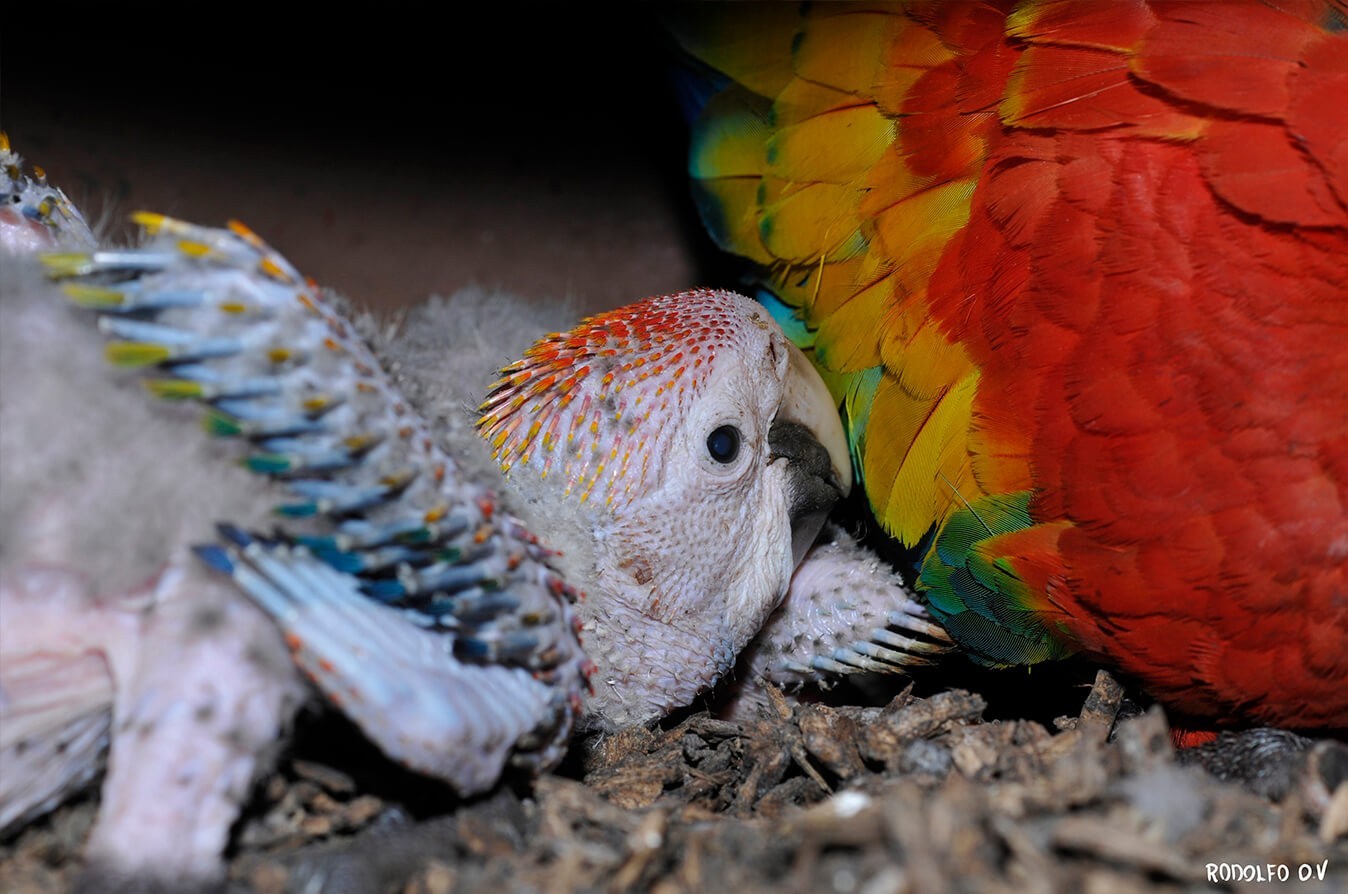
A macaw chick in the nest
01 · CareMacaw chick in the nest · NATUWA archive.
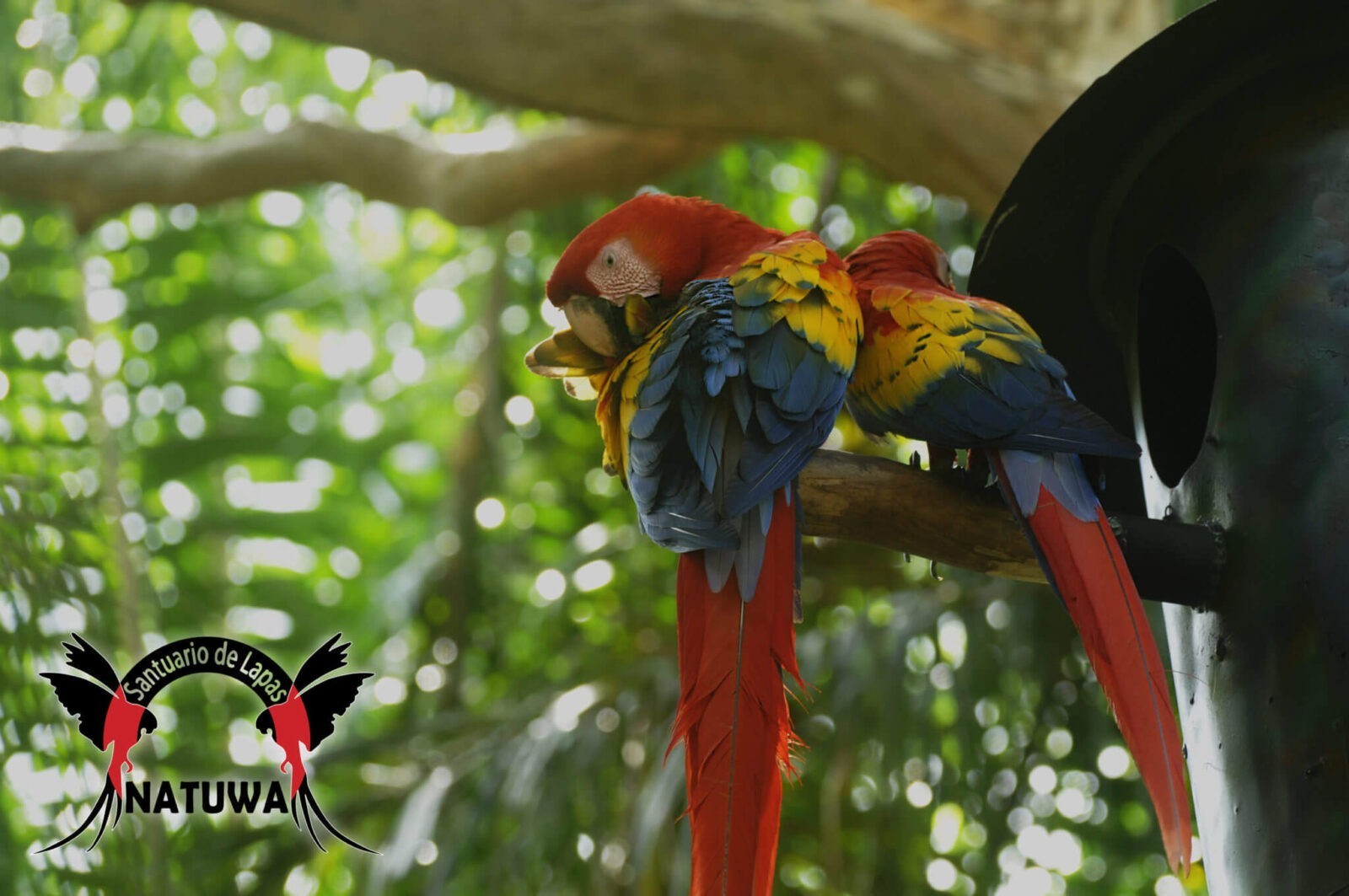
Artificial nest for a scarlet macaw at Natuwa’s macaw sanctuary
02 · Create opportunitiesArtificial nest for a scarlet macaw, NATUWA, Costa Rica.
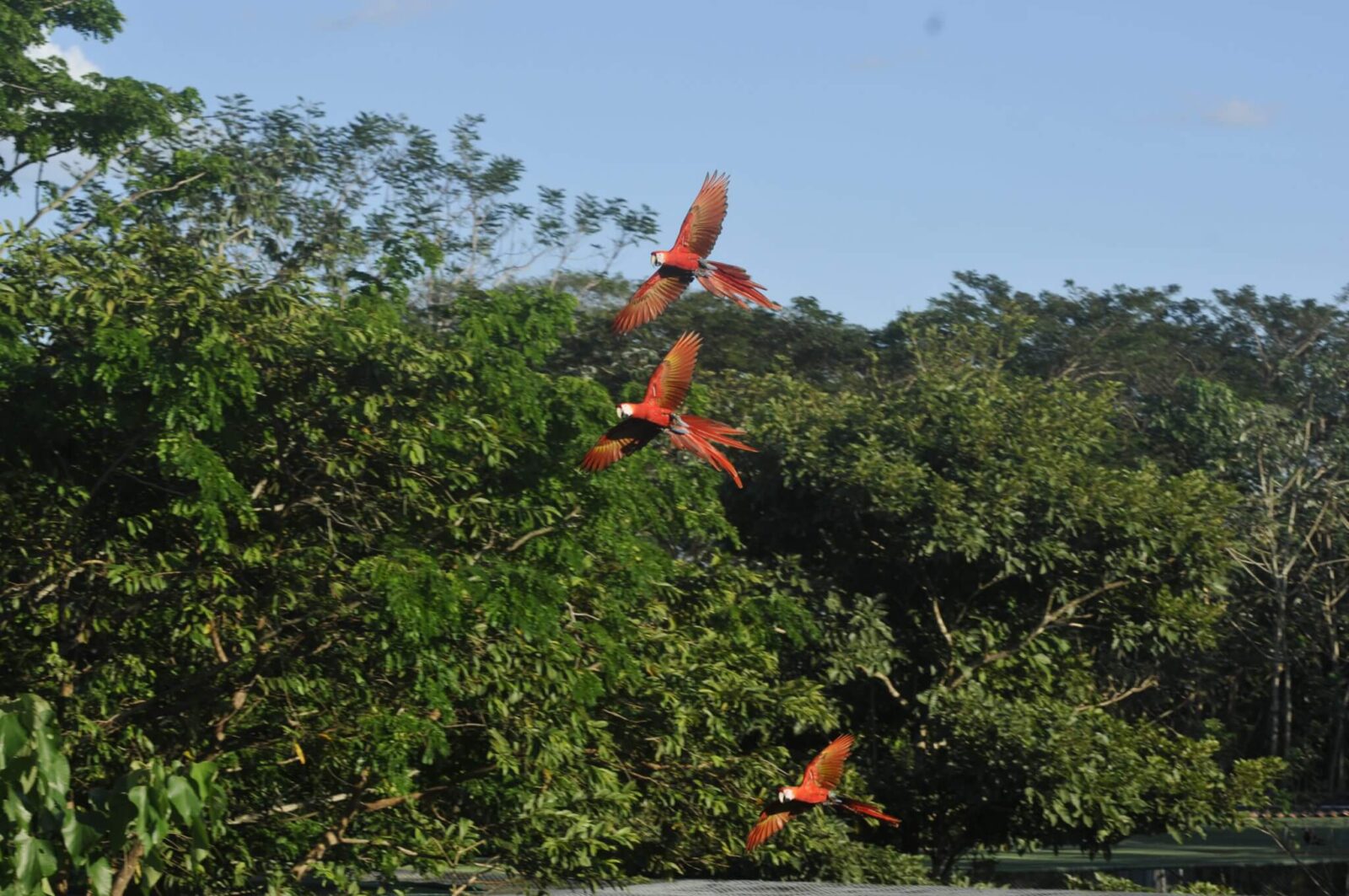
Macaw conservation NATUWA Costa Rica.
03 · Return to the forestBirds released by Natuwa enjoy life in the wild in the Aranjuez community.
Great green macaw (Ara ambiguus) at Natuwa’s wildlife sanctuary
Great green macaws (Ara ambiguus) · NATUWA archive.

How we prepare them to return to the forest

First, the team takes the macaws it receives to a safe place. The birds then receive care to restore their health and natural behaviors.

Finally, the team releases birds that can live independently into protected forests and monitors them. The team also shares what it has learned with communities and visitors so they can help protect the birds.

Care, work with the authorities and ecological role

Caring for macaws

Natuwa also cares for more than one hundred macaws. With support from MINAE and SINAC, the team provides veterinary care, prepares their diets and helps them regain their species’ natural behaviors.

Working with Costa Rica’s authorities

Natuwa works with the Ministry of Environment and Energy (MINAE), the Public Force and the Fire Department. Together, they help birds taken from the forest through illegal trafficking.

Each bird receives care and, if it can fend for itself, has the opportunity to return to the wild.

The ecological role of macaws

Macaws and other parrots help the forest when they eat fruit and seeds.

  • They carry seeds to other places and leave food for other animals.
  • They also remove dead branches and bark from trees.
  • This helps new plants grow and the forest recover.

At Natuwa, we protect these birds so they can continue to play this role in Costa Rica’s forests.

Birds from around the world

Exotic birds: a home at NATUWA

In addition to caring for Costa Rica’s birds, the macaw sanctuary provides a home for birds from other countries. Some arrive after being confiscated from illegal trafficking. Others come from homes that can no longer care for them.

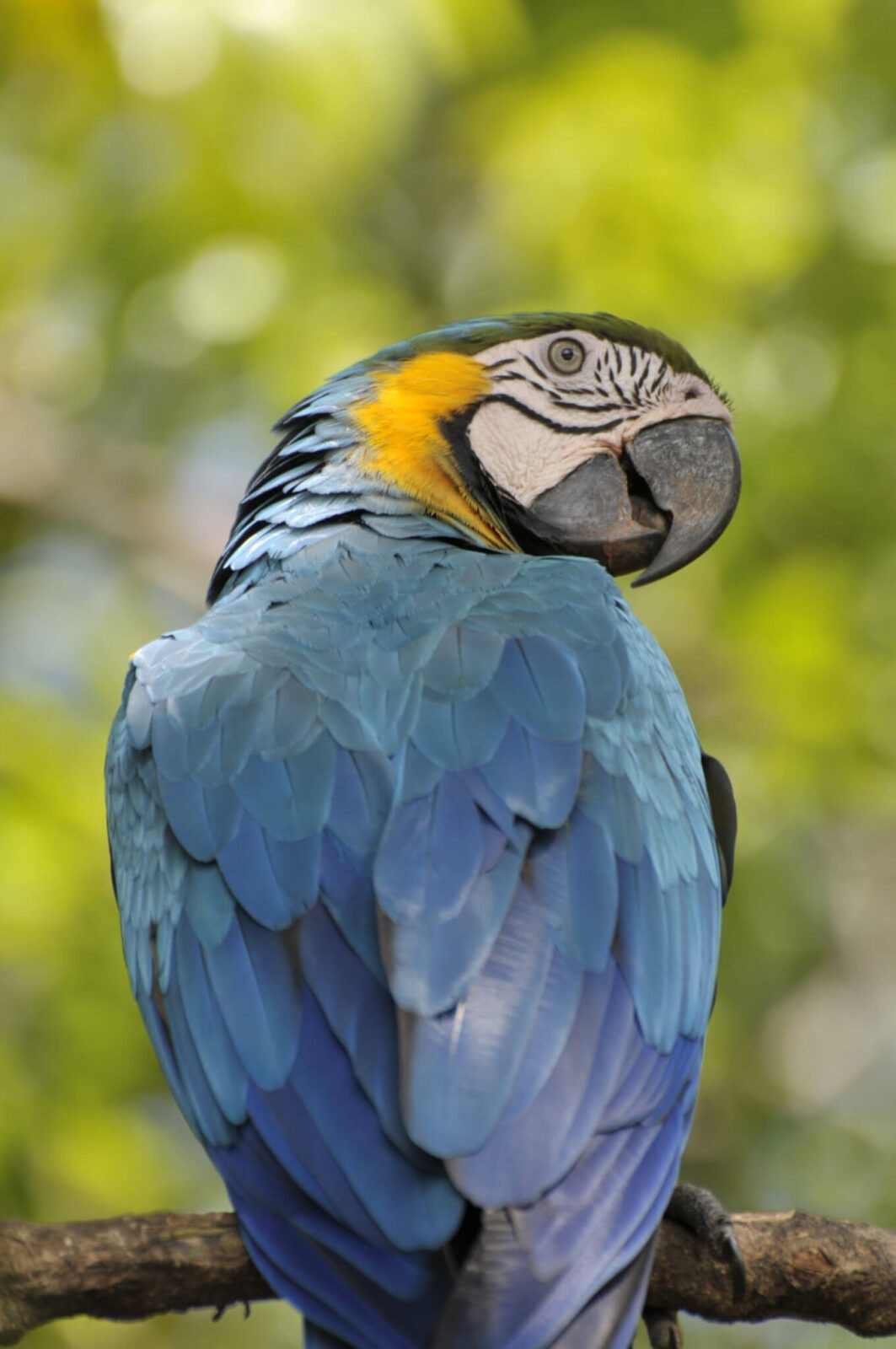
Blue-and-gold macaw (Ara ararauna) at Natuwa’s macaw sanctuary
Blue-and-gold macaw (Ara ararauna).

A home for the sanctuary’s birds

These exotic species cannot be released in Costa Rica, as their release would pose ecological risks to native species and local habitats.

When these birds cannot return to the wild, Natuwa gives them a home. The team looks after their health and provides the food they need. In their enclosures, they can move around and forage as they would in the wild.

Each bird can live with the care it needs.

Which birds live here and what puts them at risk

Birds from other countries

The birds that live here include the following.

  • The blue-and-gold macaw (Ara ararauna) comes from South America.
  • The sun conure (Aratinga solstitialis) has bright orange feathers.
  • The hyacinth macaw (Anodorhynchus hyacinthinus) comes from the Amazon.
  • The eclectus parrot (Eclectus roratus) comes from Australia.
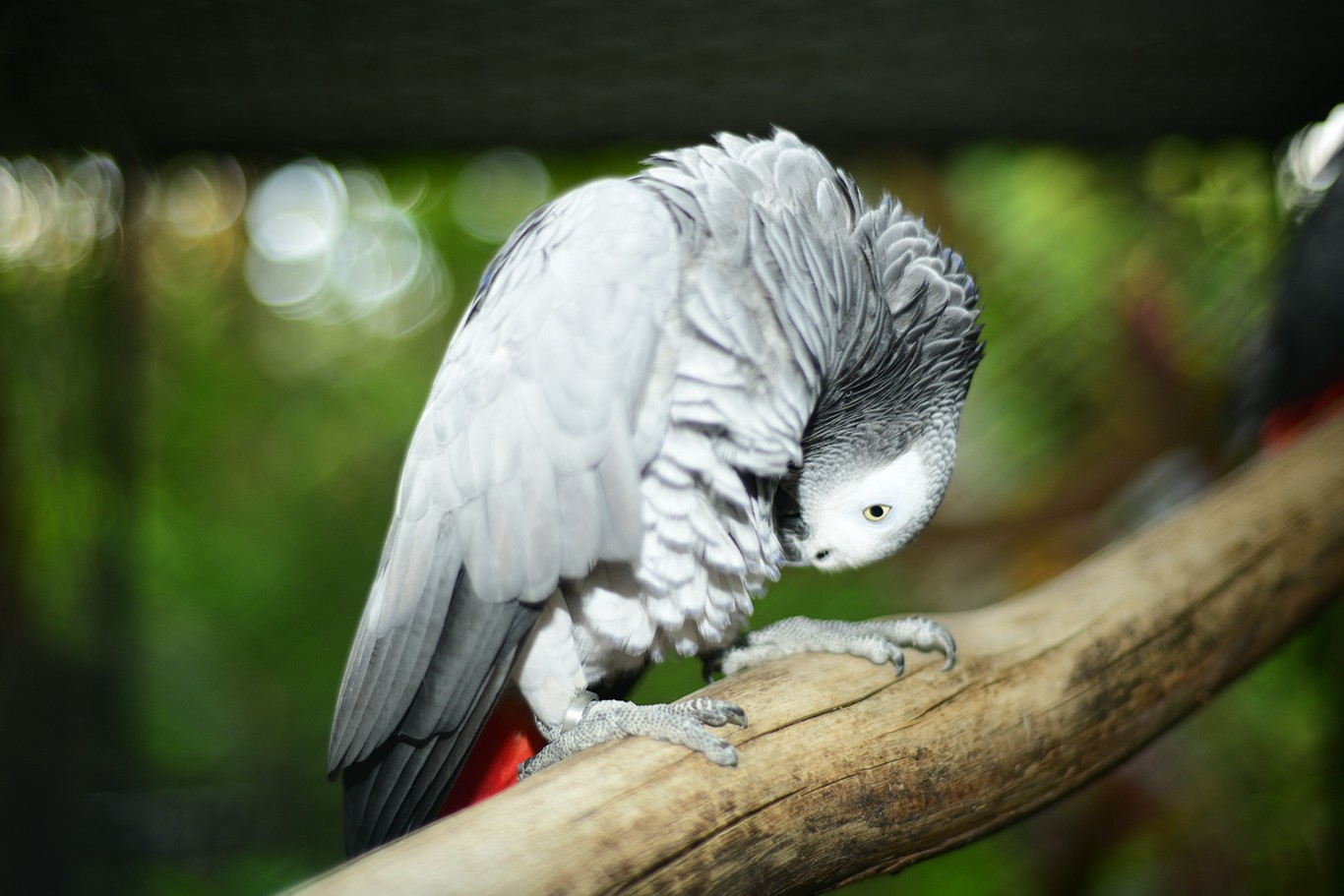
  • And the African grey parrot (Psittacus erithacus) comes from Africa.

What puts parrots and macaws at risk

In their countries of origin, these birds face several threats.

  • Some people take chicks from nests to sell them as pets.
  • Tree felling reduces the forest where they live.
  • Demand from other countries drives hunting and illegal trade.

As a result, some kinds of parrots are close to disappearing. At Natuwa, we tell their stories to teach people how we can care for these birds.

African grey parrot (Psittacus erithacus) at Natuwa’s macaw sanctuary
African grey parrot (Psittacus erithacus), one of the exotic species the sanctuary provides a home for.
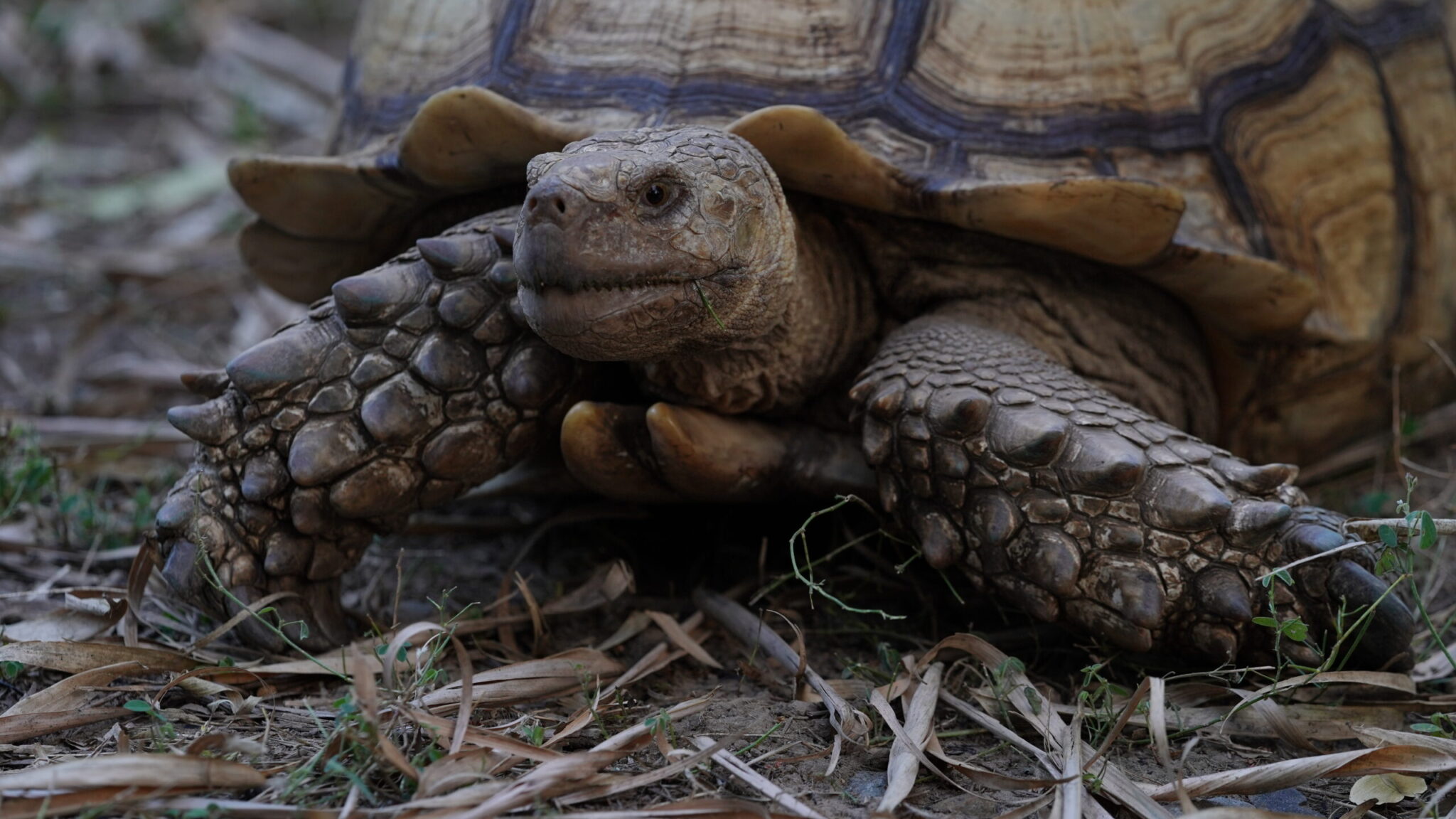
Zansón, Natuwa’s African spurred tortoise (Centrochelys sulcata)
Zansón, an African spurred tortoise (Centrochelys sulcata), brought into Costa Rica illegally. He is over 30 years old.

We also care for other animals from other countries

Some arrived after their owners abandoned them. At Natuwa, they receive care and can live alongside others of their species.

For example, African tortoises, Australian parrots and blue macaws live here. There are also marmosets, green-winged and hyacinth macaws, sun conures and red-footed tortoises.

The team also gives them space to move around. This helps visitors to Natuwa learn how to care for wildlife.

Caring also means sharing

The forest and the community

We also work with communities to care for nature. The team teaches, studies the animals and helps the forest grow back.
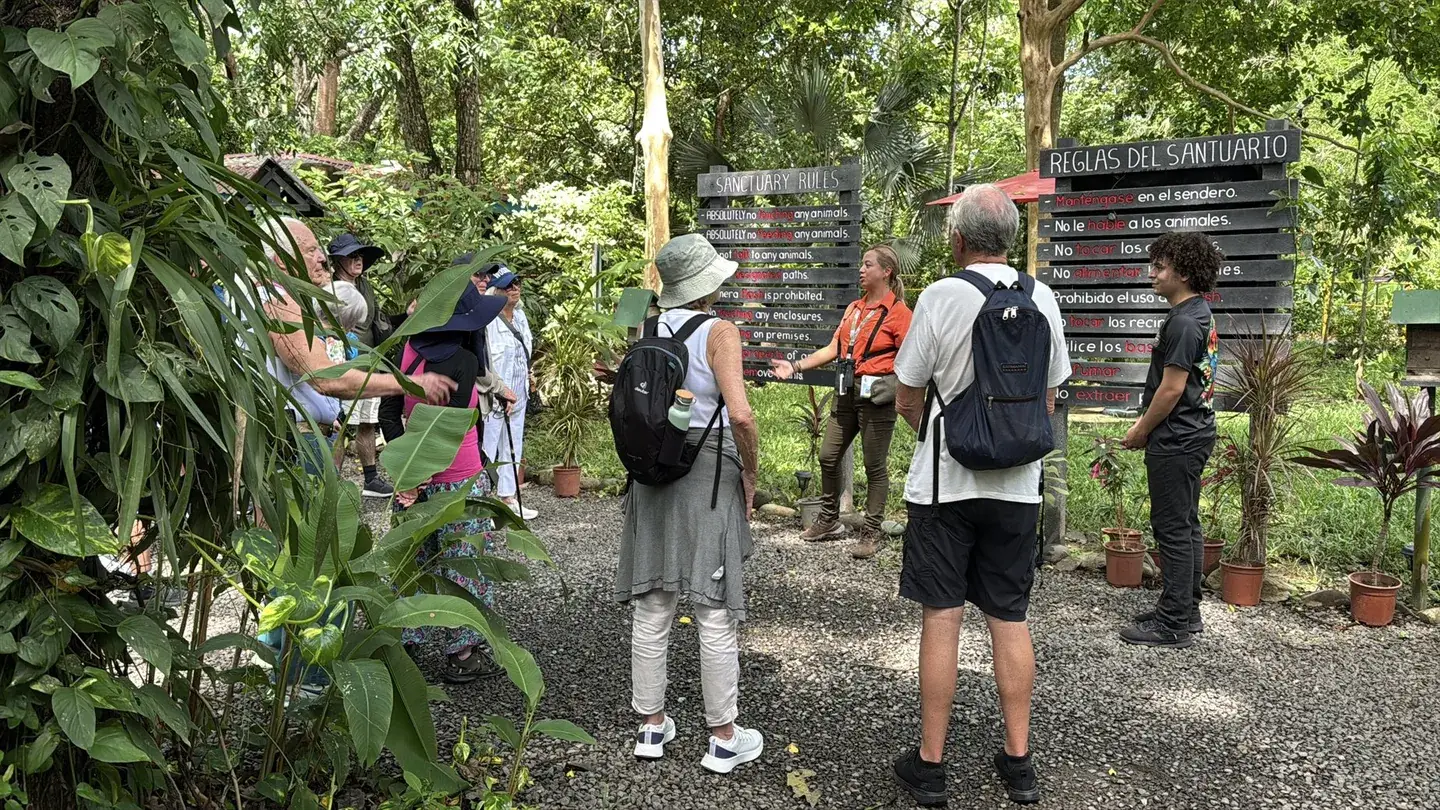
Visitors on a guided ecotourism tour in Costa Rica at NATUWA Sanctuary.
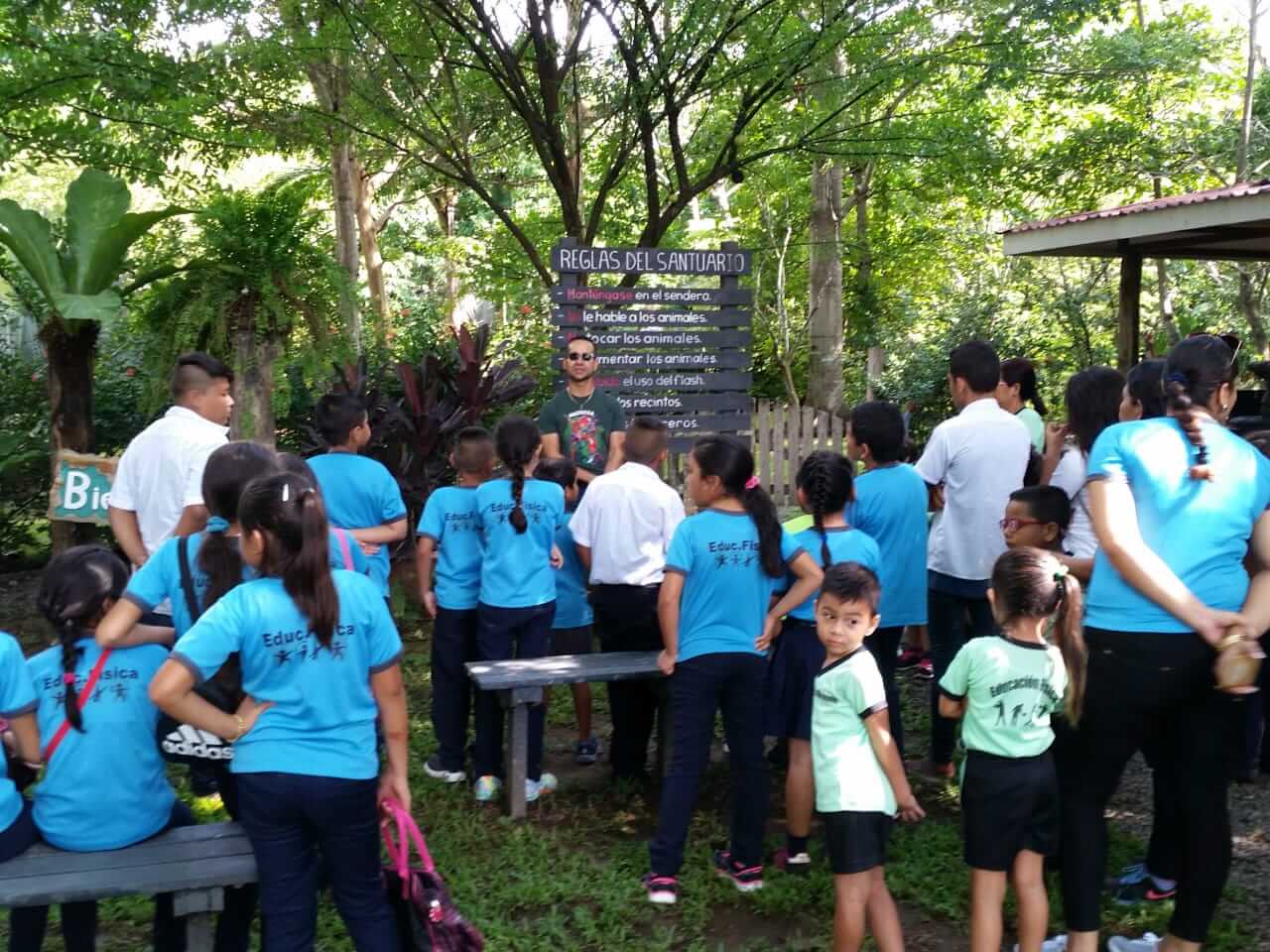
Schools from the Aranjuez community enjoy our Environmental Education Program.
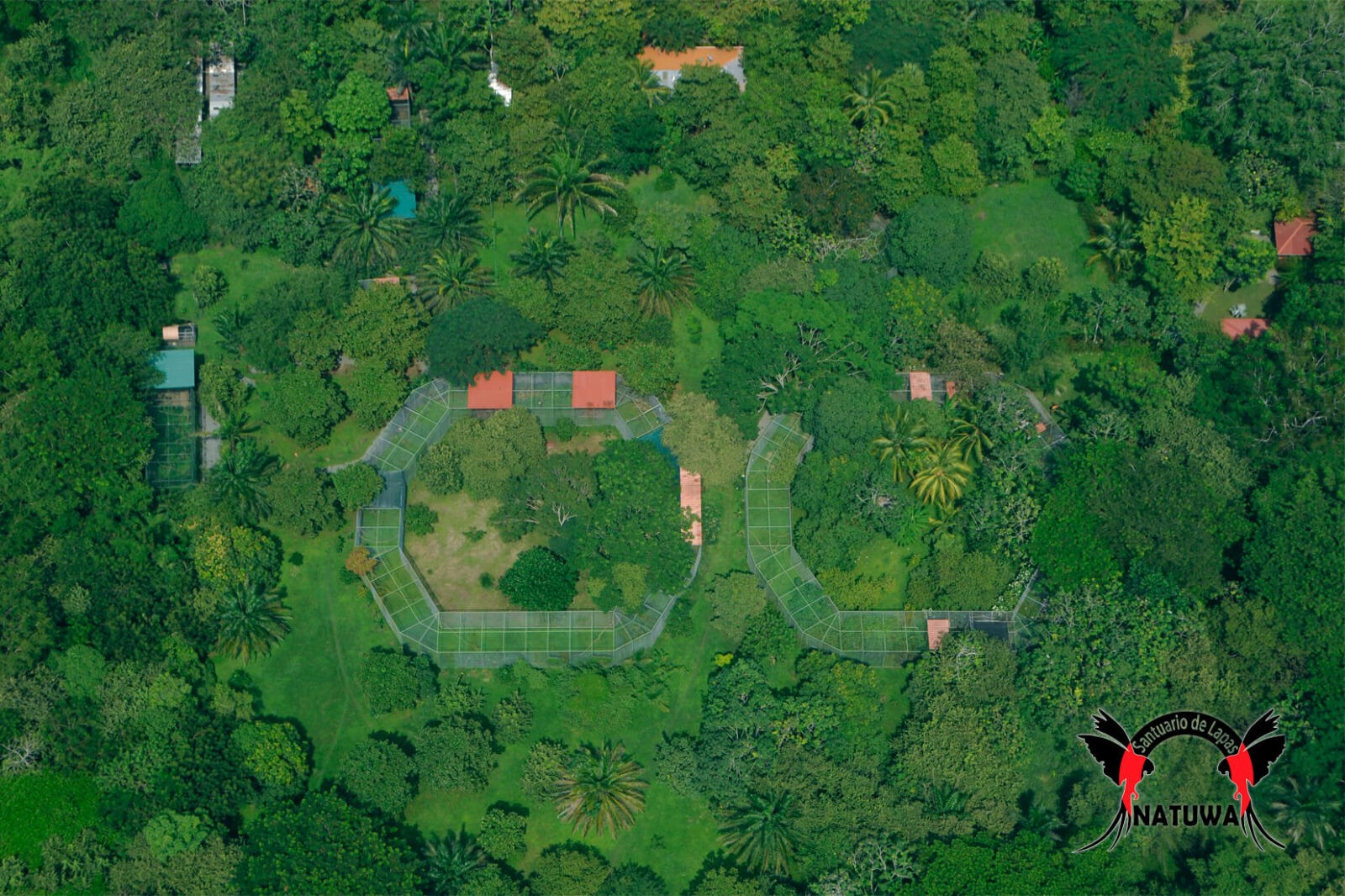
Aerial view of NATUWA Sanctuary and the surrounding forest
Aerial view of the sanctuary and forest · NATUWA archive.
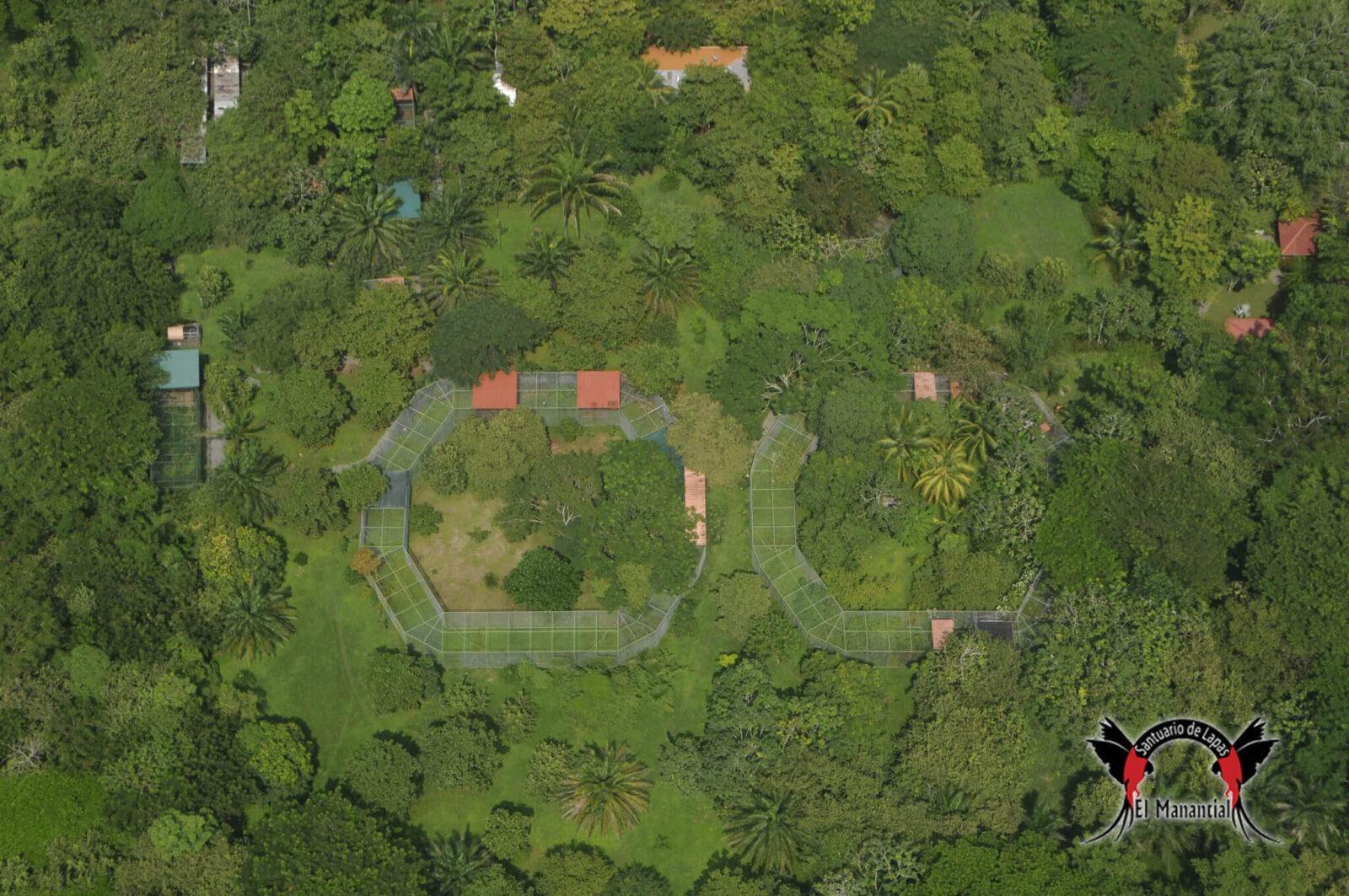
Aerial view of NATUWA Sanctuary and the surrounding forest
Aerial view of the sanctuary and forest · NATUWA archive.

Ecological restoration

Natuwa is in a quiet area, far from the noise of the city. Here, animals find a safe place.

Since 2001, Natuwa has worked to restore the forest and provide shelter for wildlife. In its 15 hectares of tropical forest, animals find food, water and protection.

The team also has facilities for rescuing and caring for animals and helping them recover.

Three ways to get involved

Join NATUWA’s work

Explore our programs and find out how you can help care for wildlife.

Volunteer team
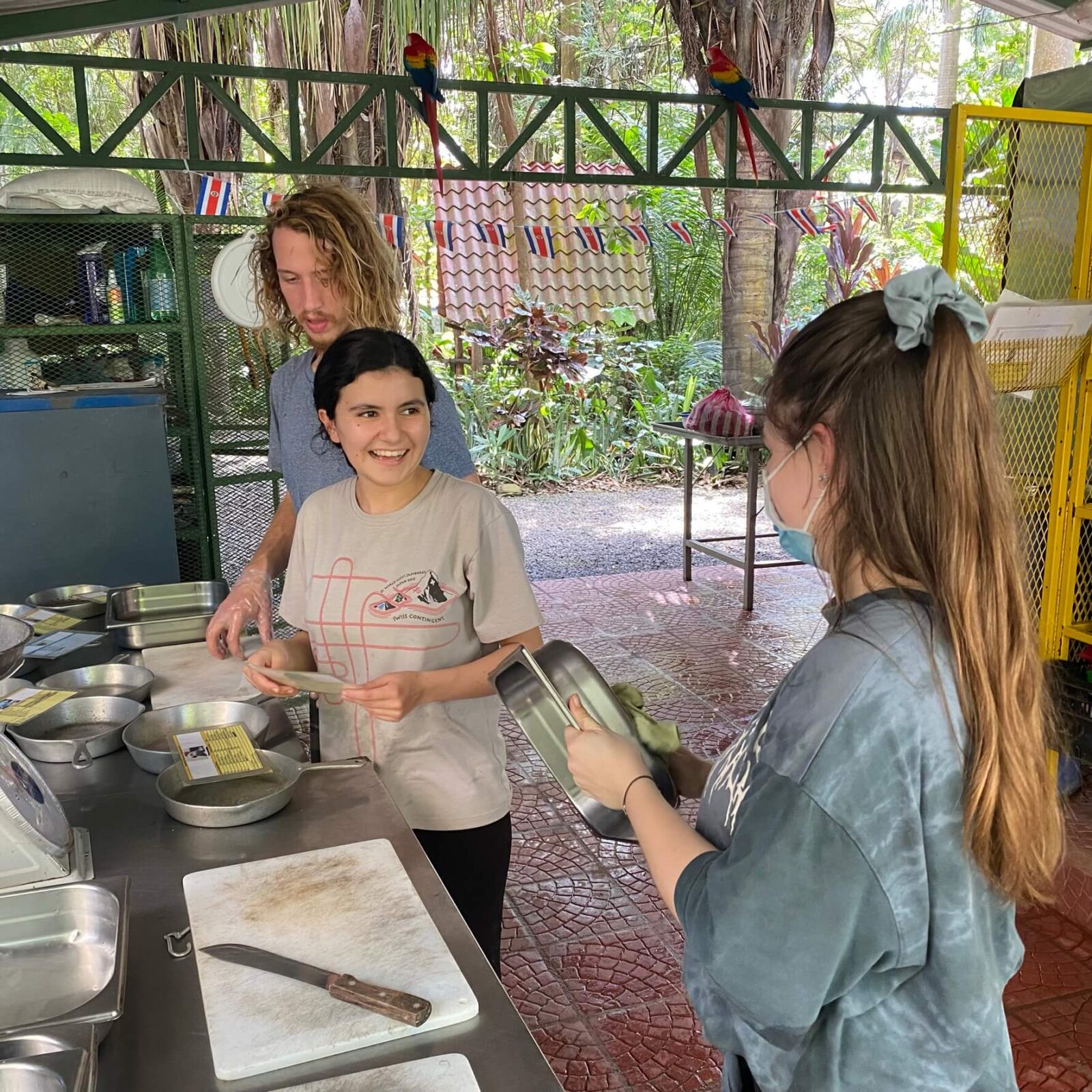
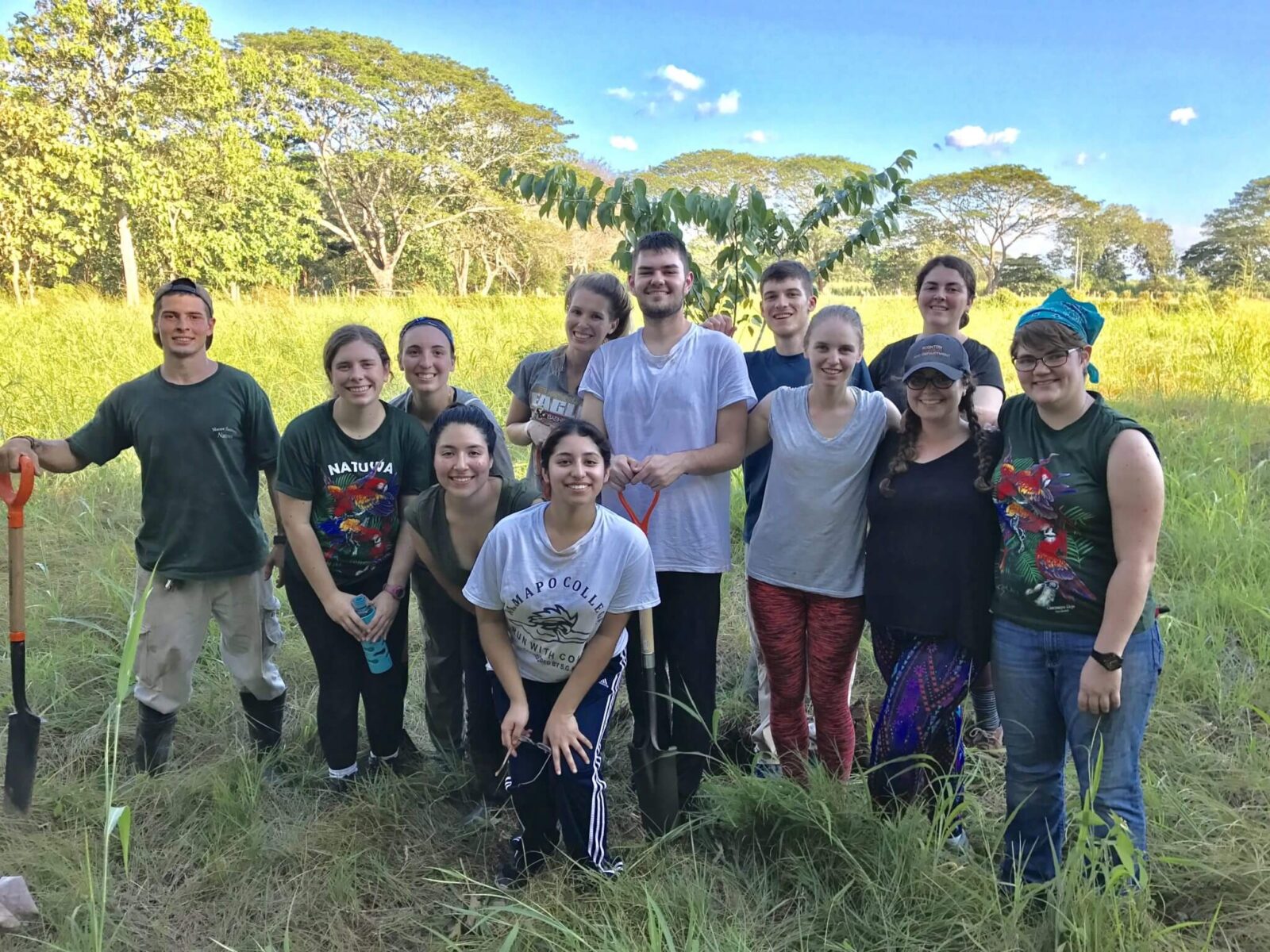
NATUWA’s volunteer team.

Volunteering

Join the team and help with the animals’ daily care.

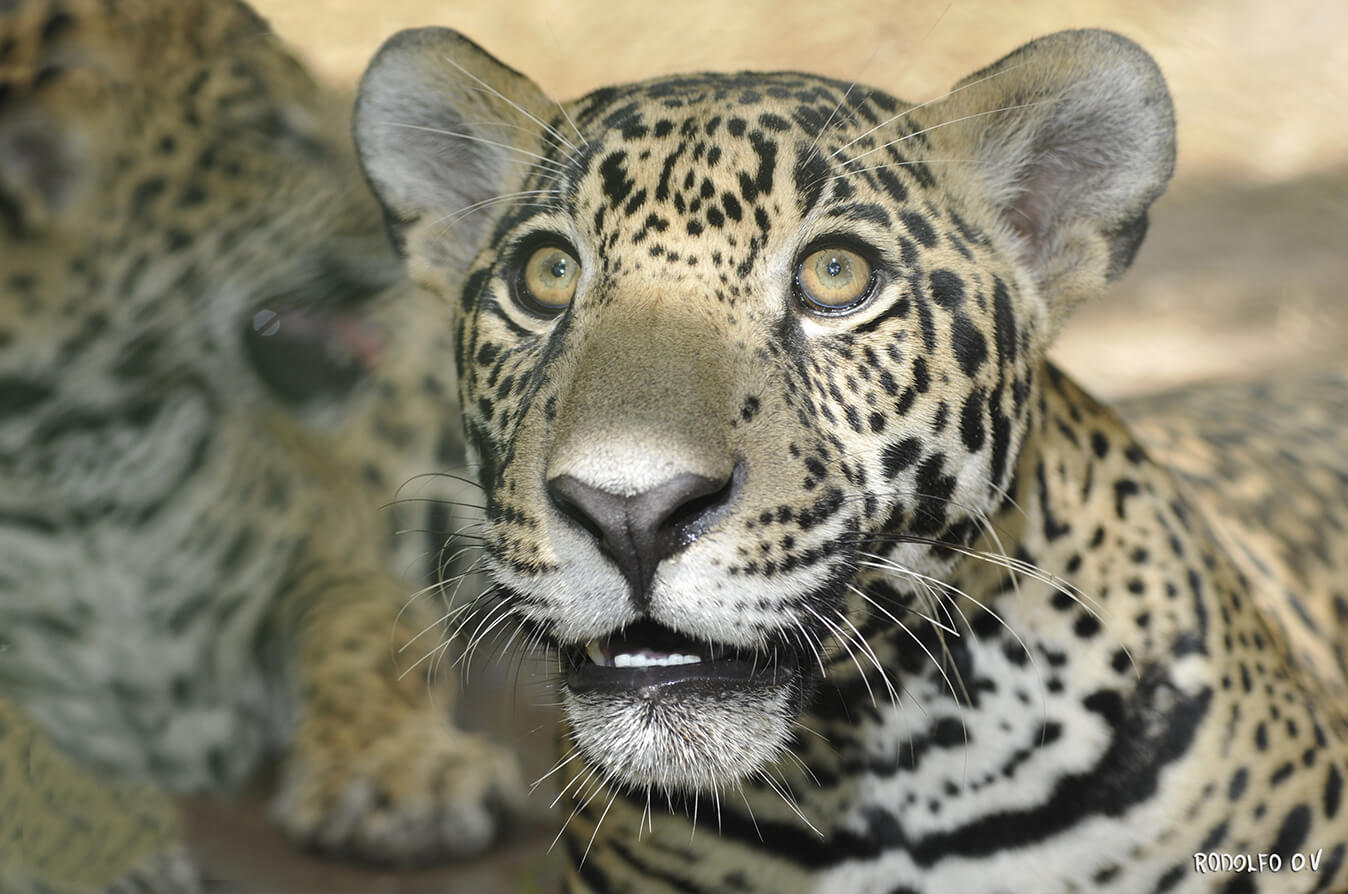
Jaguar portrait from the Biology card
Jaguar · NATUWA photo archive.

Support the sanctuary

Your support sustains their care

Your donation helps sustain the care of the animals living under our protection.

Visitor reviews

What our visitors say

Experiences in Aranjuez and Monteverde, shared by our visitors on Tripadvisor.

Tripadvisor
HIGHLY recommended for seeing little animals up closeIt should be made clear that there are two NATUWA centers: one in Aranjuez, which has been running longer, and another in Monteverde, which, I was told, has been there for a couple of years. I have been to both. First to the one in Monteverde, where at the moment they only have two-toed sloths, a pair of jaguars and a tapir. Then, on the way to Manuel Antonio, we passed the one in Aranjuez and stopped to visit it too. Here they have more animals and more species. Both are great: the friendliness of the people running them, the guides, everything was perfect. At both I had the chance to see these animals very close up, always keeping a respectful distance. They have a rule that surprised me: you cannot talk to the animals. This is so they do not get used to the human voice and can be released when the time comes. I love that they emphasize releasing them when they are ready, if that is possible. It is not a zoo like the ones we are used to seeing in Europe.

English translation

Tripadvisor
Lovely placeI took the self-guided tour at a cost of ₡8000. The route is short, just 1.3 km. The animals look in good condition, and the facilities and trails are in good shape. The staff’s service at reception was excellent.

English translation

Tripadvisor
Good quality wildlife facilitiesI always scrutinize places like this very carefully, and in Costa Rica I am especially sensitive about sloths in managed care. We were pleasantly delighted with our experience at Natuwa in Monteverde, on the private tour. Our guide, Ariel, was able to provide details explaining why all the animals, jaguars and a tapir as well as the sloths, were there and why they could not be released. The enclosures were very large and well maintained. All my questions (there were so many) were answered patiently and thoroughly. While I appreciate the great lengths they go to in caring for the jaguars and tapir, if you want to save some money and spend less time, I would recommend the sloth garden. Any young children would need to be very well behaved, as the animals move around everywhere, some close to the ground.

English translation

Featured five-point reviews with comments. Read all reviews on Tripadvisor ↗

Visit our sanctuaries

Choose the location and tour that interest you most.