Environmental Education Program at Natuwa
Introduction
What Is Environmental Education?
Environmental education has several essential components:
- Awareness and sensitivity: Fostering awareness of and sensitivity to the environment and the challenges it faces.
- Knowledge and understanding: Helping people understand the environment and the issues affecting it.
- Attitudes: Encouraging people to care about the environment and to improve or maintain its quality.
- Skills: Building the ability to identify environmental problems and help solve them.
- Participation: Encouraging people to take part in activities that address environmental challenges.
Environmental education remains neutral about viewpoints and courses of action. It teaches people to critically evaluate different aspects of an environmental issue, develop problem-solving skills, and make informed decisions.
Costa Rica’s Natural Capital
Costa Rica’s natural capital includes all the biological wealth found in our seas and on land. This unique, finite treasure belongs to all Costa Ricans, and it is essential that we protect and restore it. Costa Rica’s biodiversity is a pillar of our national identity and a vital resource for the well-being of future generations.
Environmental education and scientific research are essential to raising environmental awareness and developing effective conservation strategies. At Natuwa, we believe education is our most powerful tool for protecting natural capital. Through Natuwa’s environmental education program, we aim to inform and empower people to become active advocates for the environment.
Educational Talks and Interpretive Trails
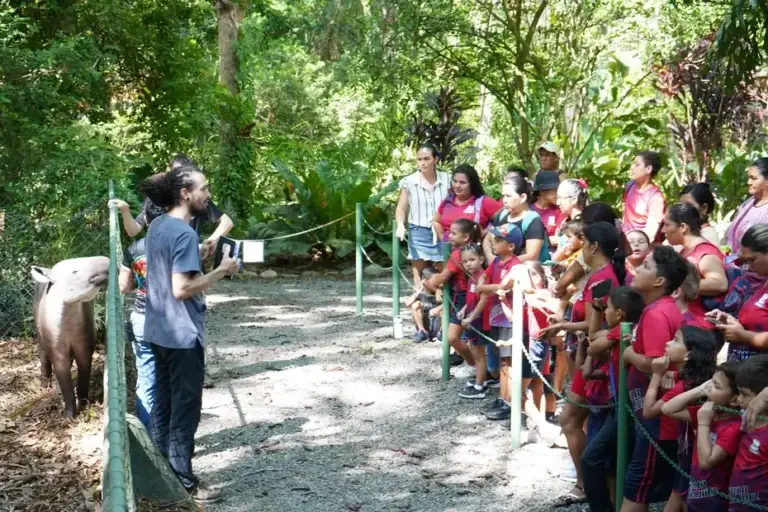
At Natuwa, our educational talks cover the wild animals in our care and explain how protecting soils, oceans, and forests benefits food and water security. The talks are designed to be informative and accessible, helping visitors see how different parts of the ecosystem are connected and why those connections matter for human health and well-being.
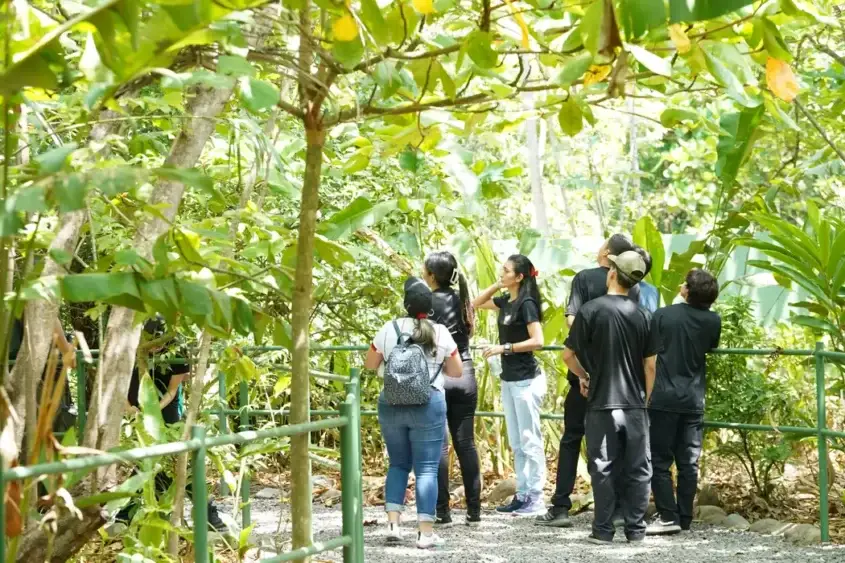
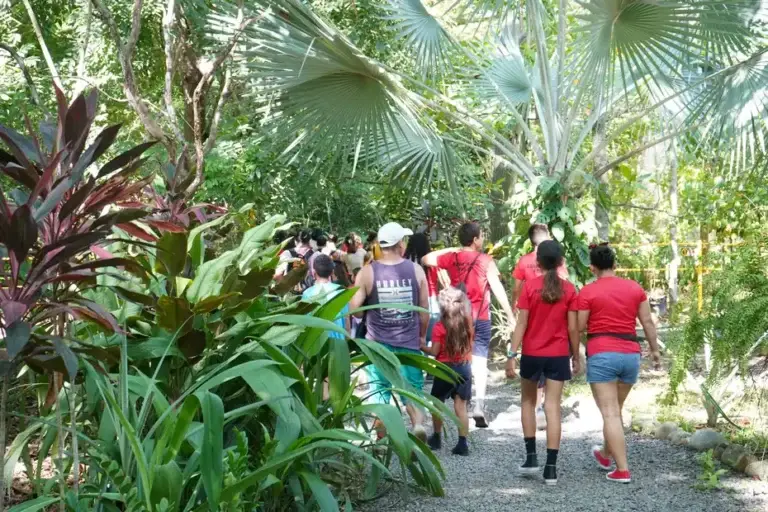
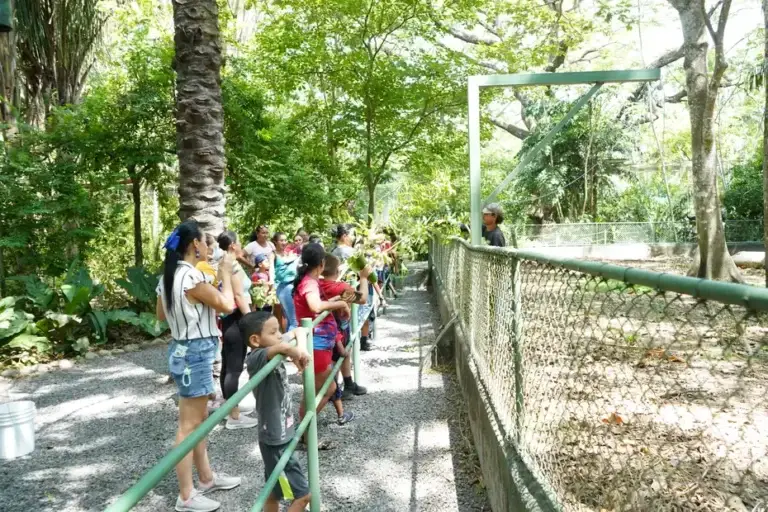
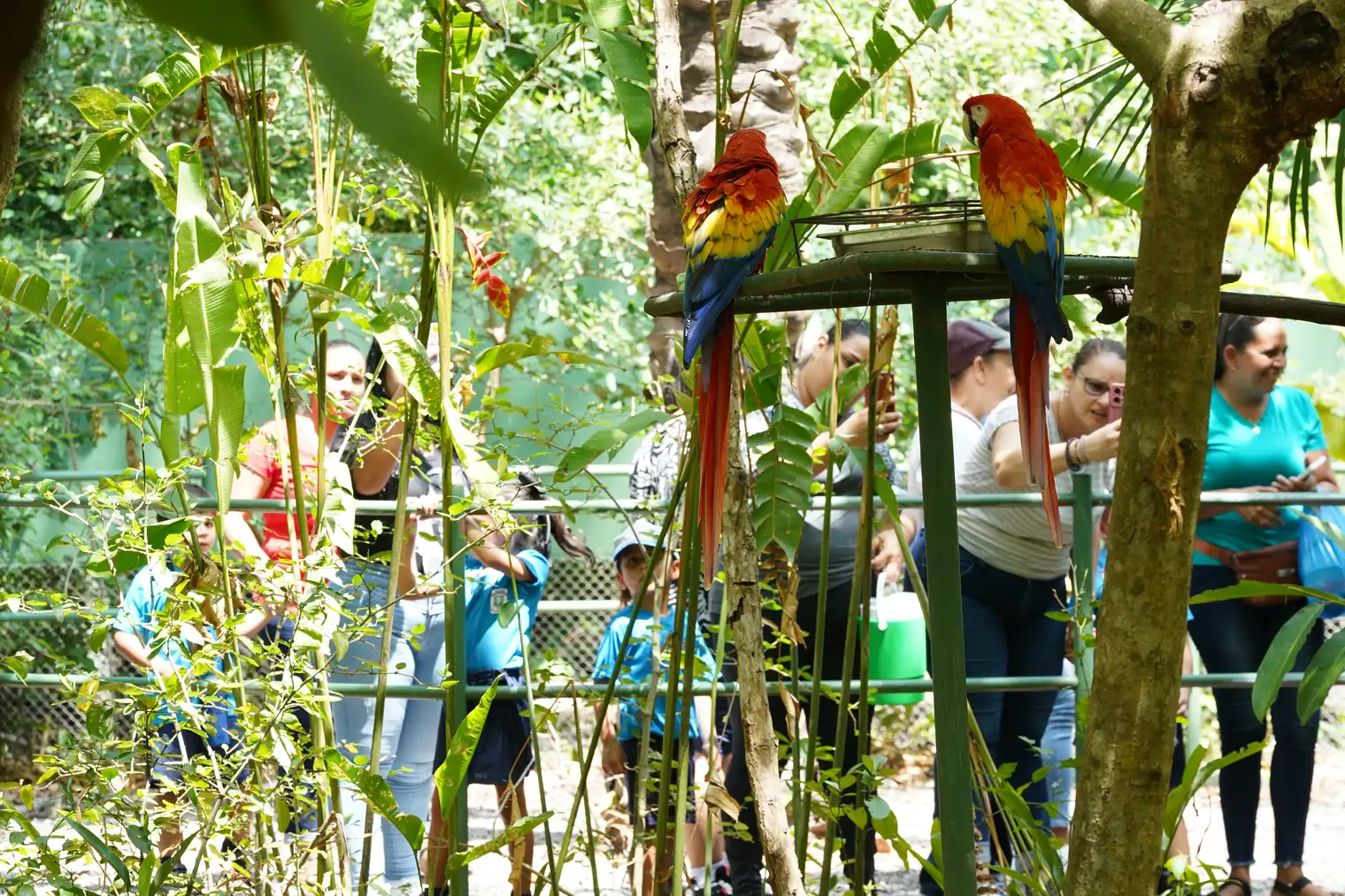
Our interpretive trails are an educational experience in their own right. Visitors spend about two hours on the trails with experienced environmental guides. The guides explain the natural surroundings and describe the behavior, habits, and ecological relationships of the species visitors encounter along the way. This outdoor classroom helps people connect more deeply with nature and see ecological concepts in practice.
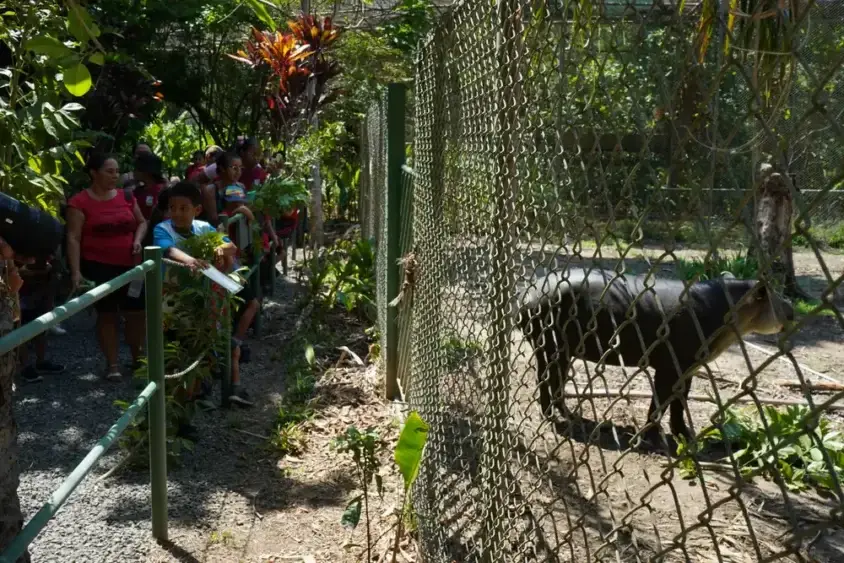
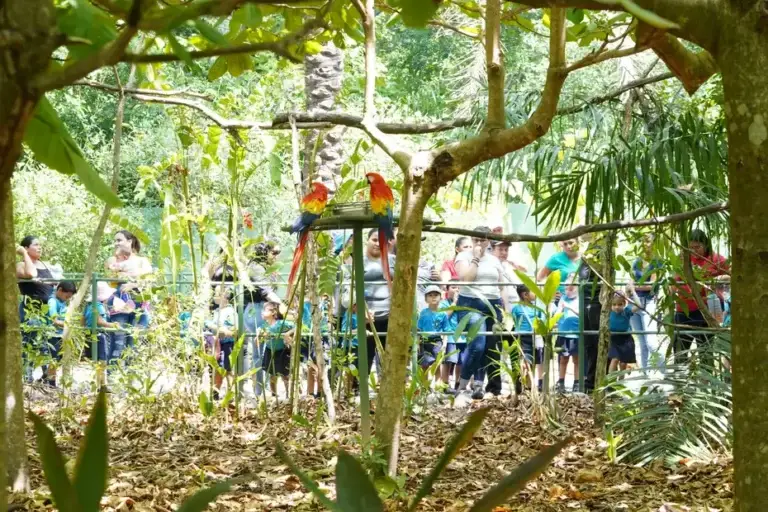
Along the way, visitors can see our wildlife rescue and conservation work up close. This includes rehabilitating injured or rescued animals and using sustainable practices to protect their natural habitats. Visitors leave with an enjoyable experience in nature and a lasting message about why conservation matters.
Working with Schools
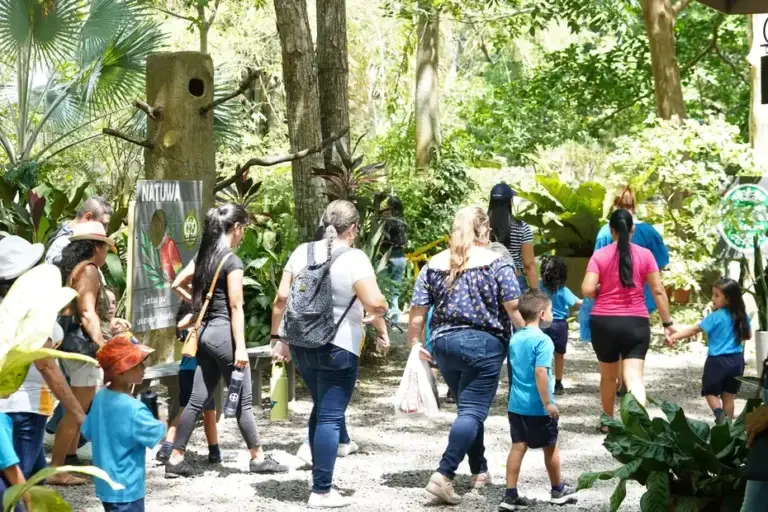
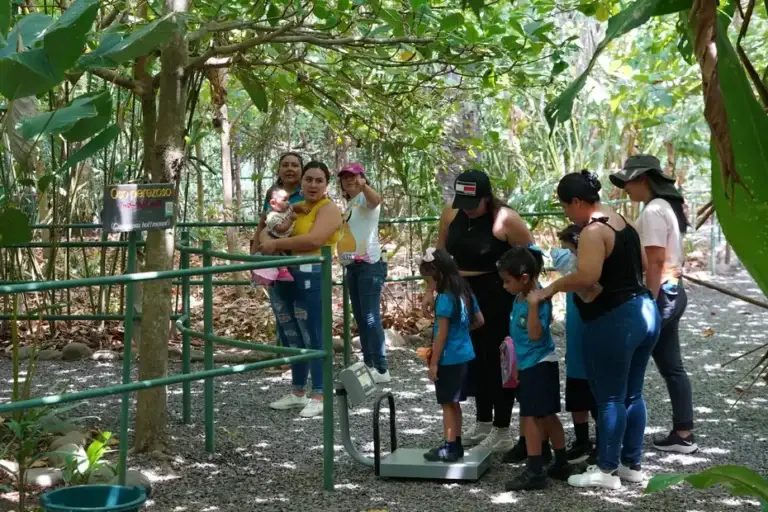
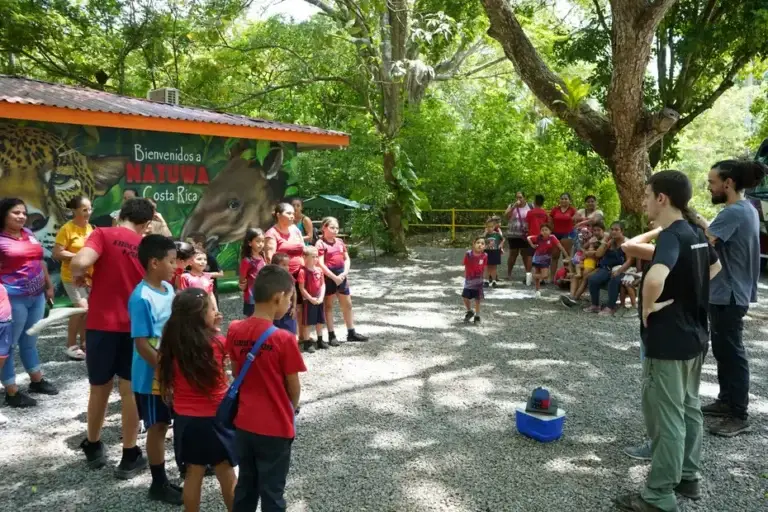
At Natuwa, we firmly believe that the education community has an important role in our conservation work. We give talks to children at local schools and welcome school groups to the sanctuary. These activities help build environmental awareness from an early age.
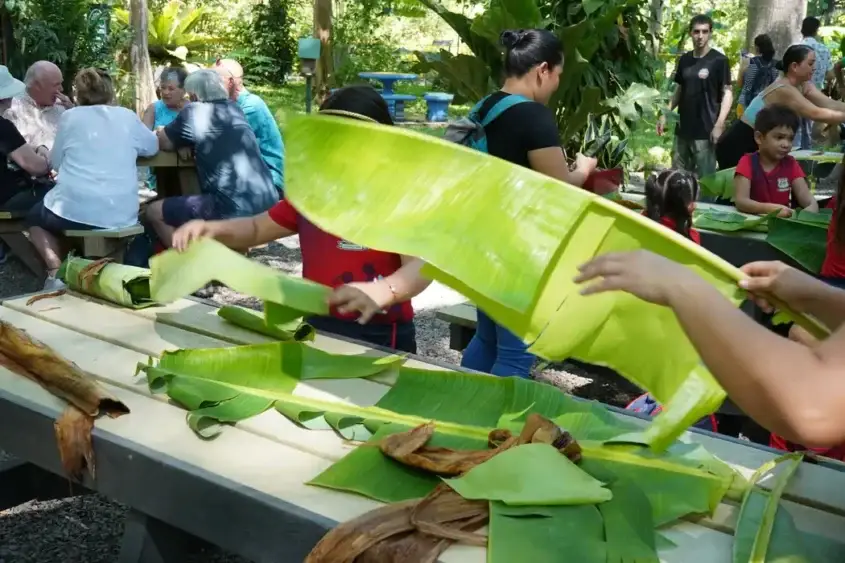
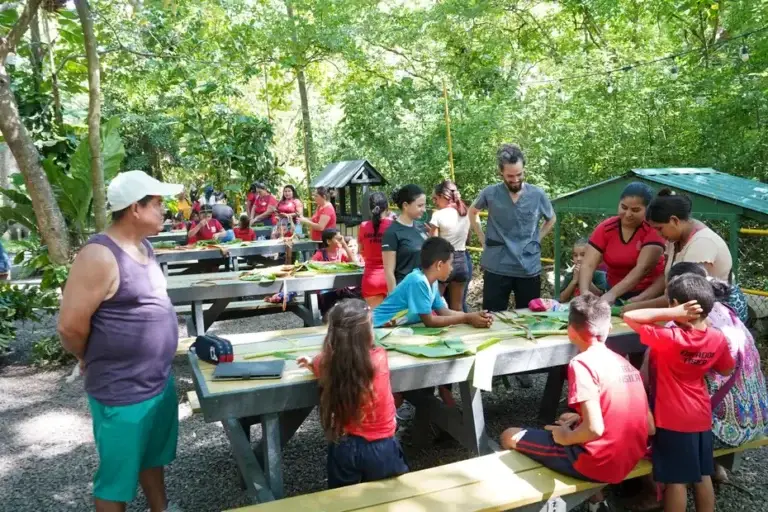
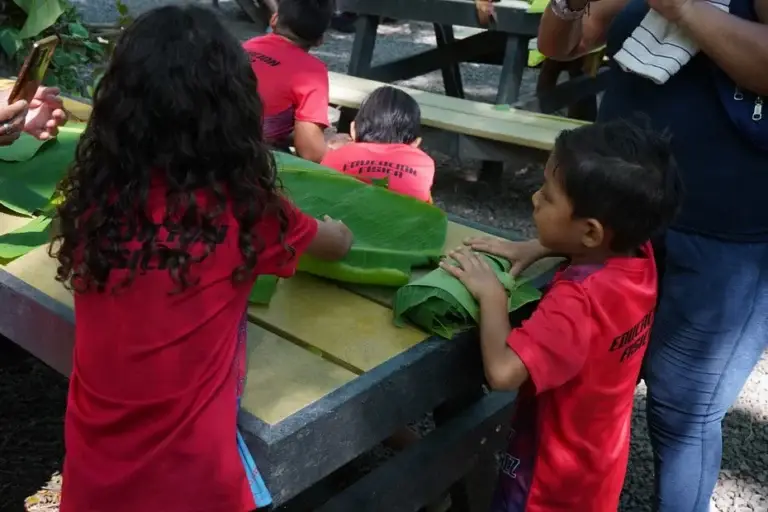
Our school talks are designed to be interactive and engaging. We use visual materials and hands-on activities to help students understand ecological concepts. We cover biodiversity, the importance of healthy ecosystems, and the threats facing wildlife. We also emphasize how individuals and communities can help protect the environment.
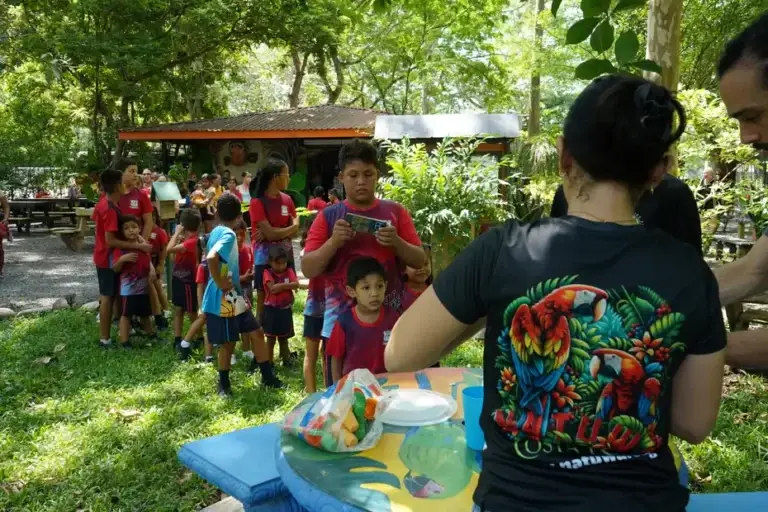
School groups that visit Natuwa have a unique opportunity to learn. Students can explore our interpretive trails, talk with our environmental guides, and observe the animals in our care. By seeing our conservation and rescue efforts firsthand, students gain a clearer understanding of why protecting our natural capital matters.
Wildlife Conservation Field Trips at NATUWA Aranjuez
Planning a school field trip in Costa Rica? Bring your students to NATUWA’s wildlife sanctuary in Aranjuez de Pitahaya, Puntarenas. On a guided walk along the sanctuary’s interpretive trails, students can observe wildlife in our care and learn how caring for rescued animals and protecting their habitats contribute to conservation in Costa Rica.
To plan your visit, send our reservations team your school or organization name, preferred date, number of students, and number of accompanying adults. If your group needs a particular tour language, include that in your message. The team can confirm available dates, tour length, group capacity, and guide language.
Environmental Education in Photos


University Partnerships and Research Programs
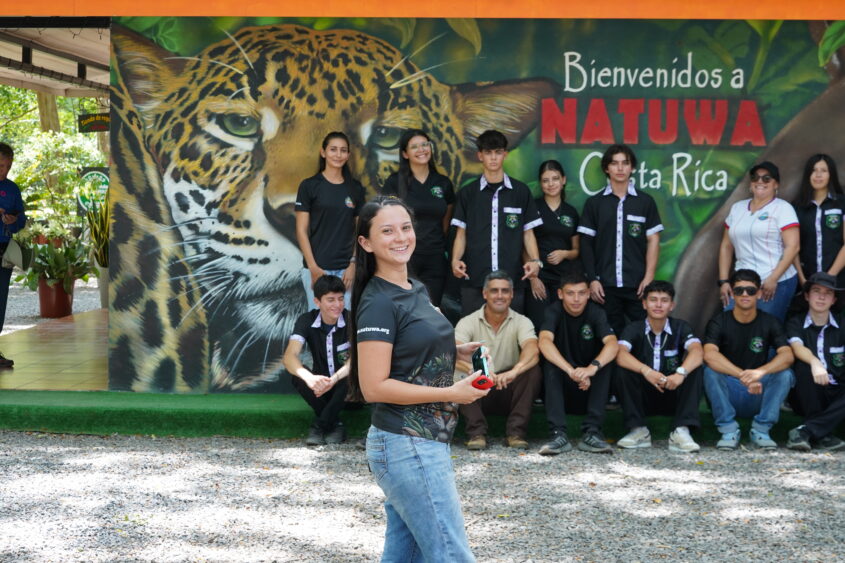
Schools and universities in Costa Rica and abroad are an important part of the Environmental Education Program at Natuwa. These institutions work with us on scientific research to improve animal welfare and conserve species. Research is central to our conservation efforts because it provides the data and knowledge we need to make informed decisions and take effective action.
We work closely with our university partners to design and carry out studies on key questions in ecology and conservation. These studies include monitoring populations of endangered species, assessing the environmental impact of human activities, and identifying effective conservation strategies. University students can also take part in field projects, gaining practical experience and developing the skills of the next generation of scientists and conservationists.
On July 13, 2015, the Municipal Council of the Central Canton of Puntarenas declared Natuwa a site of educational, cultural, scientific, and tourism interest. This distinction reflects our commitment to education and conservation and encourages us to expand our initiatives and partnerships so we can make a greater impact.
Volunteer Program
Our volunteer program is an essential part of what we do at Natuwa. Volunteers from Costa Rica and abroad join us on a range of conservation and education projects. They play a vital role in building an understanding of biodiversity in the communities near Natuwa and help spread awareness of the importance of conservation.
The volunteer program gives participants the opportunity to take an active role in our daily work. This includes caring for animals, rehabilitating rescued wildlife, maintaining habitats, and taking part in educational programs. Volunteers also help organize community events and carry out long-term conservation initiatives.
We also work closely with Costa Rica’s National System of Conservation Areas (SINAC). This partnership strengthens our initiatives and helps ensure that our work aligns with national conservation policies and goals. Our international collaboration with SINAC helps us advance our education and conservation work.

Conservation Medicine
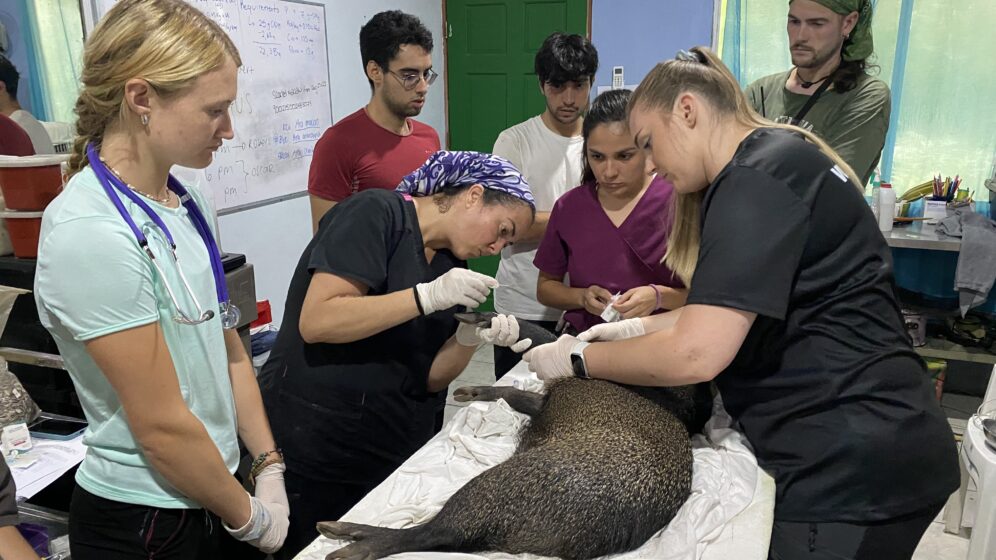
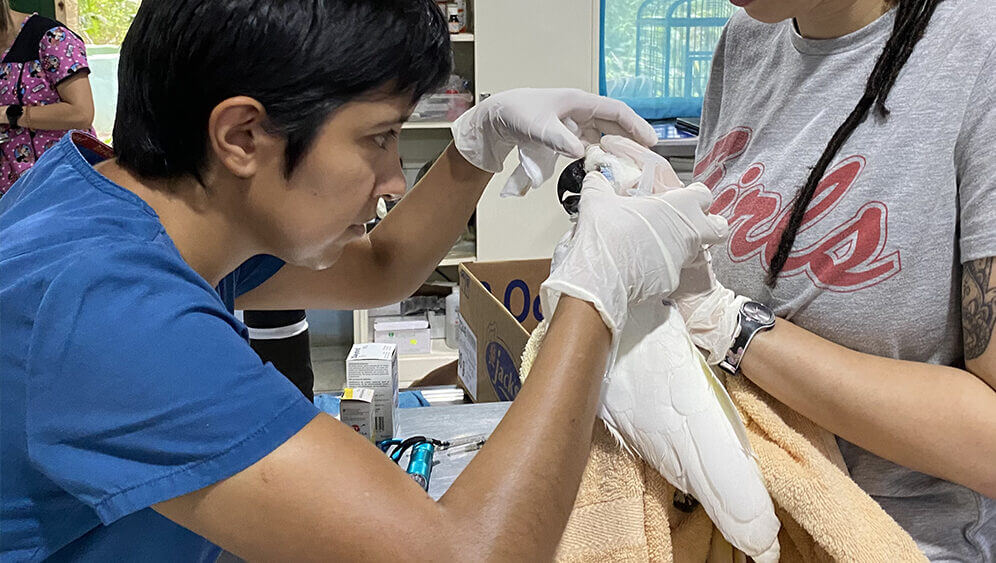
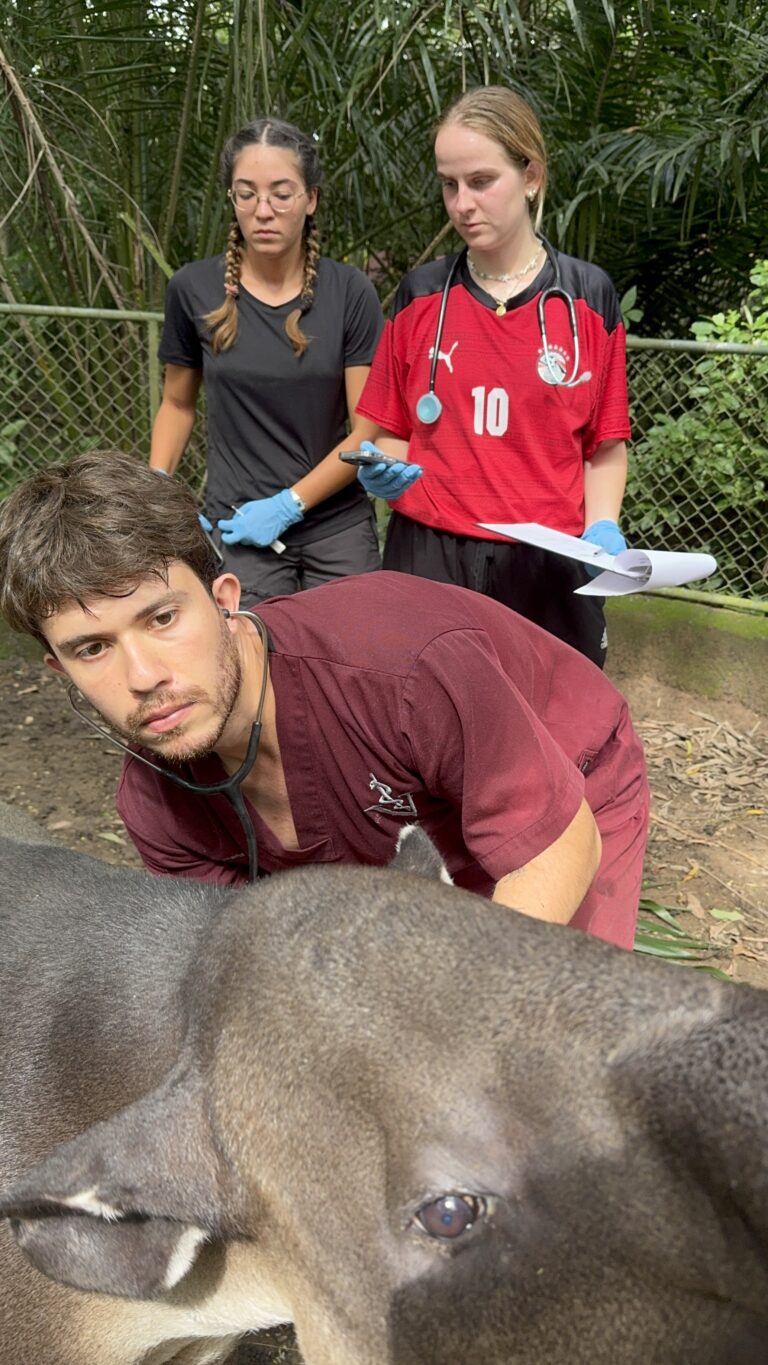
In NATUWA’s veterinary internship, interns work alongside the sanctuary team to care for wild animals. Under veterinary supervision, they take part in clinical evaluations and preventive care that support the well-being of the wildlife in our care.


Conclusion
The Environmental Education Program at Natuwa is a comprehensive initiative that aims to teach visitors about the challenges facing wild animals and encourage research and collaboration with a range of institutions. Through educational talks, interpretive trails, partnerships with schools and universities, and an active volunteer program, we work to build lasting environmental awareness and protect our biodiversity.
We believe education is essential to a sustainable future. We are committed to developing and expanding our initiatives so we can reach more people and promote a deeper understanding of the importance of conservation. We invite everyone to join our efforts to protect our natural capital.