Ecotourism · Puntarenas

Ecotourism in Costa Rica with NATUWA

Experience ecotourism in Costa Rica on NATUWA’s trails and at its observation stations. Along the way, you’ll discover the biodiversity of the Neotropics, meet the animals in our care, and learn about the people who make that work possible.

Walk through the sanctuary. Discover what your visit makes possible.

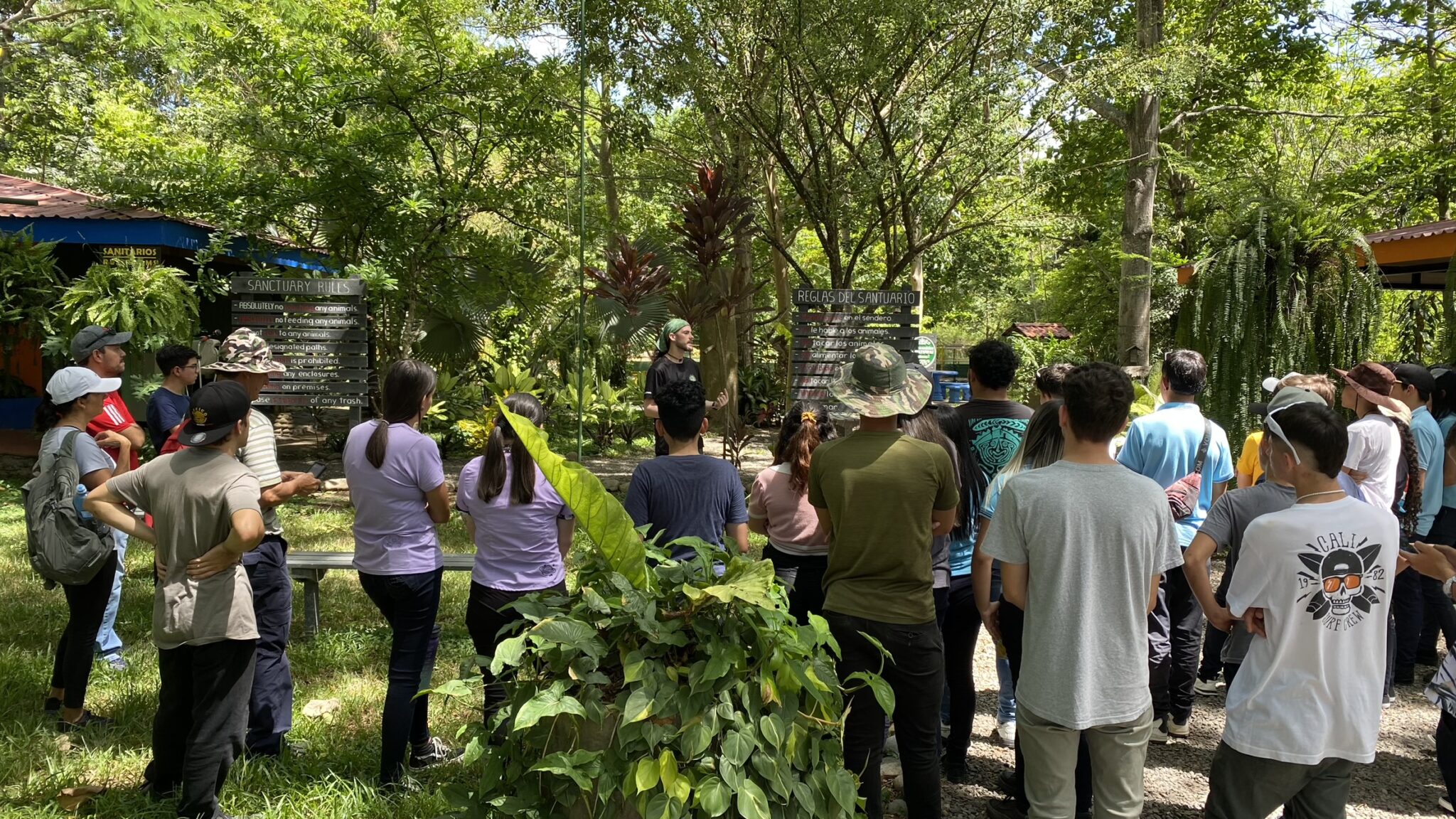
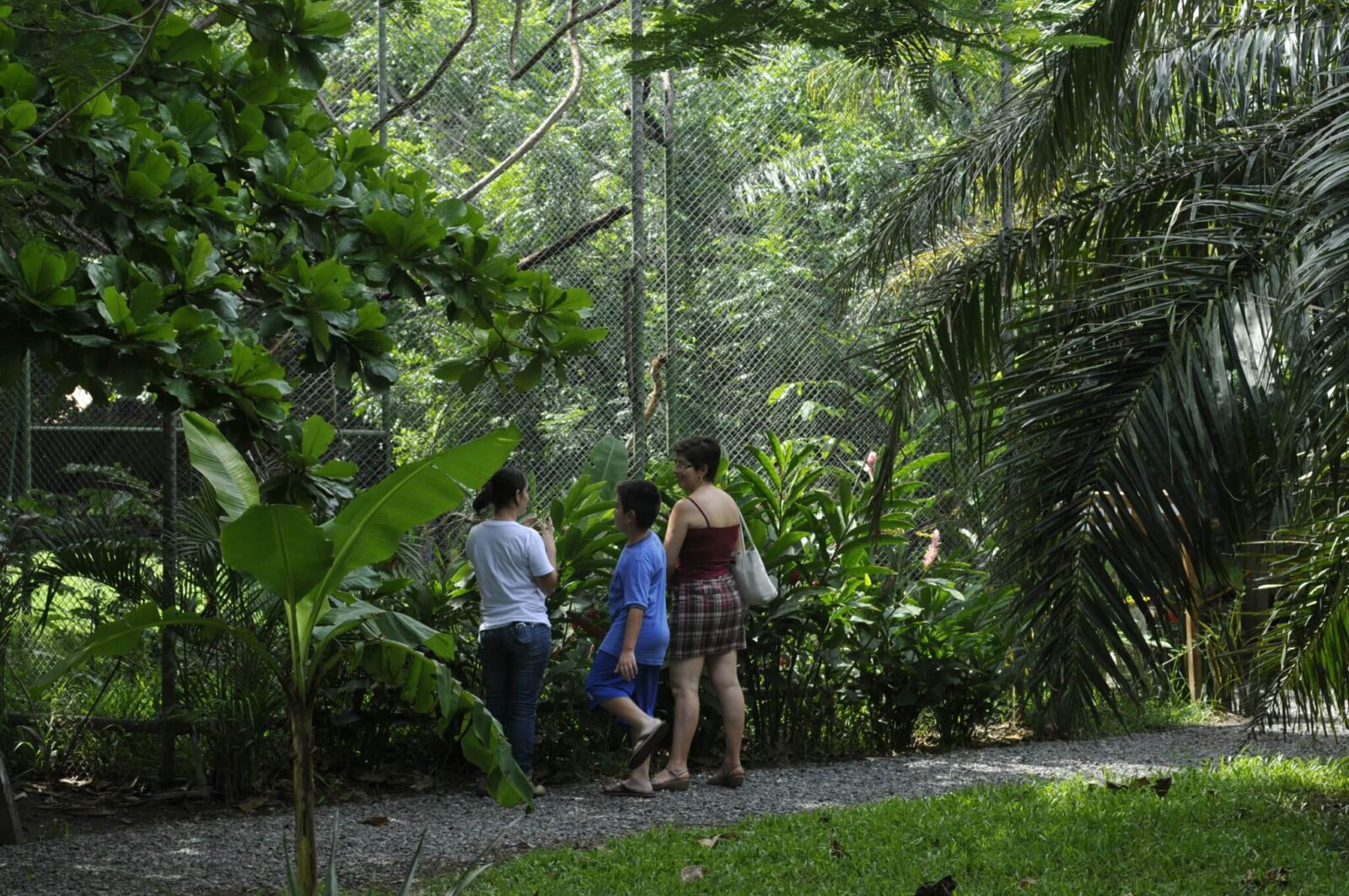
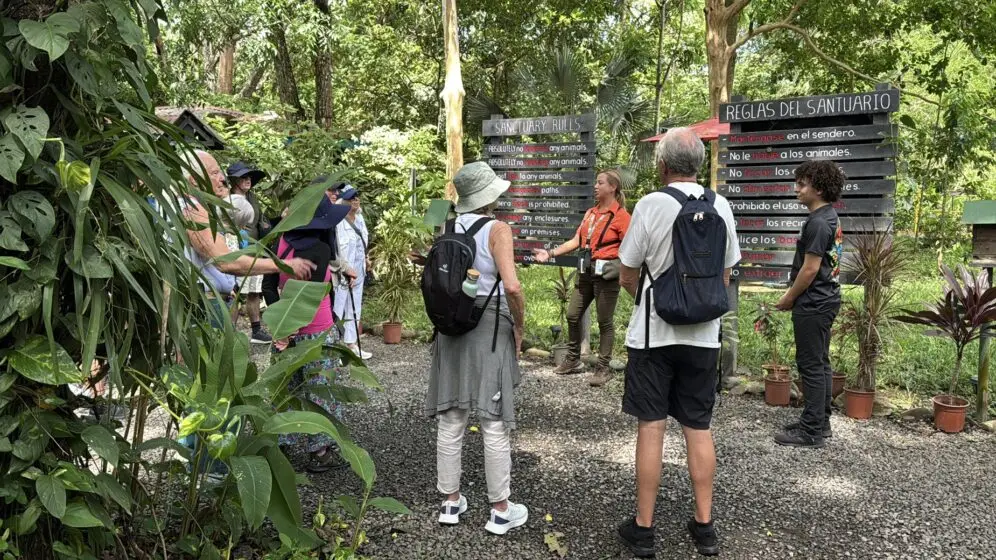
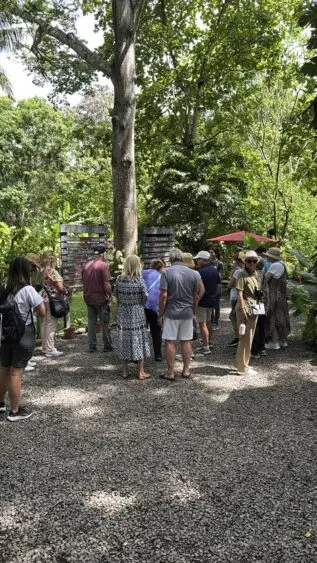
A guide talks with visitors at the start of an ecotourism walk at NATUWA Aranjuez, Costa Rica.
01 · Choose your visit

Two sanctuaries for experiencing ecotourism in Costa Rica

Aranjuez de Pitahaya and Monteverde are both in Puntarenas. Each sanctuary offers different tours and has its own booking team.

Aranjuez de Pitahaya · Puntarenas

NATUWA Aranjuez

Explore the sanctuary with a guide, book a private tour for your group, or take a self-guided visit using the maps and trail signs.

Aranjuez visiting hours

Monday through Sunday.

  • Guided tour. 8:00, 9:30, and 11:00 a.m. and 1:30 p.m.
  • Private tour. Advance booking required. 10:00 a.m. and 1:30 p.m.
  • Self-guided visit. 8:00 a.m.–noon and 1:00–4:00 p.m.

Admission rates

Costa Rican nationals
Guided tour₡10,000
Private tour₡15,000
Self-guided visit₡8,000
Children ages 3–5₡4,000
Older adults₡6,000
Student groups (guided visit)₡6,000
International visitors
Guided tourUSD 45
Private tourUSD 50
Self-guided visitUSD 38
Children ages 3–5USD 20
Monteverde · Puntarenas

NATUWA Monteverde

Choose the full sanctuary tour to learn about our work with sloths, tapirs, and jaguars, or visit the Sloth Garden to observe at a quiet pace and learn how sloths live and why they need habitats suited to them.

Monteverde visiting hours

Monday through Sunday. Both the Full Sanctuary Tour and the Sloth Garden tour depart at 8:00, 9:30, and 11:00 a.m. and at 1:00, 2:30, and 3:30 p.m. Choose your tour when you book.

The office closes at 4:00 p.m. The 3:30 p.m. group continues its tour.

Admission rates

Costa Rican nationals
Full Sanctuary TourUSD 30
Sloth GardenUSD 25
International visitors
Full Sanctuary TourUSD 38
Sloth GardenUSD 30
Children ages 3–5USD 25
02 · The tour
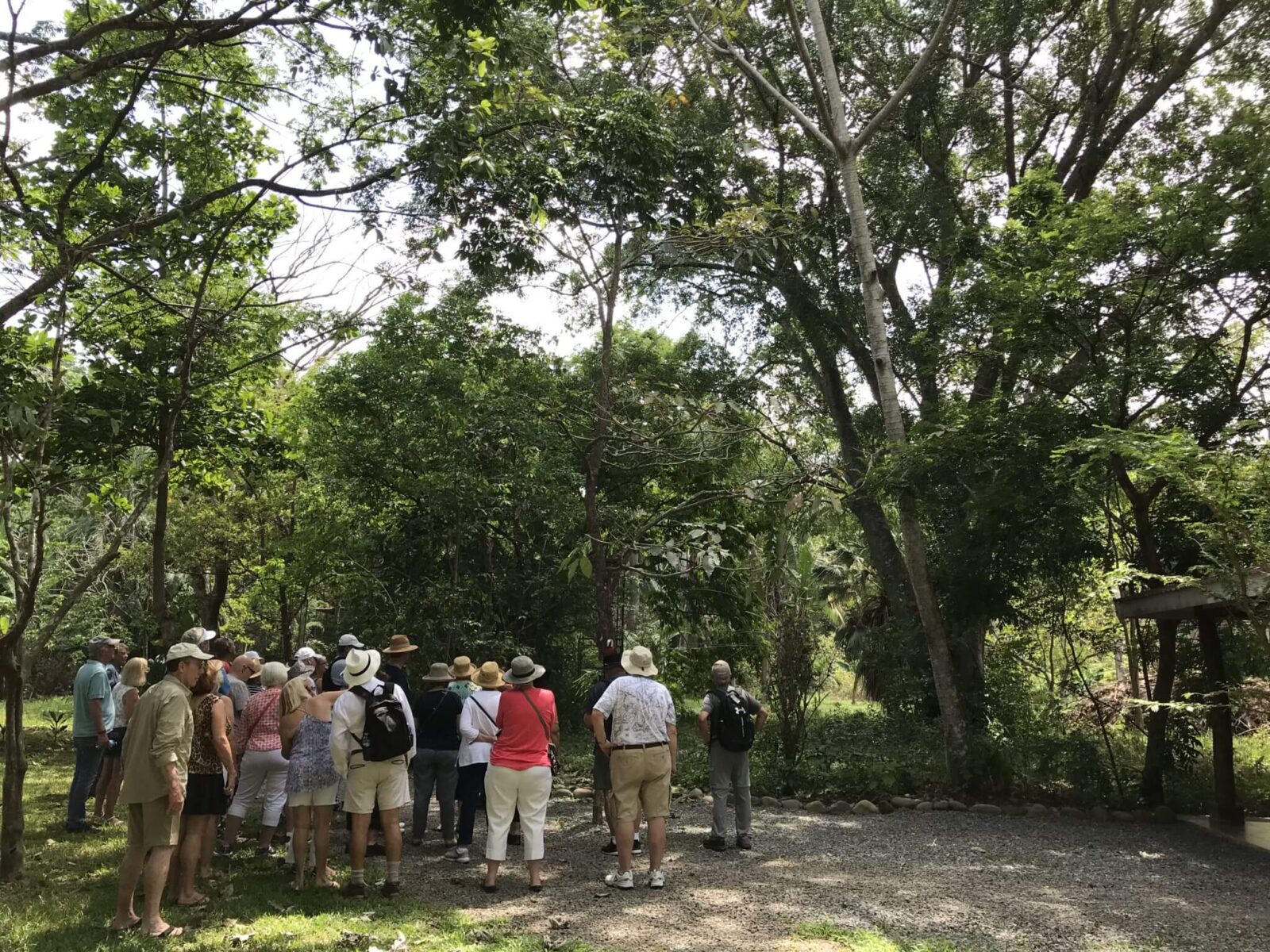
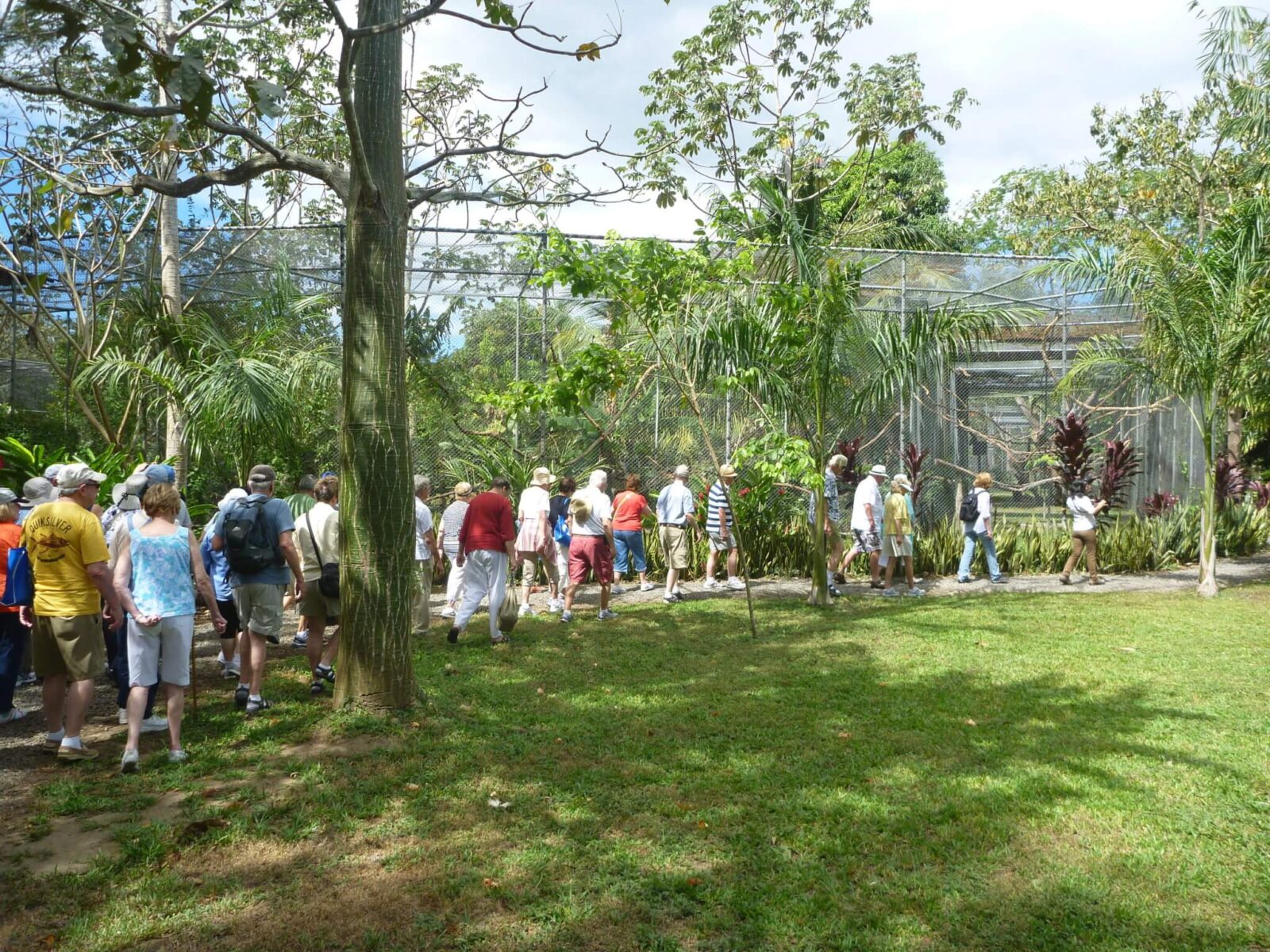
Visitors follow a wooded trail on an ecotourism visit at NATUWA, Costa Rica.

What ecotourism at NATUWA is like

Every stop along the trail tells a story. On guided visits, our team explains how wild animals behave, what they eat, how they live in their natural habitats, and why some need a refuge. You’ll also learn how the sanctuary cares for them and protects threatened species.

Nature trails for the whole family

In Aranjuez, the 1,350-meter trail takes about two hours and is designed for visitors of different ages. The cenízaros and guanacaste trees provide food and shelter for scarlet macaws, howler monkeys, sloths, and other species. The trail was laid out to allow ecological succession to continue.

Wildlife you may encounter

Learn the stories of jaguars, tapirs, monkeys, exotic macaws, scarlet macaws, great green macaws, and two-toed sloths. What you see depends on the sanctuary, the tour, and how active the animals are that day.

Meet the sanctuary’s animals

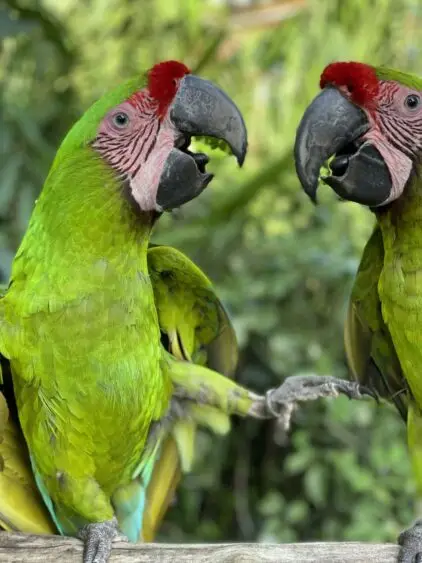
Two great green macaws perch together among the foliage at NATUWA.

Why wildlife matters

Wild animals help keep forests healthy, which in turn benefits human health. During the tour, you’ll learn how plants and animals depend on one another to survive and sustain biodiversity and the balance of the ecosystem. Our team will also explain what you can do to help conserve wildlife.

Explore environmental education at NATUWA · Learn about the ecological restoration program

A visit from the Aranjuez school

International Tapir Day brought together students and families from Aranjuez. They attended a talk and then learned how tapirs are cared for during a guided activity.

A talk about Costa Rican tapirs during a school visit to NATUWA Aranjuez.
A day of learning at NATUWA Aranjuez.

Read about International Tapir Day

03 · The care behind each tour

Your visit helps sustain wildlife rescue

Your visit supports the rescue, rehabilitation, and conservation of threatened species. It also helps pay for medicine, gauze, food, veterinary care, and the upkeep of animal enclosures.

Some animals are getting ready to return to the wild, while others need a permanent home. The tour takes you along the sanctuary’s visitor trails. The team cares for recovering animals in areas set aside for them.

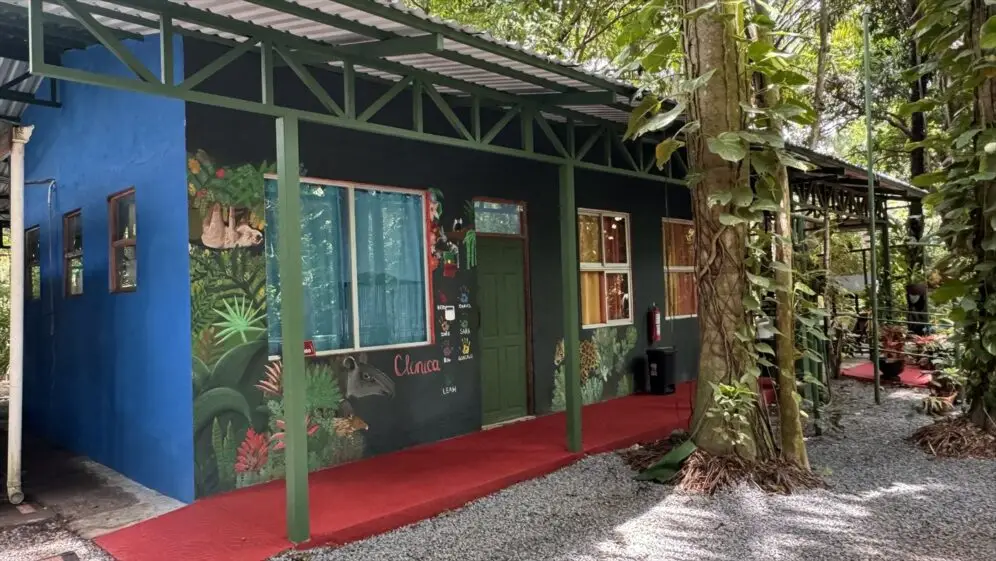
Entrance to the NATUWA Wildlife Rescue Center clinic in Aranjuez.
04 · Supporting the local economy

How responsible tourism supports the local economy

The animals receive care every day. To look after them, the sanctuary buys food and other supplies from local producers and businesses.

From the farm to the sanctuary

NATUWA buys eggs and vegetables from local producers to prepare the animals’ meals. In specific cases, the veterinary team includes goat’s milk in the diets of sloths in its care.

Local businesses

The local butcher supplies meat for the animals that need it, and local grocers supply the sanctuary. This is one way each visit also supports families in the area.

Free-ranging wildlife draws visitors who support rural tourism and families in Aranjuez. That support generates income, builds environmental awareness, and helps prevent wildlife offenses.

You can also support the sanctuary’s work by volunteering or making a donation.

05 · Plan your visit

Get ready for your ecotourism visit

NATUWA in the official Visit Costa Rica guide

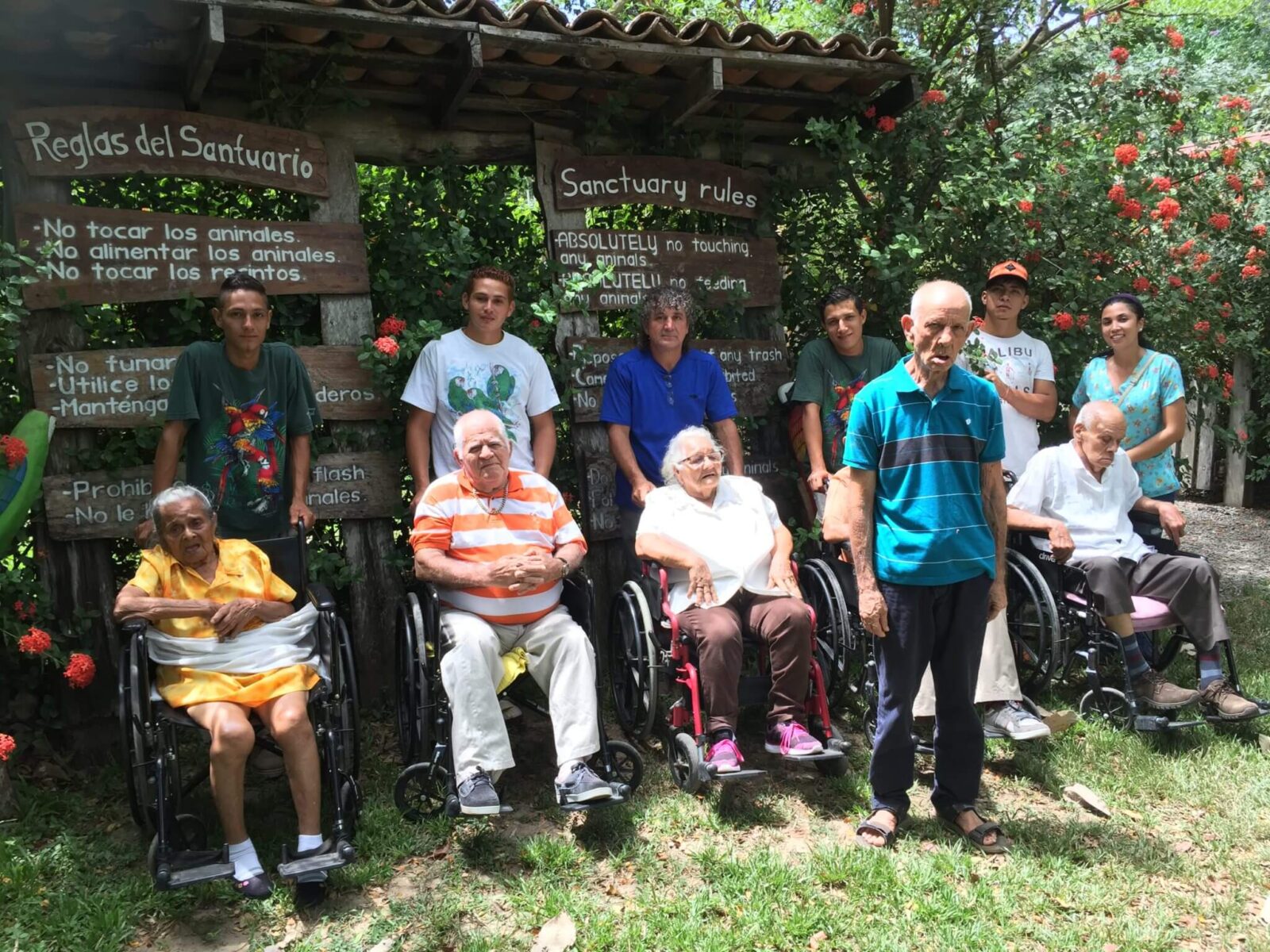
Sanctuary rules

Before you enter, the team explains the rules. They help reduce animal stress and give the animals space to move around, find shade, or rest.

  • Observe the animals without touching them, talking to them, or feeding them.
  • Stay on the trails.
  • Do not litter, and follow the team’s instructions.

What to bring

Bring insect repellent, sunscreen, a water bottle, lightweight and comfortable walking shoes, and long pants. If you have questions about the tour, contact your chosen sanctuary before booking.

Photo gallery of visits and activities

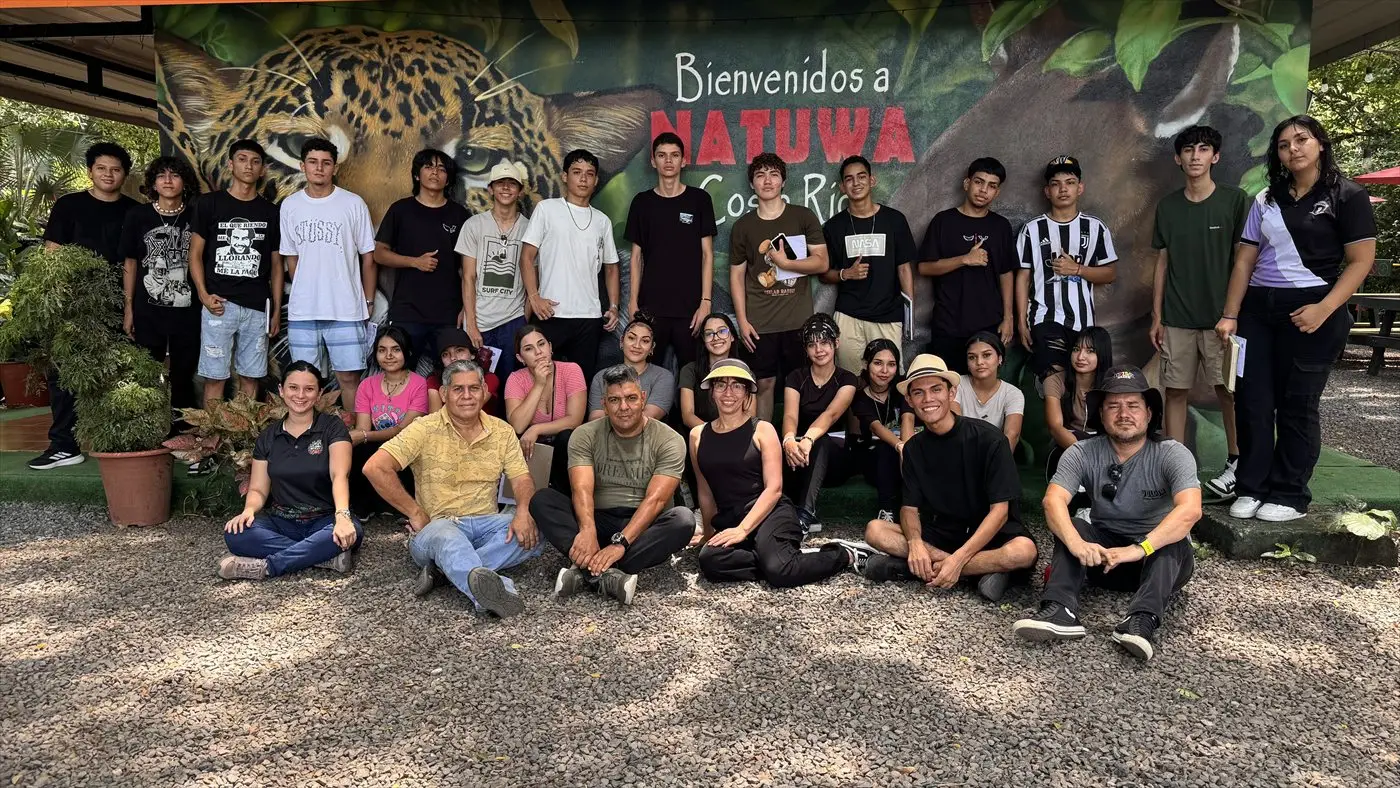
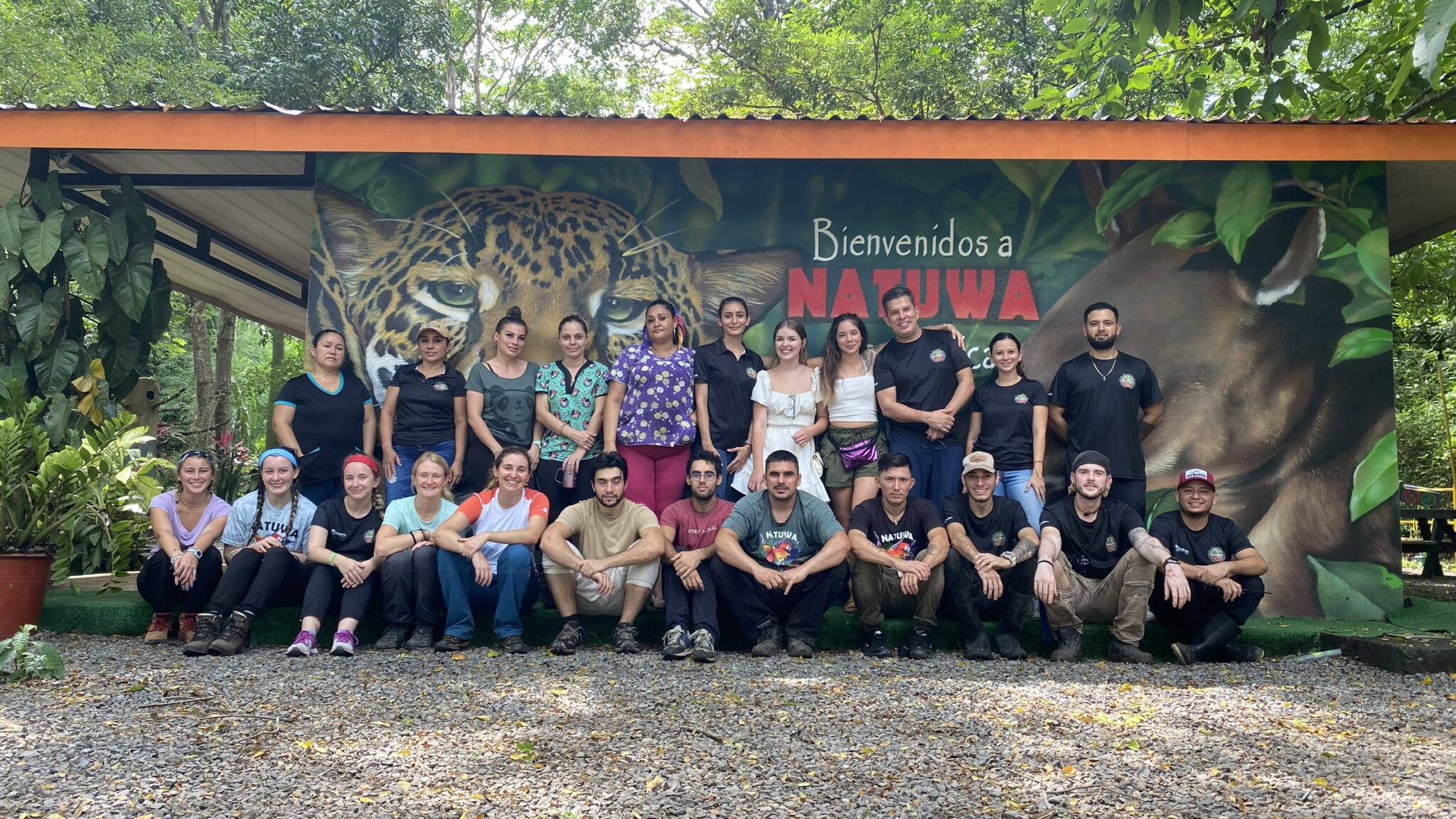
Visitors gather in front of the welcome mural at NATUWA Aranjuez.
A group of visitors in front of the welcome mural.
A group of visitors gathers on a wooded trail at NATUWA.
Visitors taking part in an ecotourism activity.
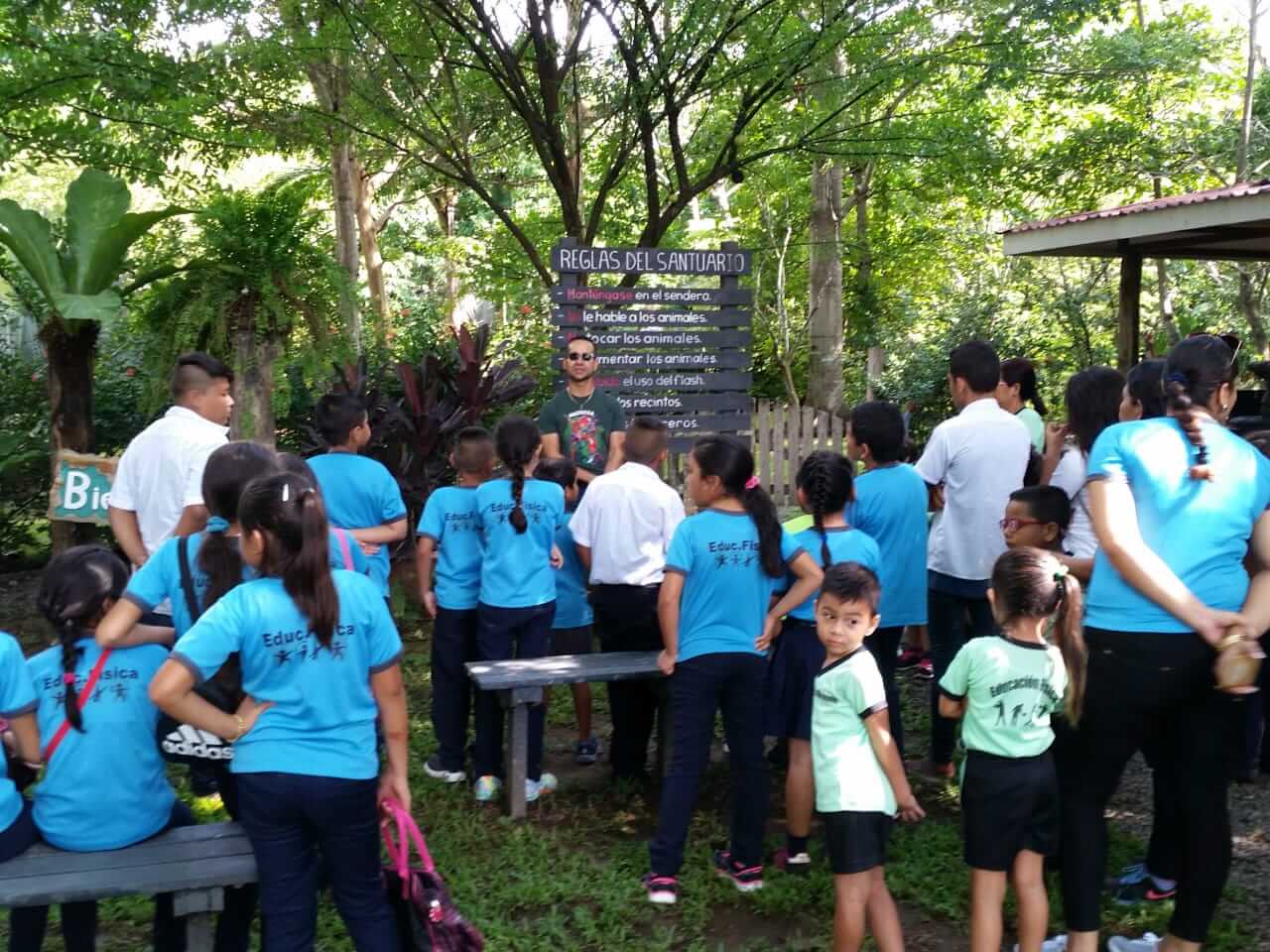
A group wearing blue shirts visits NATUWA.
A guided environmental education tour.
A group stands under the trees at NATUWA.
A visit along the sanctuary trails.
Visitors walk in single file across a green area surrounded by trees.
Visitors from Puntarenas cruise ships at the sanctuary.
Visitors walk along a trail lined with trees and palms.
Families from Costa Rica explore the sanctuary with our guides.
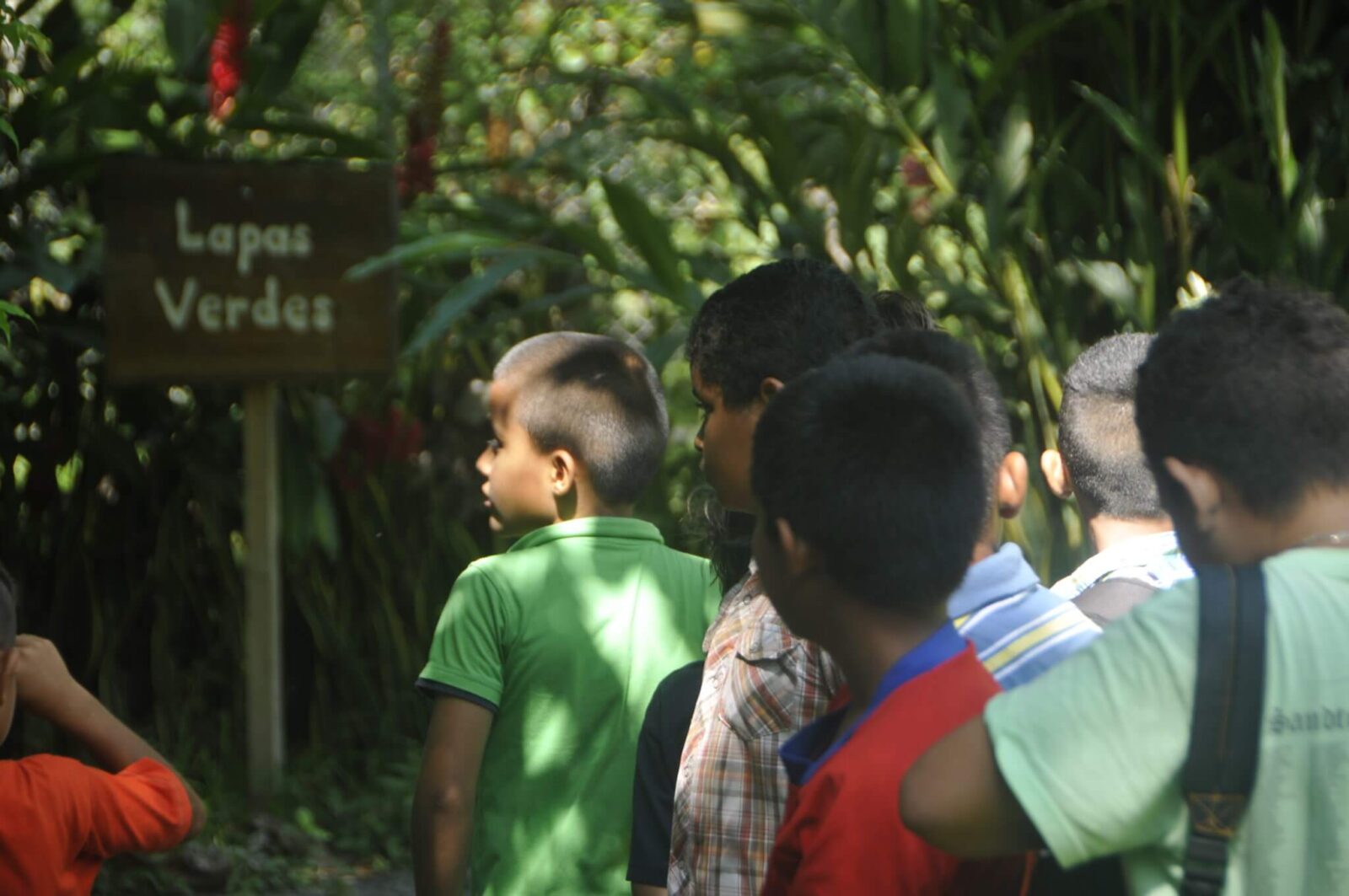
Schoolchildren watch great green macaws from the trail.
Schools in the Puntarenas district visit NATUWA to learn about the animals.
Older adults sit beside an observation area.
Groups of older adults visit NATUWA and enjoy the surroundings.
A group of older adults poses at the sanctuary.
A group of older adults visiting from Miramar, Puntarenas.
Visitors listen to a talk along a covered walkway.
A talk about jaguars with the NATUWA team.
A guide talks to schoolchildren outdoors.
A talk about Costa Rica’s biodiversity.
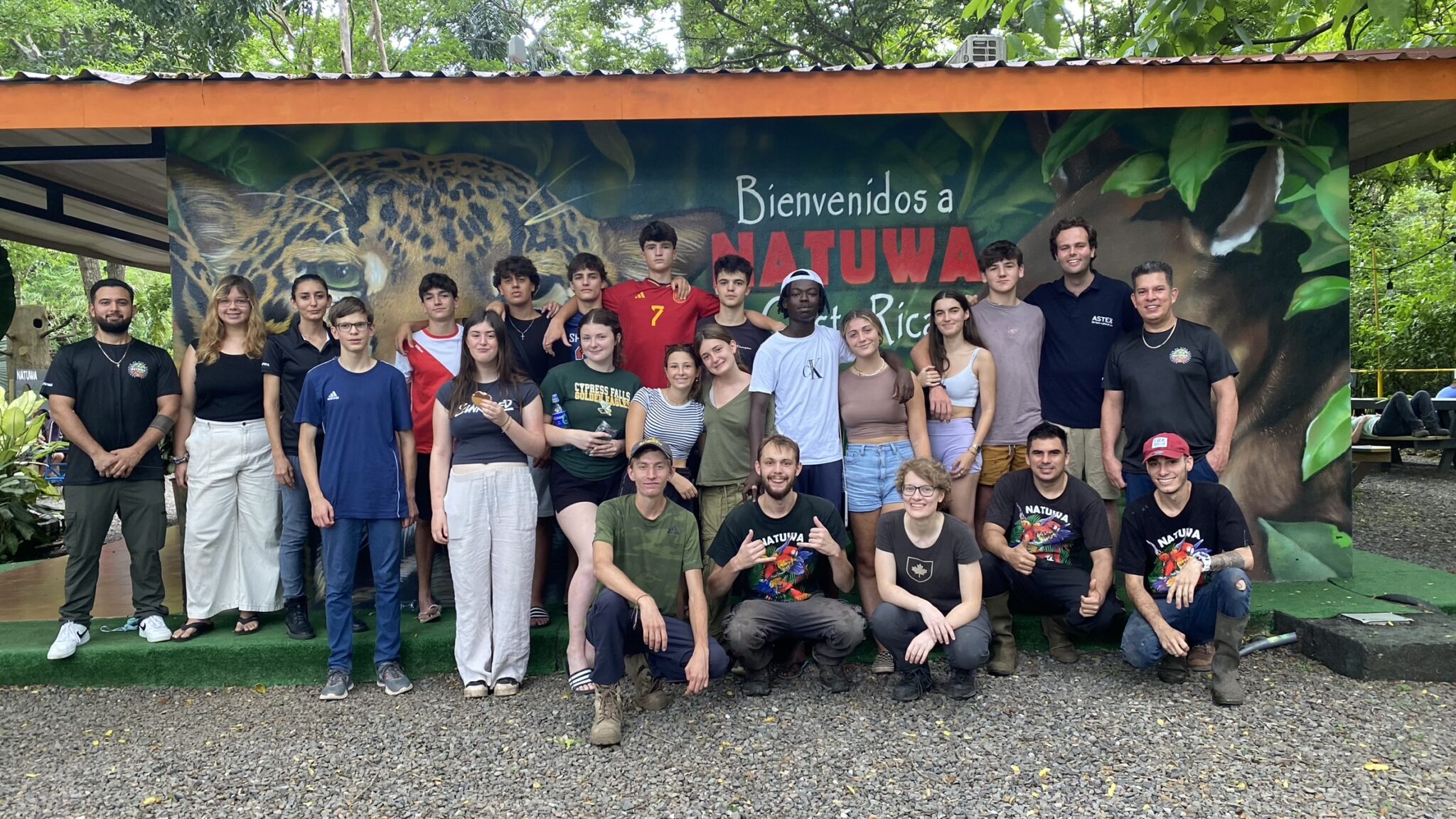
High school students gather in front of the sanctuary mural.
High school students visiting NATUWA.
A group of volunteers poses in front of the NATUWA mural.
A group of volunteers at the sanctuary.

Map of the NATUWA Aranjuez sanctuary trails

Illustrated map of the trails and grounds at NATUWA Aranjuez.
Trail map of NATUWA Aranjuez.
View the historical 2020 map
Historical map of NATUWA Aranjuez, dated 2020.
The 2020 map is provided as a historical reference.

Original texts by NATUWA Wildlife Sanctuary in Aranjuez, Puntarenas, Costa Rica. The Spanish version was published in 2017 and updated on June 29, 2024. The original English version listed September 1, 2023 as its update date.

NATUWA · A visit that supports conservation

Book your visit

Contact the team at your chosen sanctuary with your travel date, preferred tour, and group size. If you’re bringing children, include their ages so the team can help you plan. We look forward to welcoming you to discover and help protect Costa Rica’s wildlife.